How a common artisan during the Song dynasty revolutionized the world of printing
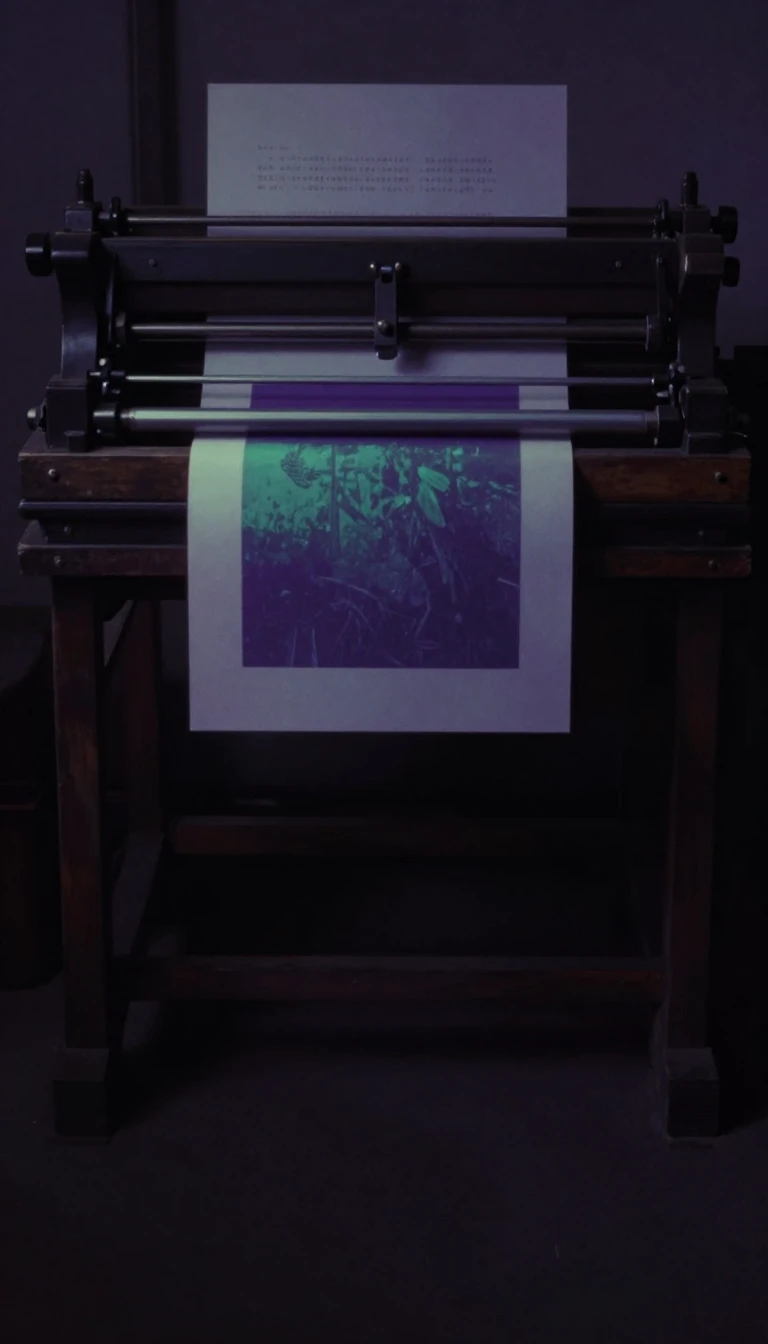
In short: Long before the printing press transformed Europe, a Chinese engineer named Bi Sheng pioneered movable type. Between 1039 and 1048, he developed a system using fired clay characters that allowed for rapid mass production. Though he remained an obscure figure in his time, his innovation fundamentally changed how information spread.
Bi Sheng was an artisan of humble origins who lived during the Song dynasty. His groundbreaking invention was documented by the polymath Shen Kuo in his Dream Pool Essays. Bi Sheng’s process involved carving individual characters into sticky clay, which were then hardened by fire. To assemble a page, he arranged these ceramic pieces onto an iron plate coated with a heat-sensitive adhesive made from resin, wax, and ash. By warming the plate, the adhesive softened, allowing him to press a flat board over the type to ensure a perfectly level surface for printing.
The efficiency of this method relied on a dual-forme system. While one set of type was actively printing, a second set was being prepared, enabling continuous, high-speed production. For common characters, Bi Sheng kept dozens of duplicates on hand, organizing his inventory in wooden cases sorted by rhyme. Although he experimented with wood, he ultimately preferred clay because wooden blocks tended to warp when exposed to ink and displayed distracting grain patterns. This ceramic technique was later utilized by others, including the Tangut kingdom, and remained a subject of historical interest for centuries.
Despite its ingenuity, movable type did not immediately render traditional woodblock printing obsolete. The high cost of manufacturing thousands of individual characters meant that for many printers, traditional methods remained more economical. Over time, the technology evolved; figures like Wang Zhen later refined the process using wood, and by 1490, printers like Hua Sui began experimenting with bronze. Today, Bi Sheng is celebrated as a pioneer of one of the Four Great Inventions, with his legacy honored by a lunar crater and a dedicated museum in Hubei province.
Opens the Intellect+ feed with this card first. Swipe up for the next one.
Sources
- Summary by Intellect · source: Bi Sheng
To cite this card, link to https://intellectplus.co.uk/app/technology-bi-sheng.
How we source, check and correct cards: Editorial standards.
General information, not professional advice. Spotted an error? Flag the card or see corrections and complaints.
Intellect Plus is a visual educational discovery platform for exploring fascinating facts and ideas. Brain Food, Not Brain Rot. What is Intellect Plus?
Related
More in Inventors · More in Technology · Latest · A–Z · All topics
