Before the printing press, graphic design was a labor of love and woodblocks
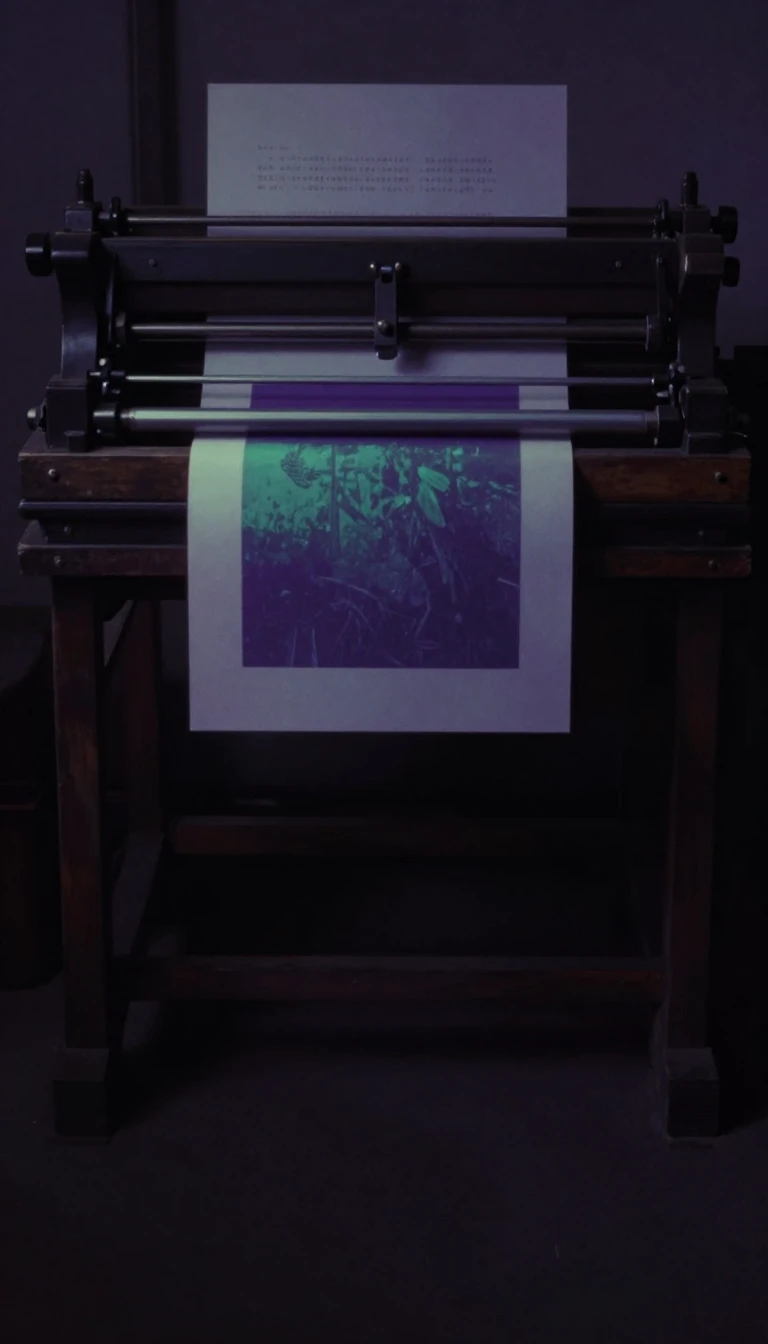
In short: Long before digital screens, graphic design flourished through ancient Chinese woodblock printing and the meticulous artistry of medieval scribes. While we often associate the craft with the 15th-century printing press, the true origins of visual communication lie in the early mastery of paper, ink, and the layout of sacred texts.
Graphic design’s history is often anchored to the 15th-century arrival of movable type in Europe, but its roots are far deeper. In China, woodblock printing—applying ink to carved surfaces—was established by the 6th century CE. By 105 CE, the development of paper from organic fibers provided a cost-effective alternative to expensive parchment or papyrus, enabling the mass production of religious texts and illustrations. By the 9th or 10th century, these scrolls evolved into paged books, and by 1041–48, Bi Sheng had invented a movable type system, though woodblocks remained dominant due to the complexity of calligraphic characters.
In Europe, the 1450 invention of movable metal type by Johannes Gutenberg transformed the industry. Early printers initially mimicked the appearance of handmade manuscripts, leaving spaces for illuminators to add decorative initials by hand. However, a distinct design vocabulary soon emerged. By 1476, the first complete title page appeared in Regiomontanus’s Calendarium, and by the late 15th century, the Renaissance sparked a revival of Classical learning. Printers like Aldus Manutius revolutionized the field by introducing pocket-sized books and the first italic typeface, designed by Francesco Griffo, which allowed for more text on a single page.
The 16th century saw France become a hub for typographic excellence, led by figures like Geoffroy Tory and Claude Garamond. Garamond’s role as an independent typefounder—someone who supplied fonts to various printers rather than casting his own—marked a significant shift in the trade. By the 18th century, the Rococo movement introduced complex, curvilinear aesthetics, while Pierre-Simon Fournier pioneered standardized measurements for type. These centuries of innovation established the foundational principles of layout, typography, and visual harmony that continue to define the practice of graphic design today.
Opens the Intellect+ feed with this card first. Swipe up for the next one.
Sources
- Summary by Intellect · source: Graphic design - Printing, Typography, Layout | Britannica
- Also: History of graphic design
To cite this card, link to https://intellectplus.co.uk/app/history-history-of-graphic-design.
How we source, check and correct cards: Editorial standards.
General information, not professional advice. Spotted an error? Flag the card or see corrections and complaints.
Intellect Plus is a visual educational discovery platform for exploring fascinating facts and ideas. Brain Food, Not Brain Rot. What is Intellect Plus?
Related
More in History by topic · More in History · Latest · A–Z · All topics
