How a French cheesemaker turned moldy rye bread into a culinary masterpiece
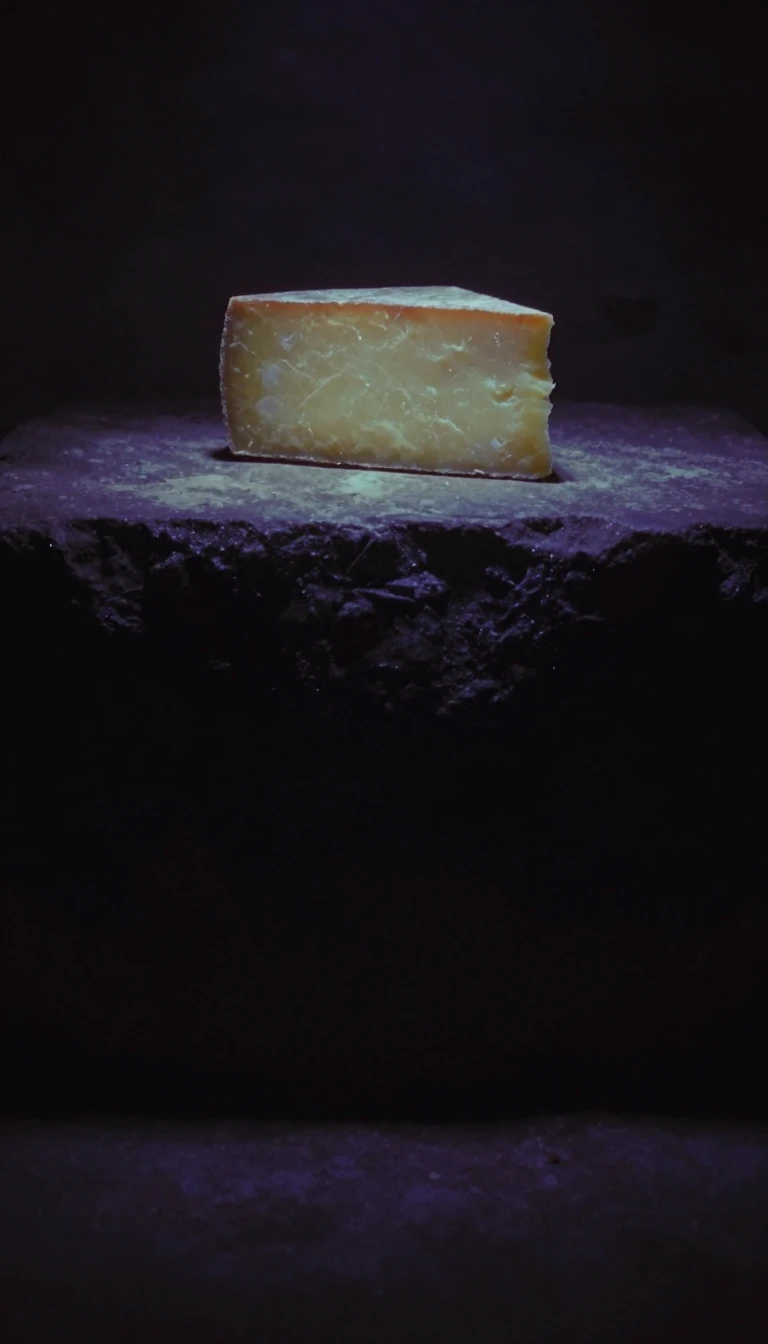
In short: In the mid-1850s, Antoine Roussel noticed that blue mold on his curd created a surprisingly pleasant flavor. By experimenting with rye bread mold and needle-induced aeration, he pioneered a technique that transformed regional cheesemaking. Today, this method defines the creamy, pungent profile of the famous Bleu d'Auvergne.
The story of Bleu d'Auvergne began in the mid-1850s when Antoine Roussel, a French cheesemaker, sought to replicate the blue veins he observed naturally occurring in his curd. His breakthrough came after several failed attempts when he discovered that introducing mold from rye bread could induce the desired veining. To ensure the mold flourished, Roussel realized the curd required oxygen, which he achieved by pricking the cheese with needles to create internal air pockets.
Modern production has evolved significantly from Roussel's original farm-based methods. As of 2018, only one farm-based producer remains, with the vast majority of output shifting to industrial dairies. These facilities typically use refrigerated cow's milk, which is often pasteurized. Because pasteurization strips away native microbiota, dairies must re-inoculate the milk with specific cultured microorganisms. The blue veining is achieved by adding Penicillium roqueforti or, in some cases, the milder Penicillium glaucum, before rennet is introduced to set the curd.
The mechanical precision of today's production ensures consistency that early cheesemakers could only dream of. Once the curd is cut, drained, and salted in two stages, the cheese undergoes mechanical needling to promote aeration. This process is essential for the mold to grow within the paste. The cheese is then aged in cool, humid cellars for at least four weeks. This relatively short maturation period, combined with the specific mold strains used, results in a texture that is notably creamier and more buttery than many other blue varieties, offering a pungent but balanced flavor profile.
Opens the Intellect+ feed with this card first. Swipe up for the next one.
Sources
- Summary by Intellect · source: Bleu d'Auvergne
To cite this card, link to https://intellectplus.co.uk/app/technology-bleu-d-auvergne.
How we source, check and correct cards: Editorial standards.
General information, not professional advice. Spotted an error? Flag the card or see corrections and complaints.
Intellect Plus is a visual educational discovery platform for exploring fascinating facts and ideas. Brain Food, Not Brain Rot. What is Intellect Plus?
Related
More in Inventions · More in Technology · Latest · A–Z · All topics
