Why the most powerful boilers in the world do not actually boil any water
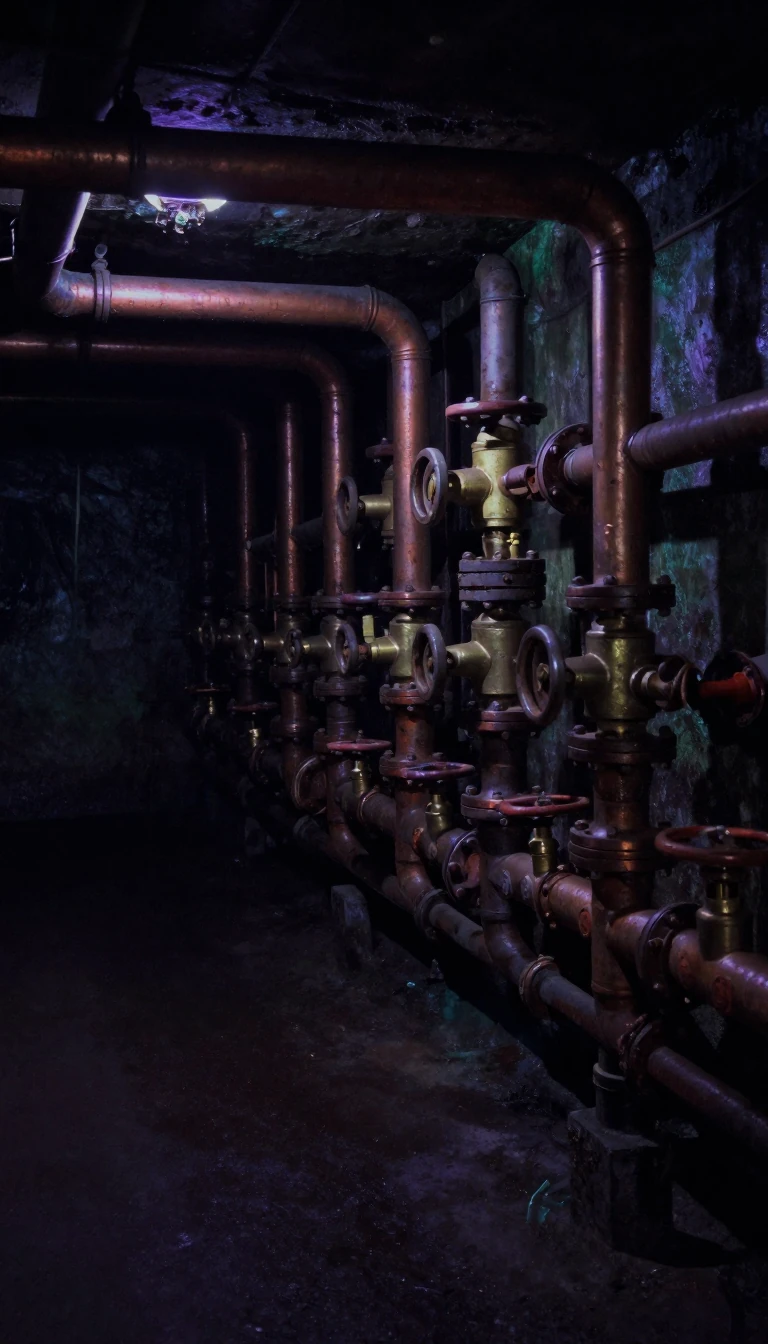
In short: A boiler is a vessel designed to heat fluid, but the most advanced versions operate at such extreme pressures that the physical act of boiling ceases to exist. These supercritical generators turn water into a unique fluid state, pushing efficiency to new heights while challenging our basic understanding of steam.
At its core, a boiler is a closed vessel that heats fluid—usually water—for applications ranging from simple heating to heavy industrial power generation. While we often associate them with the bubbling action of a kettle, the physics changes dramatically under pressure. In a standard subcritical boiler, water is heated until it turns into steam. However, supercritical steam generators operate at pressures exceeding 3,200 psi (22 MPa). At this threshold, the fluid enters a supercritical state where the distinction between liquid and gas vanishes. There is no boiling, no bubble formation, and no phase transition within the device itself, making the term 'boiler' technically a misnomer for these high-tech systems.
The evolution of boiler materials reflects a long history of engineering trial and error. During the Victorian era, wrought iron was the gold standard, favored for its durability and resistance to corrosion. By the 20th century, the industry shifted toward welded steel, which offered faster, cheaper construction, though it proved more susceptible to pitting and stress-corrosion. Today, safety is paramount. Because water expands to over 1,000 times its volume when converted to steam, a failure can be catastrophic. Modern systems rely on rigorous standards, such as the ASME Boiler and Pressure Vessel Code, and safety mechanisms like the Hartford Loop—invented in 1919—to prevent boilers from running dry and exploding.
Efficiency and safety remain the primary drivers of innovation. Engineers must balance the need for high-energy output with the dangers of superheated steam, which can be lethal if it escapes. In World War II, U.S. Navy destroyers operated at 600 psi and 850 degrees Fahrenheit, requiring robust, welded piping to contain the immense energy. Today, whether using coal, natural gas, or nuclear fission, the goal is to maximize heat transfer while minimizing the risks of scale formation and mechanical failure. By carefully managing feedwater chemistry and utilizing advanced blowdown valves to remove dissolved salts, operators ensure these massive systems continue to power our world without tearing it apart.
Opens the Intellect+ feed with this card first. Swipe up for the next one.
Sources
- Summary by Intellect · source: Boiler
To cite this card, link to https://intellectplus.co.uk/app/technology-boiler.
How we source, check and correct cards: Editorial standards.
General information, not professional advice. Spotted an error? Flag the card or see corrections and complaints.
Intellect Plus is a visual educational discovery platform for exploring fascinating facts and ideas. Brain Food, Not Brain Rot. What is Intellect Plus?
Related
More in Energy · More in Technology · Latest · A–Z · All topics
