The dark history of the stones that hold our buildings up
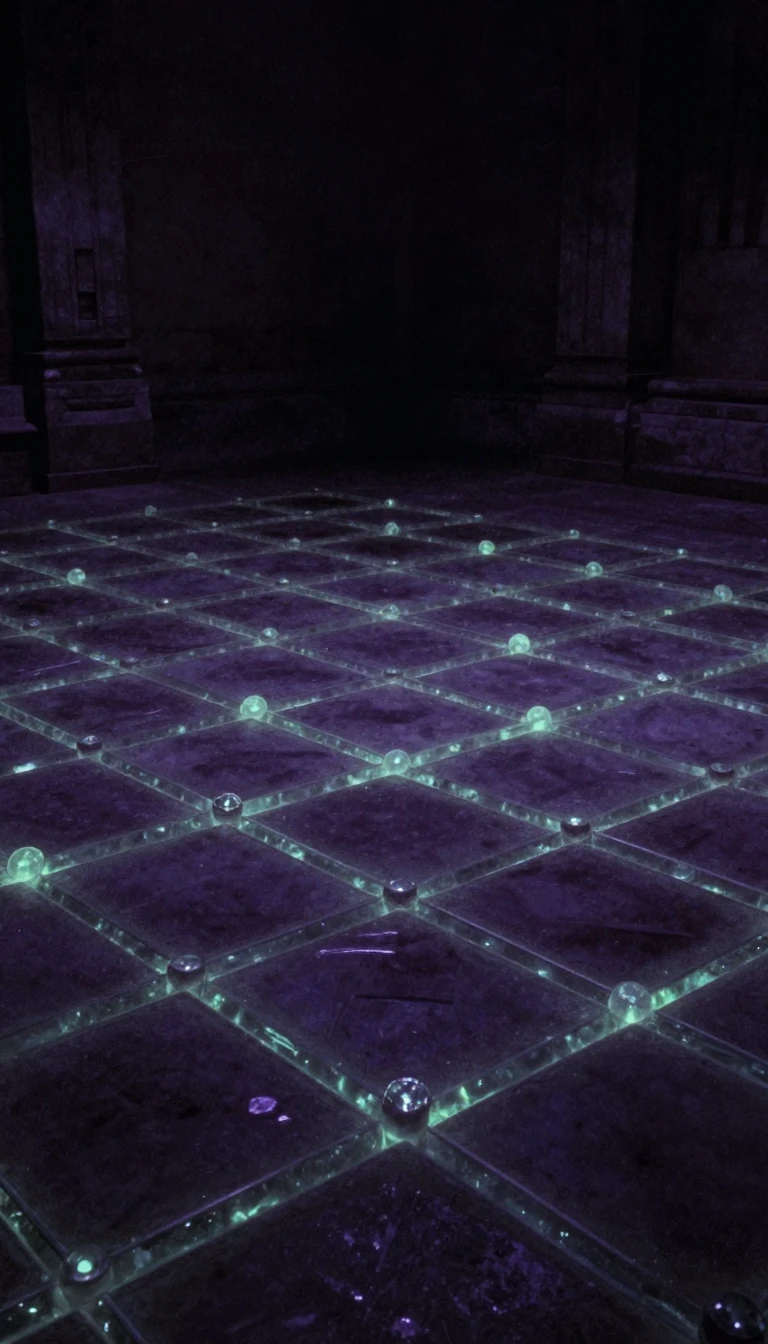
In short: Modern cornerstone ceremonies are polite affairs of VIPs and time capsules. But beneath the surface of these architectural anchors lies a history of human sacrifice, shadow-trading, and the literal burial of life to ensure a structure's permanence.
A cornerstone is the first masonry stone set in a foundation, serving as the primary reference point for the position of an entire structure. While today it is often a ceremonial replica featuring inscriptions of architects and construction dates, its origins are rooted in much darker propitiatory practices. Ancient traditions sometimes involved making animal or human sacrifices laid into the foundations to provide 'strength and stability' to the building.
Historical accounts from the 19th century, such as those by Frazer, describe rituals where builders would kill a cock, ram, or lamb and let the blood flow over the stone. In some regions, these practices evolved into 'shadow-trading.' Builders would secretly measure a person's shadow or body parts and bury the measurement under the stone, believing the person would die within forty days. This served as a figurative replacement for the previous, more direct method of trapping a human inside masonry or flattening them beneath a base rock to prevent 'angry ghosts' from appearing.
In East Asia, Japanese legends speak of 'Hitobashira' (human pillars), where maidens were buried alive at the base of constructions as a prayer against disasters. These practices eventually transitioned into the symbolic offerings seen in later eras, such as the pouring of grain, wine, and oil. Today, these rituals persist in various forms: Freemasons may perform public ceremonies using golden squares and levels, while Catholic and Orthodox traditions involve bishops blessing the stone with holy water and consecrating it with prayers to ensure the 'soundness of body' for the workers.
The cornerstone remains a potent metaphor for unity and stability. In Freemasonry, an initiate is figuratively placed in the north-east corner of a lodge as a foundation stone, symbolizing the union of darkness and light. In Christian theology, the cornerstone is a symbol of Christ, described by the Apostle Paul as the 'head of the corner' that keeps two walls together to prevent a building from falling apart.
Opens the Intellect+ feed with this card first. Swipe up for the next one.
Sources
- Summary by Intellect · source: Cornerstone
To cite this card, link to https://intellectplus.co.uk/app/technology-cornerstone.
How we source, check and correct cards: Editorial standards.
General information, not professional advice. Spotted an error? Flag the card or see corrections and complaints.
Intellect Plus is a visual educational discovery platform for exploring fascinating facts and ideas. Brain Food, Not Brain Rot. What is Intellect Plus?
Related
More in Technology: General · More in Technology · Latest · A–Z · All topics
