The humble stone slab is humanity's oldest multi-tool for survival and ritual.
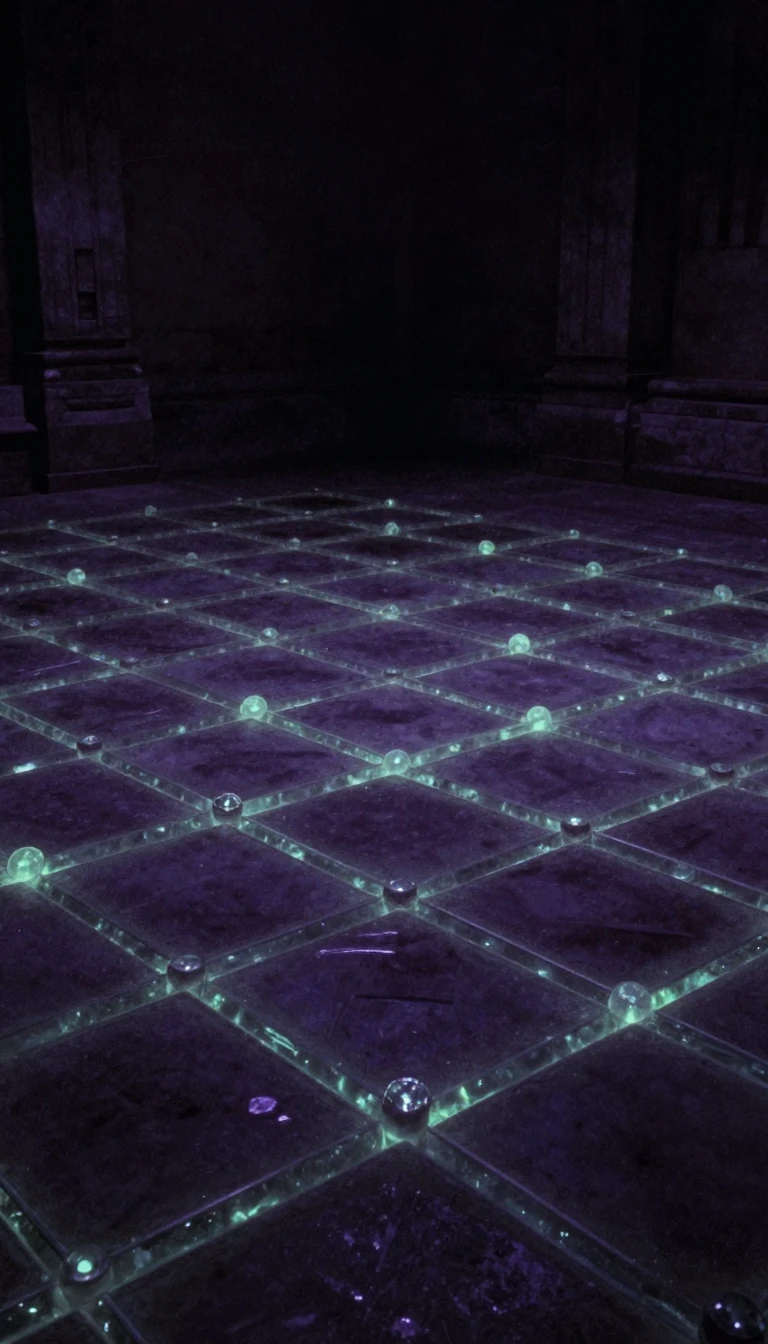
In short: From prehistoric traps and riverbank laundry stations to the tomb of a king, the stone slab has served as a foundational technology. Whether used for cooking, construction, or marking the final resting place of the departed, this simple, flat rock remains one of our most enduring architectural and domestic implements.
At its most basic, a stone slab is a thin, flat, often rectangular piece of rock. While modern eyes might see only paving or wall cladding, history reveals a far more versatile object. In prehistoric times, slabs were essential for structural engineering, forming the burial chambers and corridors of dolmens. Their utility extended into the domestic sphere, where they served as the base for fireplaces and, crucially, as the primary surface for manual laundry. Before the advent of modern plumbing, washing clothes required scrubbing fabric against a natural stone slab, using its inherent irregularities to create the friction necessary to dislodge dirt.
The slab’s role in human survival is perhaps best illustrated by the slab-trap. This hunting device relied on a delicate balance, where a heavy stone was propped up by twigs at a precise trigger point. When an animal approached the bait, the slab would collapse, trapping or crushing the prey. Beyond utility, the slab also became a canvas for cultural memory. As tombstones, they evolved from natural, uncarved markers into polished, inscribed monuments. The tomb of King Pere el Gran of Aragon features a slab weighing 900 kg, showcasing how these stones were used to project status and legacy through epitaphs and religious inscriptions.
Today, the legacy of the slab persists in both high-end gastronomy and modern fashion. Cooking 'to the slab'—a method popularized by Pyrenees shepherds—involves heating a stone over a fire to sear meat and vegetables, a technique now found in professional kitchens. Similarly, the 'stone washing' of denim mimics the historical process of rubbing fabric against coarse surfaces to achieve a worn aesthetic. Even in music, the slab’s evolution is visible; the corrugated steel washboards used in jazz and blues bands are direct descendants of the primitive stone laundry slabs used for centuries.
Opens the Intellect+ feed with this card first. Swipe up for the next one.
Sources
- Summary by Intellect · source: Stone slab
To cite this card, link to https://intellectplus.co.uk/app/technology-stone-slab.
How we source, check and correct cards: Editorial standards.
General information, not professional advice. Spotted an error? Flag the card or see corrections and complaints.
Intellect Plus is a visual educational discovery platform for exploring fascinating facts and ideas. Brain Food, Not Brain Rot. What is Intellect Plus?
Related
More in Infrastructure · More in Technology · Latest · A–Z · All topics
