How Microsoft’s Graphics API Evolved from Awkward Beginnings to Industry Standard
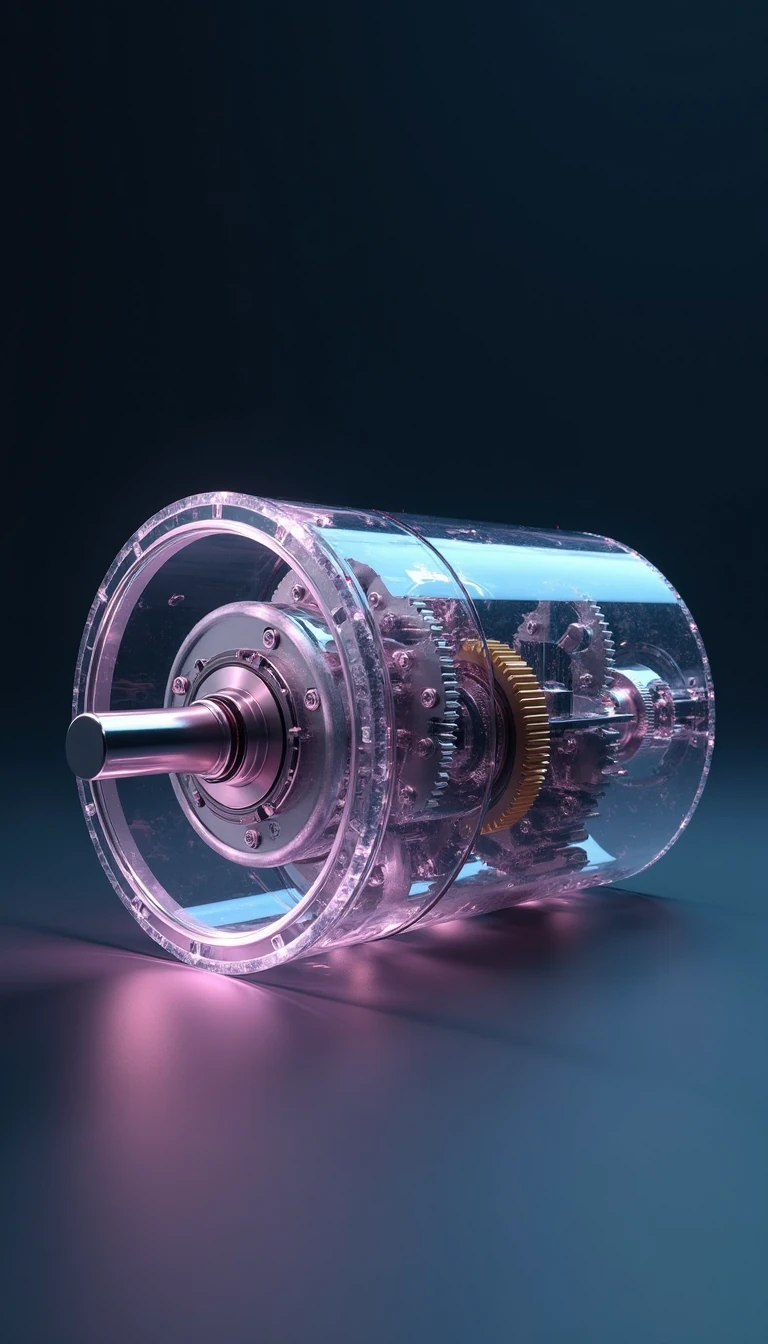
In short: Direct3D began as a clunky, misunderstood experiment that developers once begged Microsoft to abandon in favor of OpenGL. Today, it is the backbone of Windows gaming, having survived early failures to become a sophisticated engine that powers everything from complex 3D rendering to modern raytracing on the latest hardware.
Direct3D traces its origins to a 1995 acquisition of RenderMorphics, a company that developed a 3D API called Reality Lab. Microsoft initially struggled to gain traction with the API, as its early 'immediate mode' relied on 'execute buffers' that were notoriously difficult to program. This complexity led many developers to prefer OpenGL, prompting Microsoft to overhaul the system. By 1997, the introduction of the DrawPrimitive API finally aligned Direct3D with more intuitive rendering standards.
The API underwent a massive shift with the release of DirectX 8.0 in 2000, which introduced programmable vertex and pixel shaders. This marked a departure from the rigid, fixed-function architectures of the past, allowing developers to write custom code that the display driver compiled for specific hardware. This flexibility paved the way for more advanced features, such as the geometry shader stage introduced in Direct3D 10, which allowed graphics hardware to generate complex geometry independently.
A significant turning point occurred with Direct3D 10, which abandoned the use of 'capability bits'—a system that previously forced developers to write complex code to check for specific hardware features. Instead, Microsoft established a mandatory minimum standard for compatibility, streamlining development. While early versions faced criticism for poor usability and limited adoption, constant iteration—from the introduction of hardware transformation and lighting in version 7.0 to modern raytracing in 12.1—has cemented Direct3D as a cornerstone of interactive media.
Today, Direct3D remains a critical component of the Windows ecosystem, even supporting legacy needs through specialized tools like the Reference Rasterizer for debugging or the WARP software rasterizer for systems lacking dedicated hardware. By continuously integrating new technologies like tessellation and tiled resources, Microsoft has successfully transformed a once-dismissed project into the primary interface for high-performance 3D graphics on PC and Xbox.
Opens the Intellect+ feed with this card first. Swipe up for the next one.
Sources
- Summary by Intellect · source: Direct3D
To cite this card, link to https://intellectplus.co.uk/app/technology-direct3d.
How we source, check and correct cards: Editorial standards.
General information, not professional advice. Spotted an error? Flag the card or see corrections and complaints.
Intellect Plus is a visual educational discovery platform for exploring fascinating facts and ideas. Brain Food, Not Brain Rot. What is Intellect Plus?
Related
More in Computing and information technology · More in Technology · Latest · A–Z · All topics
