Your refrigerator could help stabilize the national power grid without you noticing a thing.
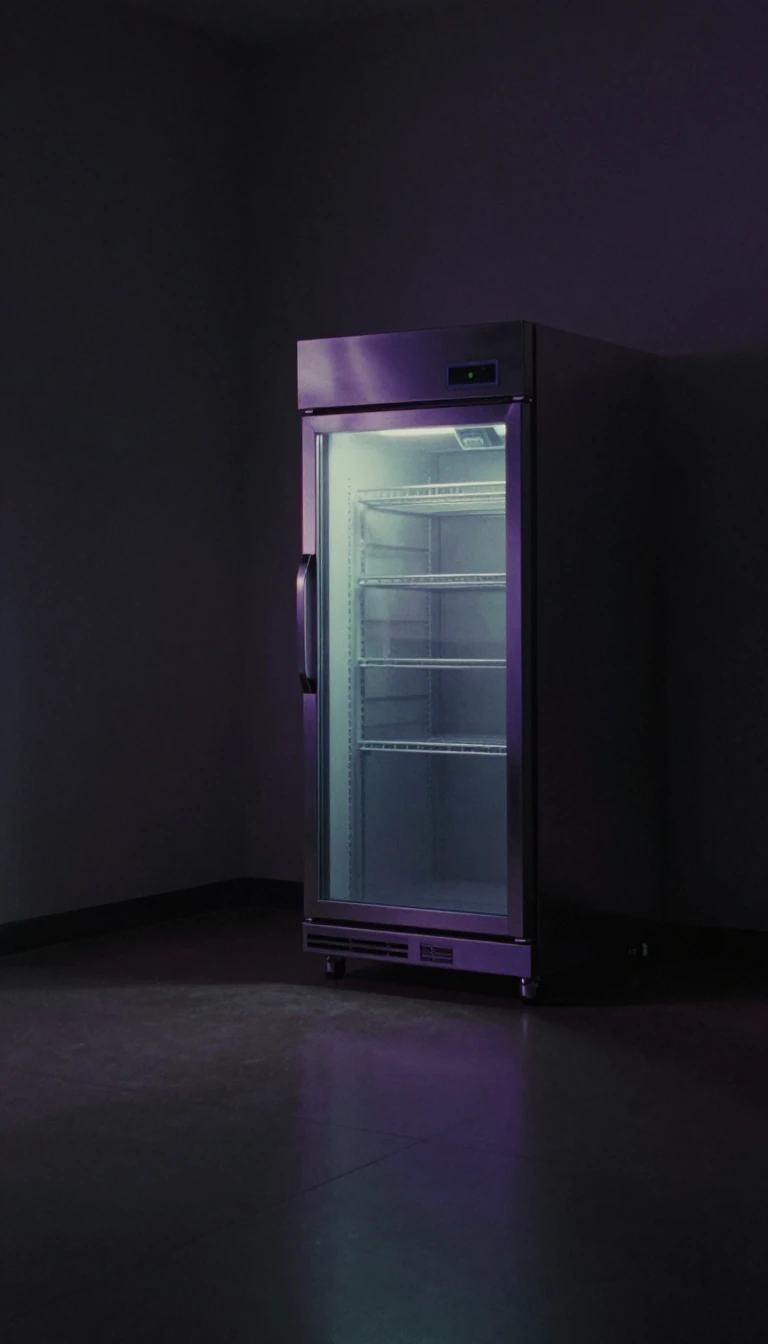
In short: Electrical grids rely on a delicate balance between supply and demand. When they drift, utilities burn expensive fossil fuels to compensate. Dynamic demand technology turns everyday appliances like refrigerators and water heaters into a massive, invisible battery that automatically adjusts to grid frequency, saving money and reducing carbon emissions.
The electrical grid operates on a precise frequency that acts as a system-wide indicator of balance. When demand exceeds supply, generators slow down and the frequency drops. Traditionally, utilities manage this by maintaining a spinning reserve—extra power plants running at partial capacity, ready to ramp up instantly. This is costly and environmentally taxing, often relying on fossil fuels that emit between roughly half a tonne and over one tonne of carbon dioxide equivalent for every megawatt hour produced.
Dynamic demand offers a passive alternative. By monitoring grid frequency directly from a standard power outlet, smart controllers in appliances can detect imbalances in real time. If the frequency dips, these devices momentarily switch off or delay their duty cycles. If the frequency rises, they switch on to absorb the excess. Because these adjustments last only seconds, they are imperceptible to the user. Millions of such devices acting in concert function like a vast, fast-reacting virtual power plant.
This technology could be transformative for integrating variable energy sources like wind power, which often struggle with predictability. While the concept dates back to a 1982 patent by Fred Schweppe, implementation has been gradual. In 2011, RLtec launched a frequency response service for a major UK supermarket chain, and some domestic refrigerators in the UK have included load control systems since 2009. Widespread adoption, however, remains dependent on new regulations or market mechanisms that reward consumers for installing these smart devices.
Beyond balancing, these controllers could aid in blackstart recovery after outages by preventing the simultaneous surge of reactive loads that often trips breakers. As the UK and France already utilize industrial-scale load shedding, the potential to scale this to domestic appliances is significant. By shifting the burden of grid stability from centralized fossil fuel plants to distributed, intelligent hardware, dynamic demand provides a path toward a more resilient and efficient energy future.
Opens the Intellect+ feed with this card first. Swipe up for the next one.
Sources
- Summary by Intellect · source: Dynamic demand (electric power)
To cite this card, link to https://intellectplus.co.uk/app/technology-dynamic-demand-electric-power.
How we source, check and correct cards: Editorial standards.
General information, not professional advice. Spotted an error? Flag the card or see corrections and complaints.
Intellect Plus is a visual educational discovery platform for exploring fascinating facts and ideas. Brain Food, Not Brain Rot. What is Intellect Plus?
Related
More in Energy · More in Technology · Latest · A–Z · All topics
