Why the future of electricity is moving from massive power plants to your backyard
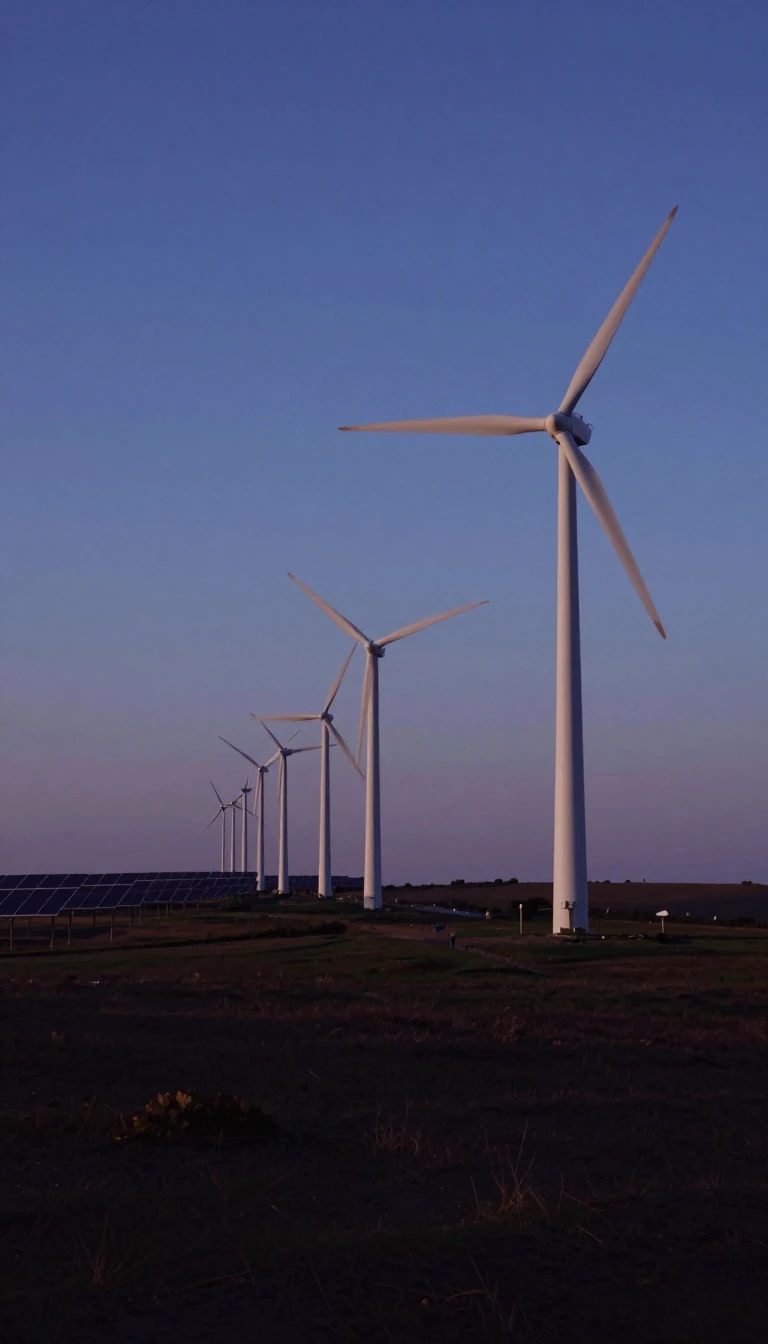
In short: For a century, we relied on distant, massive power plants to push electricity across vast networks. Today, that model is shifting. By generating power at or near the point of use, distributed generation is transforming how we secure, manage, and deliver energy, turning homes and businesses into modern power hubs.
Distributed generation refers to technologies that produce electricity directly at or near the location where it is consumed. Unlike traditional centralized power plants—which are often built far from cities to manage pollution or access specific resources like coal or water—distributed energy resources (DER) are modular and decentralized. These systems, which include solar panels, small wind turbines, and fuel cells, serve individual buildings or local microgrids, effectively bypassing the inefficiencies of long-distance transmission.
The shift toward decentralization is driven by a decline in the traditional economies of scale that once favored massive plants. By the start of the 21st century, the aging transmission and distribution grid became a primary source of power failures and costs. Smaller, mass-produced units now offer greater flexibility and reliability. Furthermore, distributed generation reduces 'line loss'—the energy wasted during transport—and allows grid operators to maintain stability by tapping into onsite resources during peak demand or emergencies.
While these systems offer clear benefits for energy security and resilience, they are not without trade-offs. Technologies involving combustion, such as biomass or waste incineration, can introduce air pollution into populated areas. Additionally, the intermittent nature of sources like solar and wind complicates grid management, requiring sophisticated optimization to balance supply and demand. Because many indirect benefits of distributed generation are not captured by traditional utility accounting, the true value of these systems is often best understood through a comprehensive life-cycle analysis rather than simple upfront cost comparisons.
Opens the Intellect+ feed with this card first. Swipe up for the next one.
Sources
- Summary by Intellect · source: Distributed Generation of Electricity and its Environmental Impacts | US EPA
- Also: Distributed generation
To cite this card, link to https://intellectplus.co.uk/app/technology-distributed-generation.
How we source, check and correct cards: Editorial standards.
General information, not professional advice. Spotted an error? Flag the card or see corrections and complaints.
Intellect Plus is a visual educational discovery platform for exploring fascinating facts and ideas. Brain Food, Not Brain Rot. What is Intellect Plus?
Related
More in Energy · More in Technology · Latest · A–Z · All topics
