What distinguishes an electronic circuit from a simple electrical one?
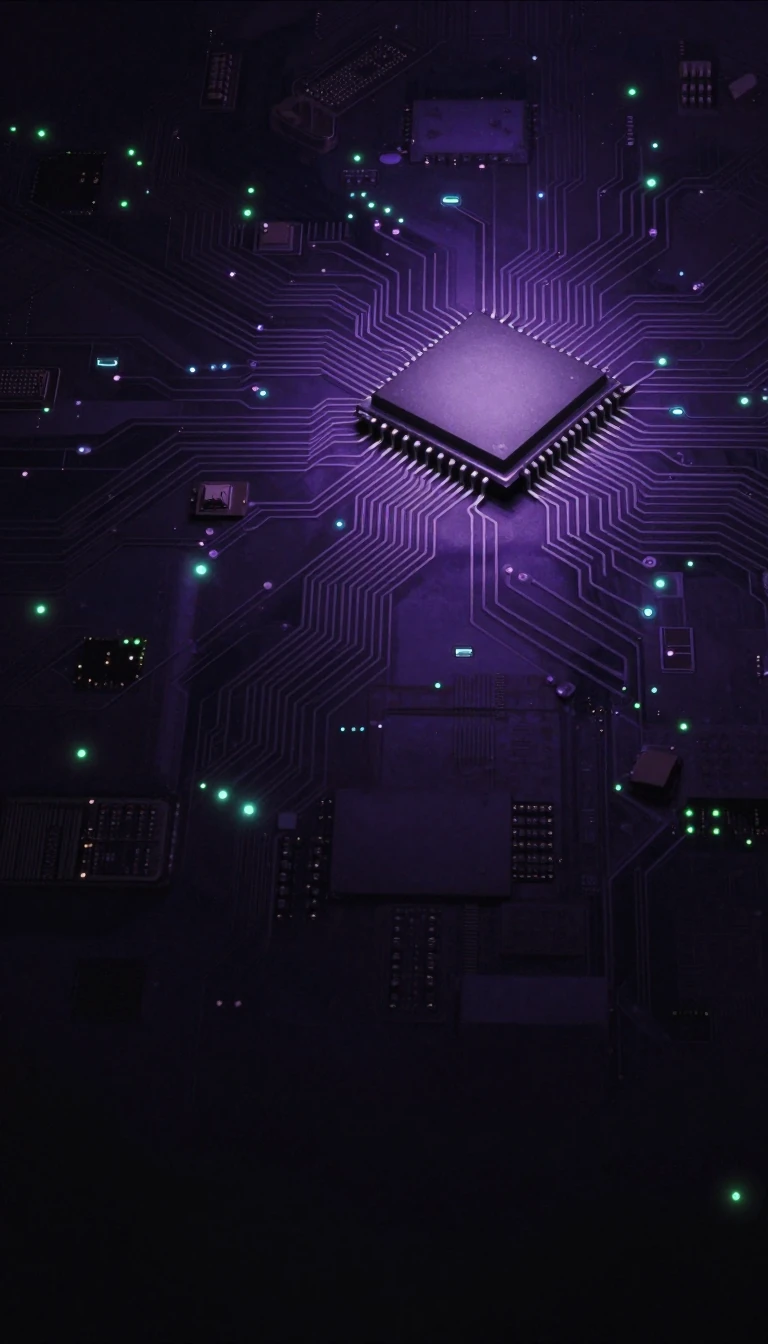
In short: An electronic circuit is more than just a path for current; it is a system capable of computation, signal amplification, and data movement. By incorporating active components like transistors, these circuits transform raw electricity into the complex logic that powers our modern world, from simple calculators to sophisticated microprocessors.
At its core, an electronic circuit relies on active components to manipulate electric current. While electrical circuits might simply move power, electronic ones perform operations. These circuits are typically categorized into three types: analog, which process signals that vary continuously over time; digital, which use discrete voltage levels to represent binary data; and mixed-signal, which bridge the two domains. The MOSFET stands as the most prevalent semiconductor device within these architectures.
Analog design is governed by Kirchhoff's circuit laws, treating wires as ideal connections and components as symbols in a schematic. Designers must carefully manage factors like distortion and gain. In contrast, digital design relies on logic gates—built from interconnected transistors—to perform Boolean operations. Because these gates regenerate signals, designers avoid many analog constraints, allowing for the integration of billions of elements onto a single silicon chip. This scalability is why digital circuits are ubiquitous in modern computing.
As frequencies climb above a gigahertz, the physical behavior of circuits changes. Designers must shift from lumped-element models to distributed-element models, treating wires as transmission lines where signal reflections become critical. Meanwhile, mixed-signal circuits serve as the essential interface for the real world, such as in radio receivers where analog signals are amplified before being converted into digital data for processing. Whether through printed circuit boards or integrated circuits on silicon, these systems define the limits of modern performance.
The evolution of these circuits has led to specialized hardware like ASICs for custom logic and FPGAs for flexible prototyping. Despite their power, digital circuits face physical boundaries, including power dissipation, leakage currents, and time delays. As we push for higher density and speed, these non-ideal switching characteristics become the primary hurdles for future electronic development.
Opens the Intellect+ feed with this card first. Swipe up for the next one.
Sources
- Summary by Intellect · source: Electronic circuit
To cite this card, link to https://intellectplus.co.uk/app/technology-electronic-circuit.
How we source, check and correct cards: Editorial standards.
General information, not professional advice. Spotted an error? Flag the card or see corrections and complaints.
Intellect Plus is a visual educational discovery platform for exploring fascinating facts and ideas. Brain Food, Not Brain Rot. What is Intellect Plus?
Related
More in Electronics · More in Technology · Latest · A–Z · All topics
