Is the global transition to renewable energy actually keeping pace with our massive demand?
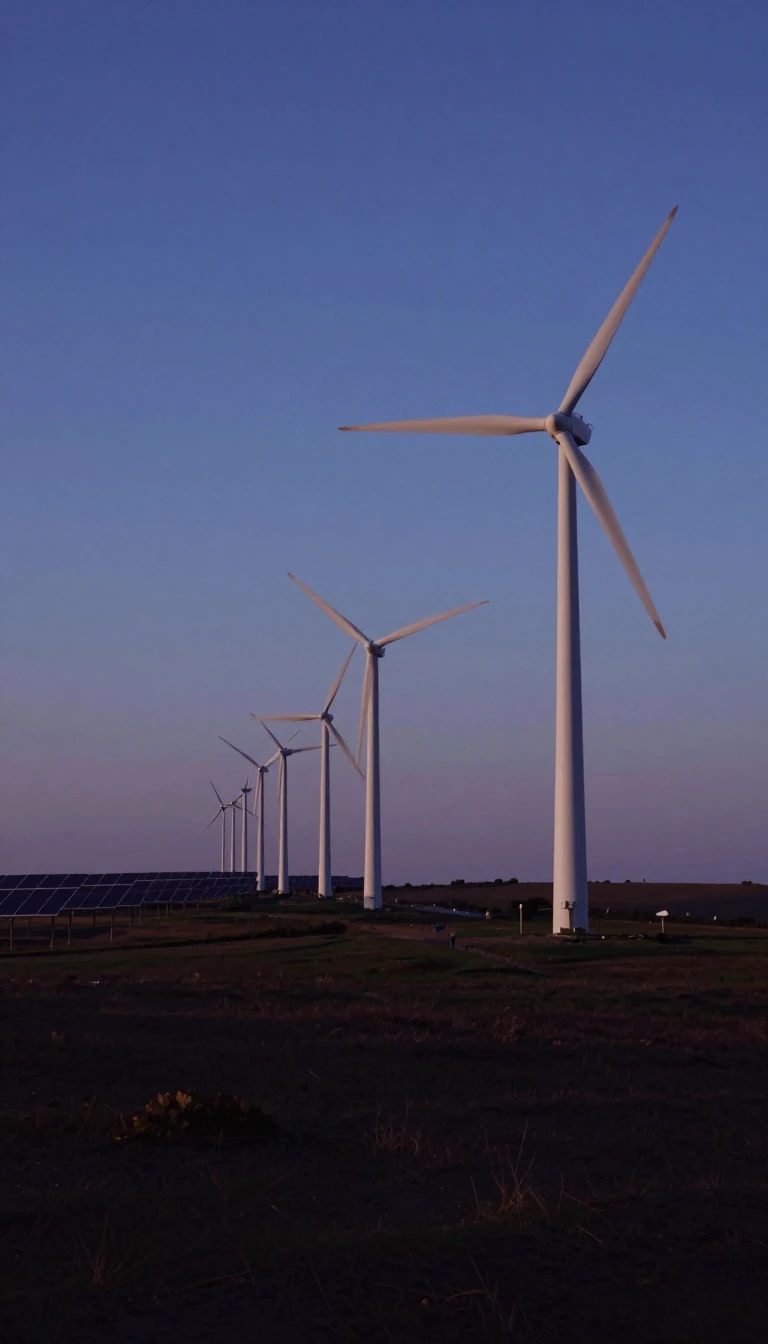
In short: Energy development powers everything from manufacturing to our daily digital lives. While fossil fuels still dominate 86% of the world's energy needs, the shift toward renewables is accelerating. From wind farms to hydroelectric giants, we are navigating a complex transition between legacy infrastructure and the promise of sustainable power.
Energy development encompasses the extraction, production, and reuse of power sources. Primary resources, like coal, uranium, and wind, are used in their original form, while secondary resources, such as electricity or hydrogen, require conversion. The industry is broadly split between conventional fossil fuels—which provided 86% of global energy in 2024—and newer renewable sectors that rely on ongoing natural processes.
Fossil fuels remain the backbone of the modern economy due to their high energy density and existing infrastructure. However, they are non-renewable, finite, and carry significant environmental costs, including greenhouse gas emissions and habitat destruction. As accessible deposits dwindle, extraction becomes increasingly expensive. Furthermore, reliance on imported fuels creates geopolitical instability, fueling conflicts and economic risk for dependent nations.
Nuclear power and renewables offer alternatives, though each faces unique hurdles. Nuclear energy is low-carbon but remains controversial due to high capital costs, long project timelines, and the legacy of accidents like Fukushima in 2011. Conversely, renewables like wind and hydropower are less geographically restricted and are growing rapidly. In 2015, hydropower alone accounted for 70% of all renewable electricity. Yet, balancing these sources requires managing land use, ecosystem impacts, and the economic reality of shifting from state-regulated monopolies to liberalized, competitive markets.
Ultimately, the transition is a race against time and demand. While 30 nations now source over 20% of their supply from renewables, the world still consumes fossil fuels far faster than they can naturally replenish. Whether through efficiency measures or new technologies like uranium extraction from seawater, the challenge lies in scaling these solutions to meet global needs without sacrificing environmental or economic stability.
Opens the Intellect+ feed with this card first. Swipe up for the next one.
Sources
- Summary by Intellect · source: Energy development
To cite this card, link to https://intellectplus.co.uk/app/technology-energy-development.
How we source, check and correct cards: Editorial standards.
General information, not professional advice. Spotted an error? Flag the card or see corrections and complaints.
Intellect Plus is a visual educational discovery platform for exploring fascinating facts and ideas. Brain Food, Not Brain Rot. What is Intellect Plus?
Related
More in Energy · More in Technology · Latest · A–Z · All topics
