To balance a green grid, we must master the art of storing time itself.
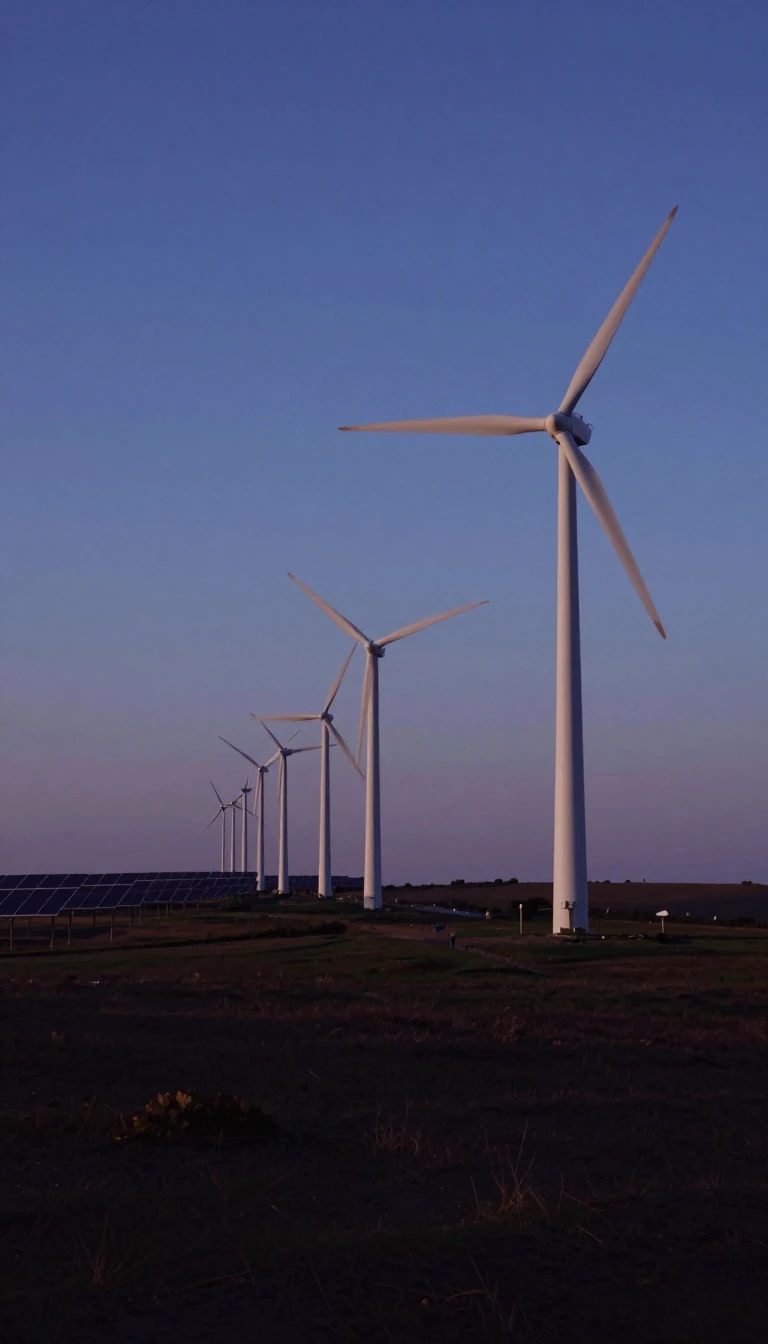
In short: Renewable energy is fickle; the wind dies and the sun sets just as demand peaks. To bridge this gap, we are turning to ingenious storage methods that capture excess power. From massive water reservoirs to spinning flywheels and frozen ice, we are learning to bank energy for when it matters most.
Energy storage is the essential bridge between production and consumption. As we shift away from fossil fuels, which store energy in chemical form for millions of years, we face the challenge of managing intermittent sources like wind and solar. Because these sources do not always align with human demand, grid stability now relies on our ability to convert energy into forms that can be held and released on command.
Mechanical storage remains the backbone of the grid. Pumped-storage hydroelectricity, which moves water between reservoirs at different elevations, accounts for over 99% of global bulk storage capacity. Other mechanical innovations include flywheels, which store kinetic energy in high-speed rotors spinning in vacuums, and gravity batteries, which use motors to lift heavy weights in mine shafts or towers, releasing that potential energy when the weights descend.
Thermal and chemical systems offer further flexibility. Thermal storage can keep heat or cold for months, using materials like gravel, water, or even liquid air to manage temperature. Meanwhile, rechargeable batteries—ranging from traditional lead-acid cells to advanced electrochemical systems—provide the portable power necessary for everything from mobile phones to the electric vehicles gradually replacing combustion engines. As the renewable sector expands, analysts expect total storage capacity to grow by 27% annually through 2030.
The transition is as much about economics as it is about physics. Whether retrofitting old coal plants with high-temperature heat storage or deploying large-scale cryogenic systems, the goal is to make clean energy reliable. By mastering these diverse storage technologies, we are moving toward a grid that can sustain itself even when the sun is down and the air is still.
Opens the Intellect+ feed with this card first. Swipe up for the next one.
Sources
- Summary by Intellect · source: Energy storage
To cite this card, link to https://intellectplus.co.uk/app/technology-energy-storage.
How we source, check and correct cards: Editorial standards.
General information, not professional advice. Spotted an error? Flag the card or see corrections and complaints.
Intellect Plus is a visual educational discovery platform for exploring fascinating facts and ideas. Brain Food, Not Brain Rot. What is Intellect Plus?
Related
More in Energy · More in Technology · Latest · A–Z · All topics
