How a Massachusetts river town became the world's second-largest textile powerhouse
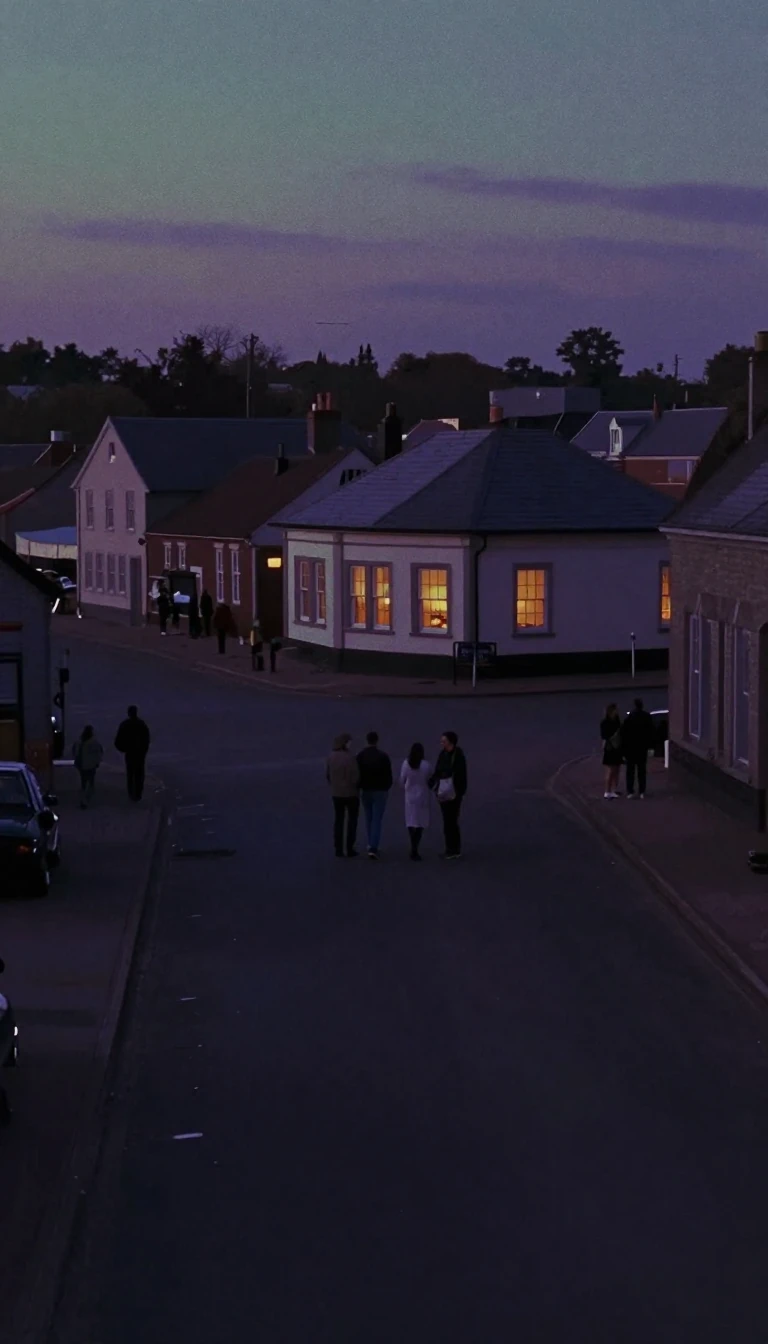
In short: Before it was known for its unique highway-straddling city hall, Fall River was the Spindle City. By leveraging the natural power of the Quequechan River, this Massachusetts municipality transformed from a quiet farming area into a global industrial titan, eventually rivaling the output of Manchester, England at its nineteenth-century peak.
The industrial rise of Fall River was rooted in the unique geography of the Quequechan River, which provided eight distinct falls. This natural tidewater privilege allowed local investors to develop the site without reliance on external capital. By 1813, the Fall River Manufactory and the Troy Cotton & Woolen Manufactory were established, marking the start of a massive industrial expansion. The city’s strategic location on a deep-water harbor facilitated the easy import of raw cotton and coal, fueling a rapid transition to steam-powered production.
By 1868, Fall River had overtaken Lowell as the leading textile city in America. The growth was explosive; between 1871 and 1872 alone, the city added 22 new mills and 20,000 residents, doubling its capacity to over 1,000,000 spindles. At its height in 1876, the city produced half of all American print cloth. This prosperity necessitated the construction of over 12,000 housing units, primarily wood-framed triple-decker tenements, to accommodate a massive influx of Irish and French Canadian immigrants.
The decline began in the early 20th century as Southern mills gained a competitive edge through lower labor costs and modern machinery. The Great Depression accelerated the collapse, with the massive American Printing Company closing in 1934. While the garment industry provided a temporary lifeline through the 1990s, the city’s landscape was permanently altered by the 1960s construction of Interstate 195, which buried the historic river in culverts and demolished significant portions of the 19th-century industrial architecture.
Today, the city’s identity remains tied to its industrial past, though the physical remnants are largely repurposed or gone. The transition from a textile giant to a modern municipality was marked by the 1976 opening of a Brutalist city hall built directly over the interstate. Despite the loss of its primary industry, the city retains its historical significance as a testament to the rapid, often destructive, pace of American industrialization.
Opens the Intellect+ feed with this card first. Swipe up for the next one.
Sources
- Summary by Intellect · source: Fall River, Massachusetts
To cite this card, link to https://intellectplus.co.uk/app/technology-fall-river-massachusetts.
How we source, check and correct cards: Editorial standards.
General information, not professional advice. Spotted an error? Flag the card or see corrections and complaints.
Intellect Plus is a visual educational discovery platform for exploring fascinating facts and ideas. Brain Food, Not Brain Rot. What is Intellect Plus?
Related
More in Industry · More in Technology · Latest · A–Z · All topics
