Why your pantry is a high-stakes laboratory for preventing foodborne illness and waste
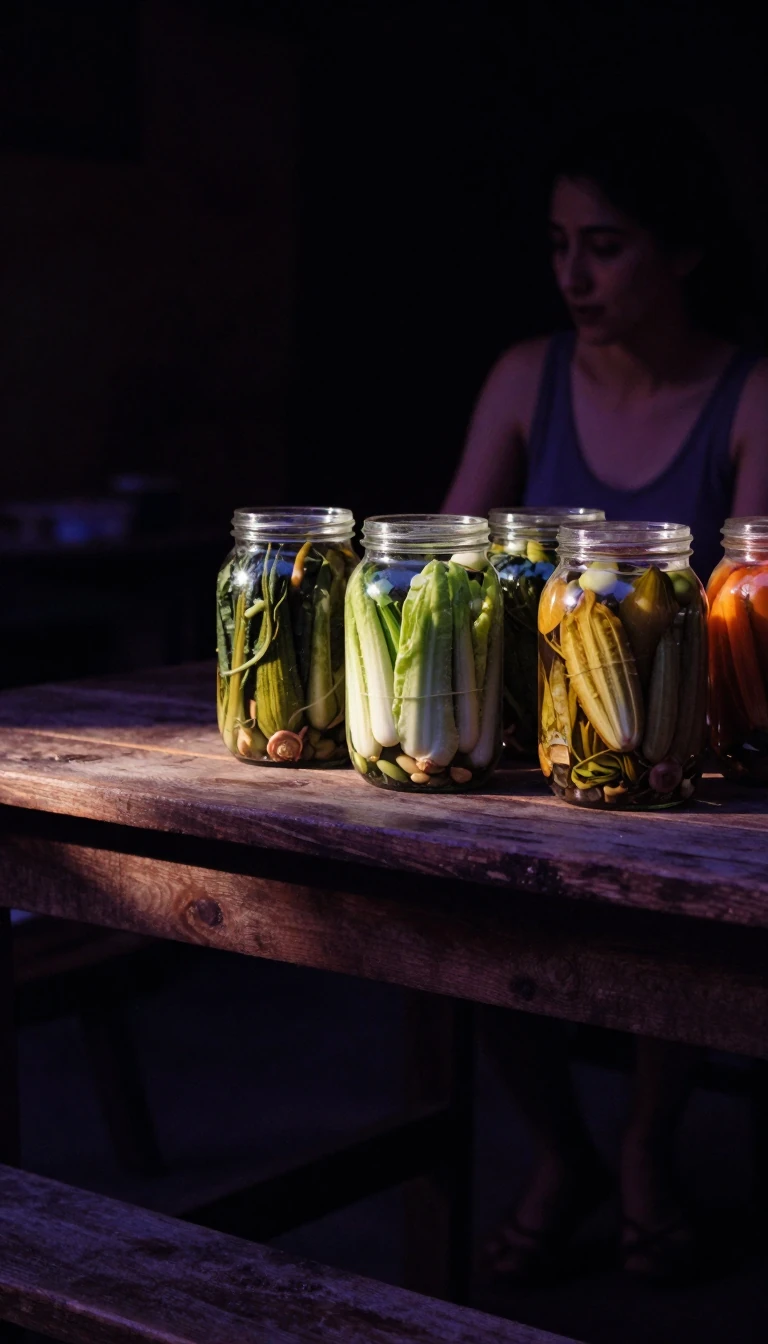
In short: Food storage is more than just organizing a kitchen; it is a critical industrial and domestic science. From the precise temperatures required to halt bacterial growth to the chemistry of rancid oils, mastering these conditions is essential for food security, safety, and reducing the significant global burden of food waste.
At its core, food storage is a strategy to mitigate the natural variability of supply, allowing societies to consume harvests long after they are gathered. Whether through traditional root cellaring or modern industrial logistics, the objective remains constant: maintaining quality and safety. Inadequate storage conditions are a primary driver of food loss, making cold chain management and proper environmental control vital for preventing both quantitative waste and the qualitative degradation of nutrition.
Safety guidelines, such as those from the USDA, are grounded in rigorous research aimed at neutralizing pathogens like E. coli, Salmonella, and the potentially fatal Botulism. For instance, home freezers must maintain temperatures at or below 0 °F (-18 °C) to preserve food almost indefinitely, while refrigerators require a narrow window between 1 °C and 4 °C. Even pantry staples demand specific environments; grains are susceptible to rapid spoilage and pest infestation if kept in cloth sacks, whereas oils require protection from light and oxygen to prevent rancidification, a process that accelerates based on an oil's polyunsaturated fat content.
Beyond safety, storage is a tool for economic and dietary stability. Proper rotation—using the oldest items first—ensures freshness, while bulk storage of dry goods can offer significant cost savings. However, the discipline is complex; meat storage, for example, varies wildly by region and technique, from dry-aging gourmet cuts for 21 days to the use of curing agents like nitrates to inhibit anaerobic bacteria. Ultimately, whether you are managing a small home pantry or a massive commercial silo, the goal is the same: extending the utility of food while navigating the biological realities of decay.
Opens the Intellect+ feed with this card first. Swipe up for the next one.
Sources
- Summary by Intellect · source: Food storage
To cite this card, link to https://intellectplus.co.uk/app/technology-food-storage.
How we source, check and correct cards: Editorial standards.
General information, not professional advice. Spotted an error? Flag the card or see corrections and complaints.
Intellect Plus is a visual educational discovery platform for exploring fascinating facts and ideas. Brain Food, Not Brain Rot. What is Intellect Plus?
Related
More in Industry · More in Technology · Latest · A–Z · All topics
