The pantry was once a room for bread, but it evolved into a domestic fortress.
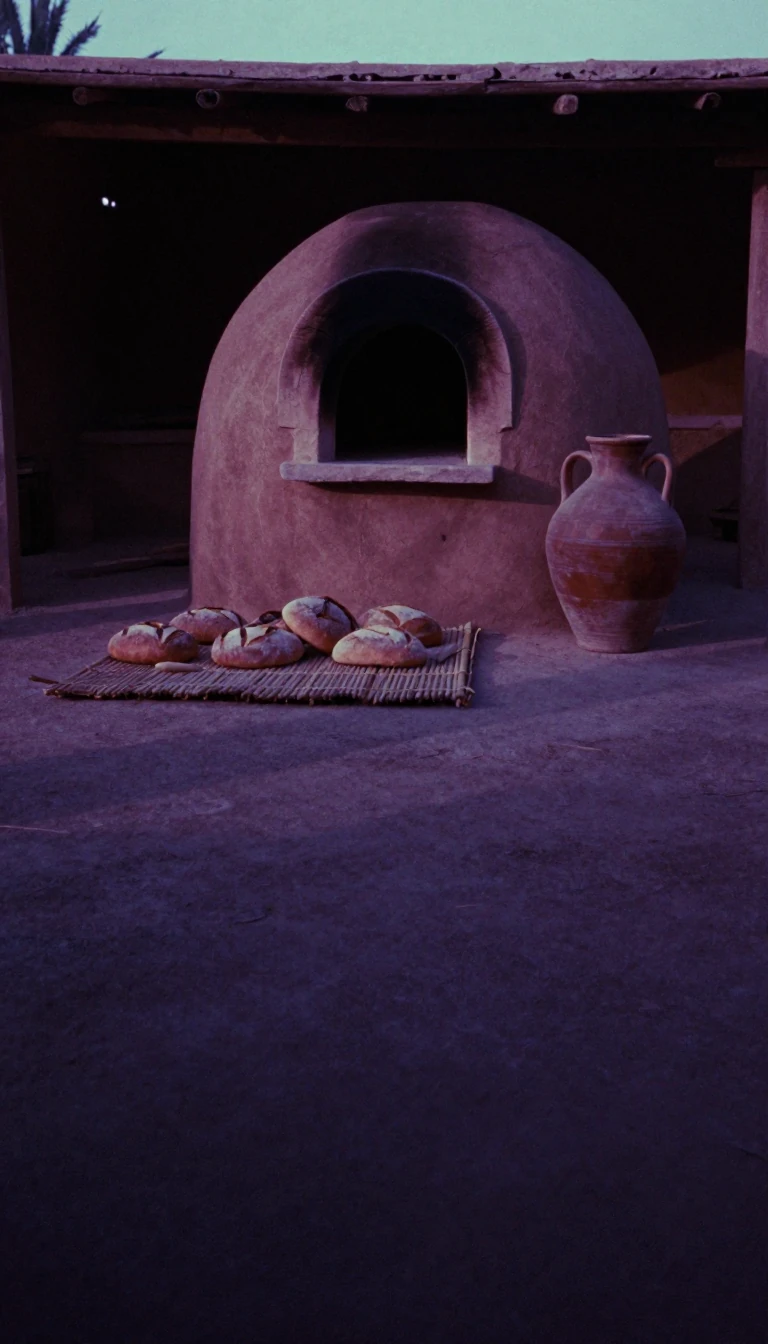
In short: The word pantry traces back to the French term for bread, but its history is far more complex. From medieval halls to Victorian sculleries and clever cold-air cooling systems, the pantry has served as an essential, evolving hub for food storage, silver security, and the staging of daily life.
The evolution of the pantry reflects changing domestic needs and architectural ingenuity. Etymologically, the term stems from the French 'paneterie' and the Latin 'panis', or bread. In medieval Europe, the pantry was a dedicated dry room for bread storage, overseen by an official known as a pantler. This era relied on specialized rooms for distinct tasks: larders handled meats, butteries stored barrels of alcohol, and sculleries managed the messy work of cleaning fish and vegetables near a water source.
Before modern refrigeration, households employed innovative methods to preserve perishables. The 'cold pantry' or 'California cooler' was a brilliant architectural hack that used natural convection. By placing vents near the floor on the north side of a house and high up near the roof, homeowners created a constant flow of cool air. This allowed for the storage of butter, eggs, and pastries at temperatures several degrees lower than the rest of the house, saving precious space in limited iceboxes.
In the United States, the pantry transitioned from colonial 'butteries' to the specialized butler's pantries of the 19th and 20th centuries. While large estates maintained separate rooms for silver and serving, middle-class homes adopted freestanding solutions like the Hoosier cabinet, which debuted around 1900. These all-in-one workstations offered pull-out surfaces and organized storage for spices and flour. Though domestic scientists like Catharine E. Beecher and Harriet Beecher Stowe advocated for integrating pantries directly into the kitchen as early as 1869, the separate pantry remained a fixture in American homes until after World War II.
Today, the butler's pantry has seen a resurgence as a transitional staging area between kitchens and dining rooms. Beyond its practical utility, the pantry has left a lasting mark on culture, appearing in literature from Laura Ingalls Wilder’s homestead descriptions to Mark Twain’s famous scene where Tom Sawyer is punished for raiding Aunt Polly’s jam. Whether as a high-tech cooling room or a simple cupboard, the pantry remains a vital, if often overlooked, engine of the home.
Opens the Intellect+ feed with this card first. Swipe up for the next one.
Sources
- Summary by Intellect · source: Pantry
To cite this card, link to https://intellectplus.co.uk/app/society-pantry.
How we source, check and correct cards: Editorial standards.
General information, not professional advice. Spotted an error? Flag the card or see corrections and complaints.
Intellect Plus is a visual educational discovery platform for exploring fascinating facts and ideas. Brain Food, Not Brain Rot. What is Intellect Plus?
Related
More in Home living · More in Society · Latest · A–Z · All topics
