How a University of Chicago meteorologist turned tornado wreckage into a global scientific standard
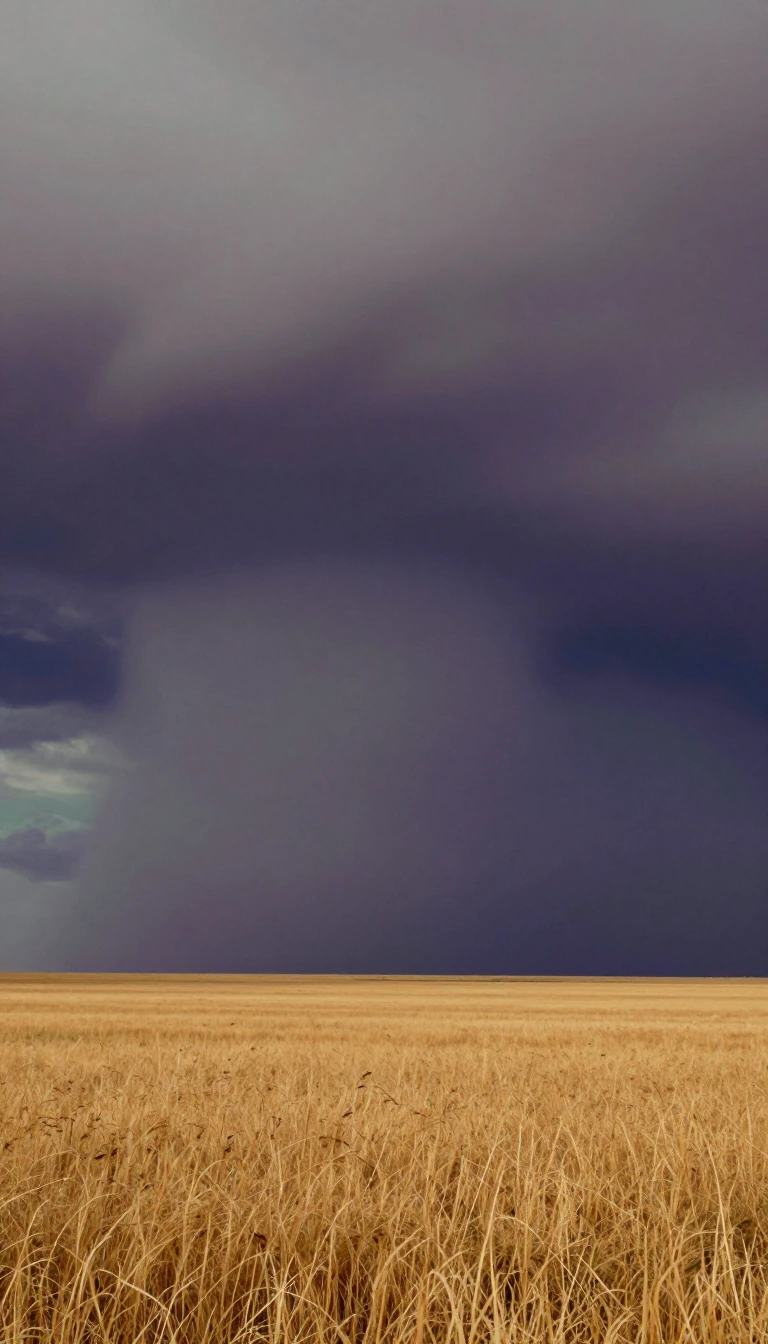
In short: Before Ted Fujita, there was no consistent way to measure the ferocity of a tornado. By analyzing the debris left in the wake of storms, he created a scale that transformed meteorology. Today, his legacy lives on through the Enhanced Fujita Scale, the definitive metric for gauging atmospheric violence.
In the mid-twentieth century, tornadoes remained elusive, unpredictable, and poorly understood. Ted Fujita, a University of Chicago professor nicknamed Mr. Tornado, sought to change this by categorizing storms based on the physical destruction they left behind. In his 1971 paper, he proposed a scale ranging from 0 to 5, linking estimated wind speeds to the specific damage patterns he observed during hundreds of ground and aerial surveys.
Fujita’s original scale was a theoretical 13-level system, though he intended for only F0 to F5 to be used in practice. He even included an F6 category for "inconceivable" storms, though it was never officially adopted. The system was revolutionary because it allowed meteorologists to rate historical and future tornadoes using a uniform standard. However, the wind speeds associated with the original F-Scale were largely educated guesses that were never scientifically verified, and research eventually suggested these estimates were significantly inflated, particularly for the most intense storms.
By 2007, the U.S. National Weather Service replaced the original system with the Enhanced Fujita (EF) Scale. Developed by a team of engineers and meteorologists—including Fujita’s former students Greg Forbes and Roger Wakimoto—the new scale accounts for construction quality and uses 28 specific damage indicators, such as power lines or high-rise buildings. This nuance is critical because a barn and a brick house sustain damage at vastly different wind speeds. While the EF Scale is calibrated for American construction, it remains the international benchmark for assessing tornado severity.
Despite the precision of the EF Scale, the most violent storms—those rated EF3 to EF5—remain rare, accounting for roughly 9% to 12% of all tornadoes. Yet, these intense events are responsible for nearly 88% of all tornado-related fatalities. Fujita’s work also helped confirm the existence of subvortices, smaller whirlwinds within a larger storm that explain why one house might be leveled while its neighbor remains completely untouched.
Opens the Intellect+ feed with this card first. Swipe up for the next one.
Sources
- Summary by Intellect · source: The Fujita Scale, explained
- Also: Fujita scale
To cite this card, link to https://intellectplus.co.uk/app/technology-fujita-scale.
How we source, check and correct cards: Editorial standards.
General information, not professional advice. Spotted an error? Flag the card or see corrections and complaints.
Intellect Plus is a visual educational discovery platform for exploring fascinating facts and ideas. Brain Food, Not Brain Rot. What is Intellect Plus?
Related
More in Science · Latest · A–Z · All topics
