Art without a script: the chaotic rise of the 'happening'
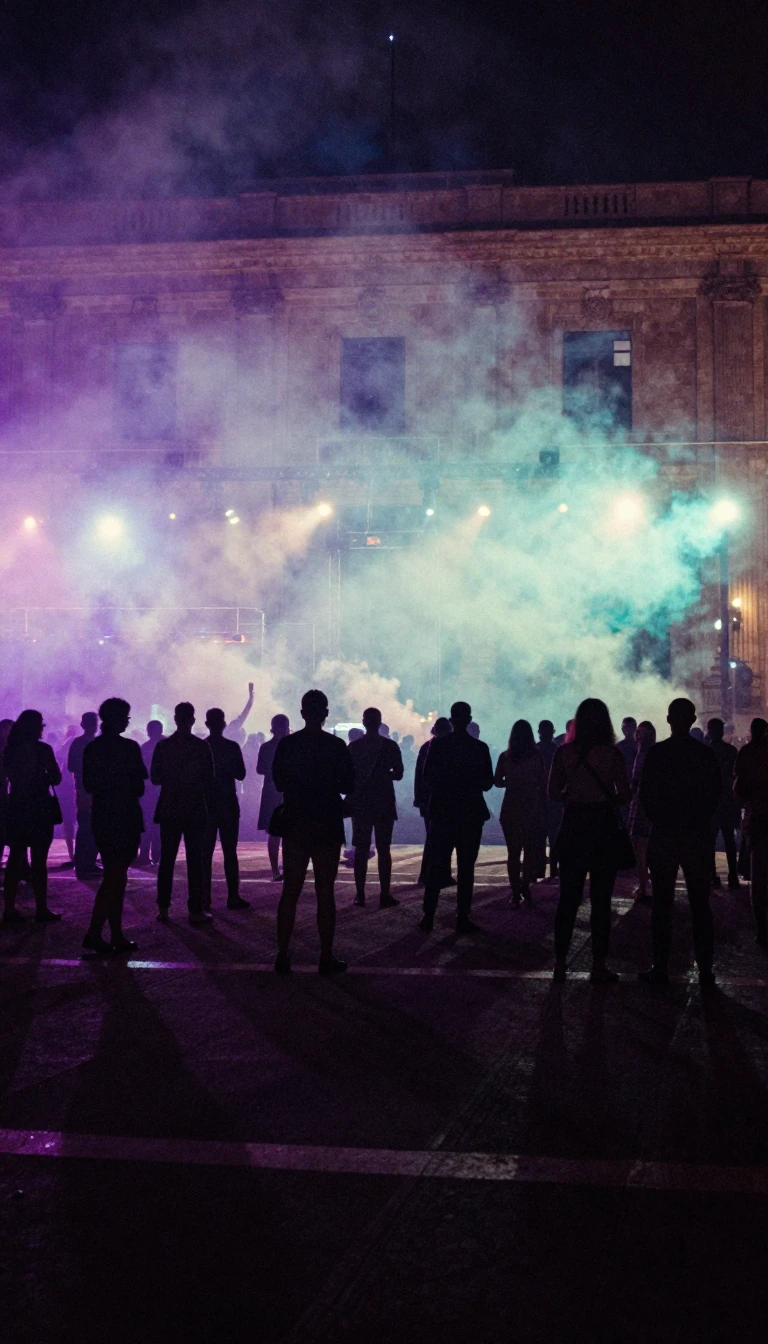
In short: In the late 1950s, artists began abandoning plots and predictable endings for something far more volatile. By inviting the audience to step onto the stage and embracing pure chance, they created 'happenings'—unpredictable, unrepeatable events that blurred the line between art and life.
A 'happening' is a form of performance art that abandons traditional narrative and plot in favor of a complex matrix of incident and event. Coined by Allan Kaprow in 1959—following his 1956 essay 'Legacy of Jackson Pollock'—the term describes spontaneous, often non-narrative performances that integrate visual arts, theatrical elements, and discordant music. Unlike traditional theater, happenings often lack set rules, relying instead on vague guidelines that allow chance to dictate the outcome. This makes the form unique; because it is driven by spontaneity, it cannot be reproduced and has no room for failure, as unexpected turns are viewed as revelatory rather than mistakes.
The movement emerged from a desire to break the 'fourth wall' between spectator and performer. In many happenings, the audience is not merely a witness but a vital participant whose engagement shapes the work. This participatory nature can transform objective criticism into subjective support. For example, in Robert Whitman's 'Water', performers drenched one another with colored water, while Yoko Ono's 'Cut Piece' in 1964 required audience members to use scissors to cut away her clothing. This shift toward interactivity shares DNA with Augusto Boal's 'Theater of the Oppressed,' which sought to mobilize people through participation.
The movement flourished globally, from New York City in the late 1950s to Japan, Germany, and England. Key figures included John Cage, who experimented with 'musical happenings' as early as 1952, and Claes Oldenburg, who utilized unconventional spaces like parking lots for his works. Whether it was Yves Klein selling empty space in 1959 or Red Grooms staging 'Walking Man' in 1959, happenings challenged the very definition of art by emphasizing the organic, messy connection between creative expression and the real world.
Opens the Intellect+ feed with this card first. Swipe up for the next one.
Sources
- Summary by Intellect · source: Happening
To cite this card, link to https://intellectplus.co.uk/app/technology-happening.
How we source, check and correct cards: Editorial standards.
General information, not professional advice. Spotted an error? Flag the card or see corrections and complaints.
Intellect Plus is a visual educational discovery platform for exploring fascinating facts and ideas. Brain Food, Not Brain Rot. What is Intellect Plus?
Related
More in Art history · More in Art · Latest · A–Z · All topics
