Is performance a display of skill, a psychological state, or an act of rebellion?
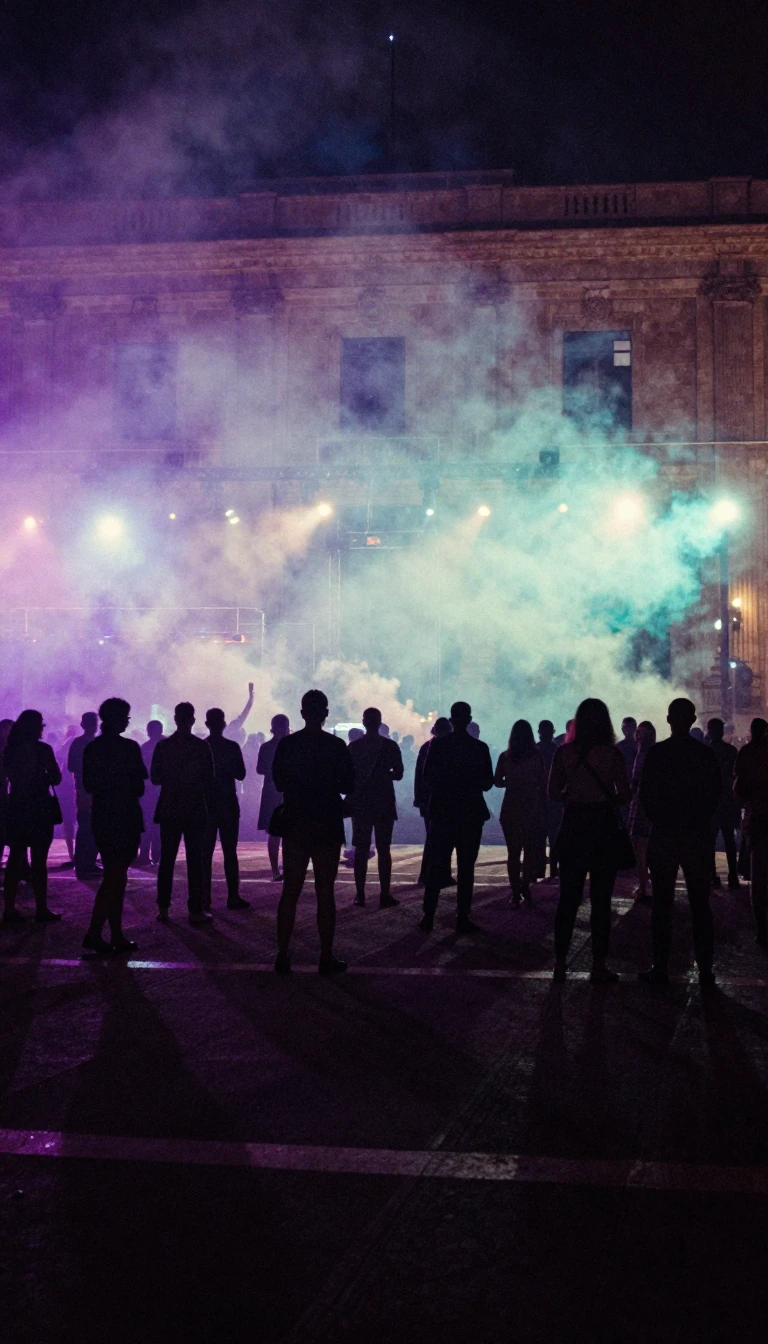
In short: Performance is more than just a stage production. It spans from the structured requirements of workplace tasks to the chaotic, avant-garde happenings of the 20th century. Whether you are an artist using your body as a tool or a professional managing stress, performance is a complex intersection of competence and psychology.
At its core, performance is the act of carrying out a task or presenting a work of art. In the workplace, it is divided into task performance—driven by cognitive ability and formal job roles—and contextual performance, which relies on personality to support organizational culture. Experts like Spencer and McClelland define high-level competency as a unique blend of motives, traits, and knowledge that allows an individual to stand out from the average performer. Achieving this state often requires a mental shift, characterized by a sense of effortlessness, self-efficacy, and a distortion of time where the activity consumes the performer's full attention.
The 20th century transformed performance into a radical art form. Movements like Dada and Russian constructivism moved beyond traditional theater, while the 1950s saw action painters like Jackson Pollock treat the physical motion of creating art as equal in value to the finished piece. Artists began using their bodies as tools, such as Kazuo Shiraga rolling in mud in 1955, or Valie Export challenging the sexualization of women in film by inviting strangers to touch her through a box in 1968. These acts were designed to disrupt social norms, incite anarchy, or force audiences to confront invisible racial and gender dynamics.
Physiologically, performance is demanding. Studies show that theatrical and instrumental performers experience significant heart rate increases, peaking during their active roles. Interestingly, research suggests a positive correlation between audience size and performer anxiety, contradicting earlier assumptions. Ultimately, the most effective performances balance spontaneity with rational structure. However, performers must be wary of over-practicing, which can lead to ego depletion and failure. Whether through the lens of a corporate role or a provocative art piece, performance remains a delicate, high-stakes navigation of skill, stress, and audience interaction.
Opens the Intellect+ feed with this card first. Swipe up for the next one.
Sources
- Summary by Intellect · source: Performance
To cite this card, link to https://intellectplus.co.uk/app/art-performance.
How we source, check and correct cards: Editorial standards.
General information, not professional advice. Spotted an error? Flag the card or see corrections and complaints.
Intellect Plus is a visual educational discovery platform for exploring fascinating facts and ideas. Brain Food, Not Brain Rot. What is Intellect Plus?
Related
More in Performing arts · More in Art · Latest · A–Z · All topics
