Why the home computer era vanished, leaving only the office machine behind
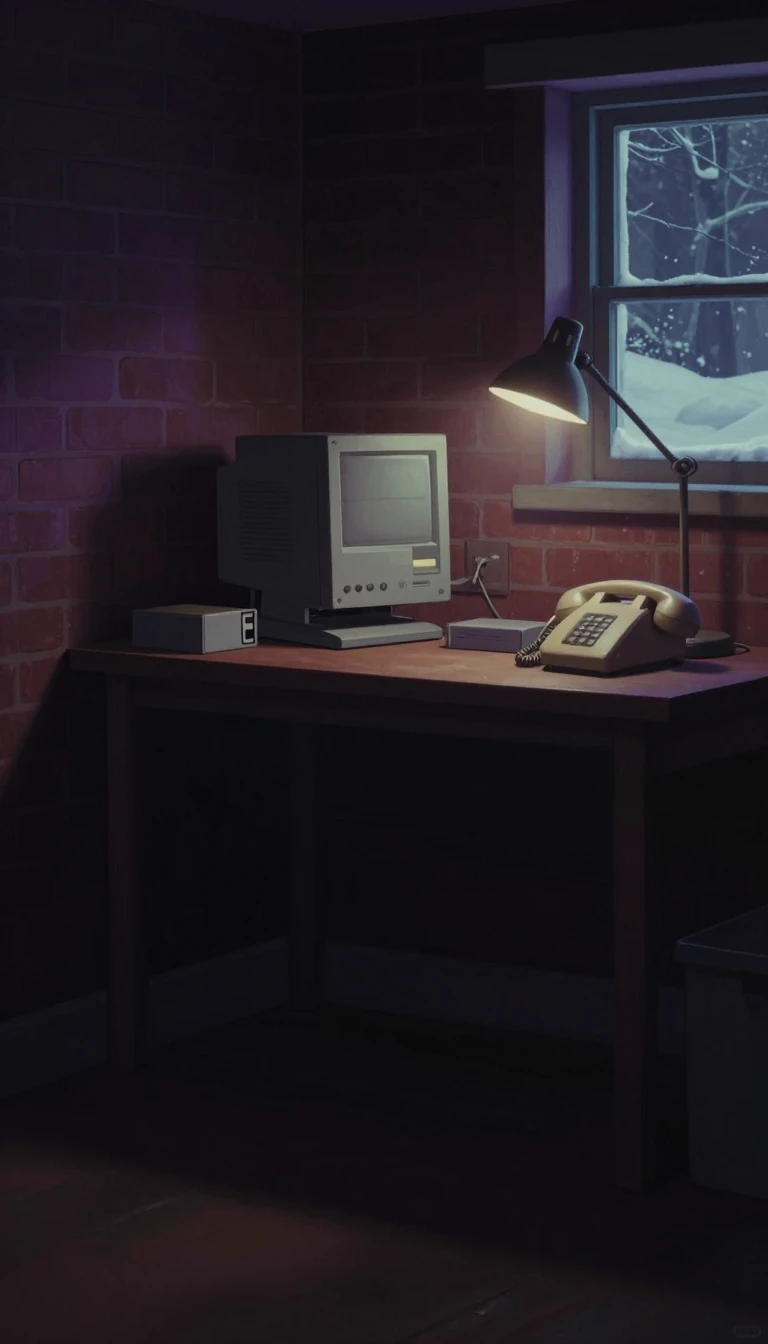
In short: In the 1980s, home computers were distinct, affordable machines marketed for personal use. Unlike today's uniform devices, these systems were often incompatible, required manual programming, and relied on television sets for displays. By the 1990s, this unique market segment disappeared, replaced by the standardized, office-oriented IBM PC architecture.
The home computer market emerged in 1977, offering consumers accessible technology for gaming, word processing, and programming. Unlike business-grade machines, these units were designed for non-technical users and were typically housed in plastic or metal cases. Manufacturers often sold them as base units, requiring users to purchase peripherals like disk drives or modems separately. Because there were no industry-wide standards, software and hardware were rarely interchangeable between brands, or even between successive models from the same company.
A defining feature of this era was the inclusion of a BASIC interpreter in read-only memory. This allowed users to write their own applications, a common practice that has since vanished. While advertisements promised practical uses like home automation or personal finance, these were rarely realized due to the tedious nature of data entry. Instead, users often relied on books of type-in program listings to build their software libraries. For many, the home computer was a higher-end alternative to a game console, offering the ability to connect to remote services like bulletin board systems via a modem.
By the late 1980s, the market shifted as IBM PC compatibles became the standard for both business and home use. These machines offered superior graphics, sound, and storage, while the rise of standardized operating systems and peripherals made the specialized home computer obsolete. Companies like Apple and Commodore struggled as consumers increasingly preferred the versatility of the PC platform. By the early 1990s, the distinct home computer market had vanished in the United States, leaving behind a world where the computer in your living room is functionally identical to the one on your office desk.
The transition was driven by the declining cost of IBM-compatible hardware and the emergence of powerful video game consoles. As the line between business and home computing blurred, the once-common hobbyist culture of soldering kits and writing custom code faded. Today, the legacy of the home computer era persists only in the memory of a time when computing was an experimental, fragmented, and deeply personal endeavor.
Opens the Intellect+ feed with this card first. Swipe up for the next one.
Sources
- Summary by Intellect · source: Home computer
To cite this card, link to https://intellectplus.co.uk/app/technology-home-computer.
How we source, check and correct cards: Editorial standards.
General information, not professional advice. Spotted an error? Flag the card or see corrections and complaints.
Intellect Plus is a visual educational discovery platform for exploring fascinating facts and ideas. Brain Food, Not Brain Rot. What is Intellect Plus?
Related
More in Computing and information technology · More in Technology · Latest · A–Z · All topics
