The computer that turned technophobes into office workers
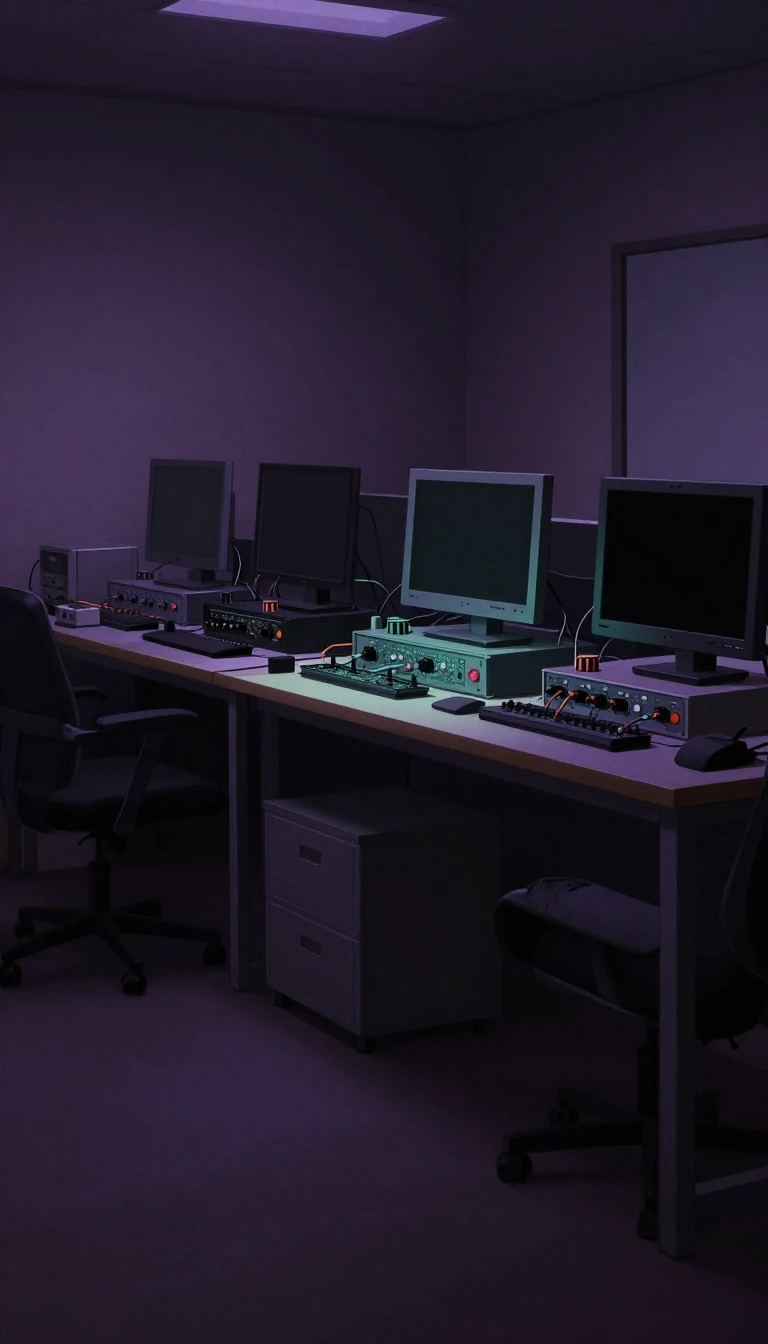
In short: In 1985, computers were expensive toys for the tech-savvy. Amstrad disrupted this by creating a machine so affordable it was marketed as a typewriter replacement. By focusing on one task—word processing—they democratized computing, capturing 60% of the UK home market and proving that utility beats complexity.
The Amstrad PCW (Personal Computer Word-processor) emerged from a specific observation by founder Alan Sugar: most people only needed computers for writing. While industry executives argued there was no compelling reason to own a home computer, Sugar envisioned a low-cost alternative to the typewriter. He originally sketched a design featuring a portrait-oriented display for better document viewing, but costs forced a shift to a landscape monitor and a separate printer unit.
To achieve its disruptive price point—under 25% of the cost of most UK PC compatibles at launch—Amstrad made several engineering compromises. The system utilized a Z80 CPU and an unusual 3-inch 'compact floppy' disk format, chosen for its simpler electrical interface over the standard 3½-inch drives. While these choices restricted some software compatibility, they allowed the basic model to retail for £399 in September 1985, including the CP/M Plus operating system and Locoscript word processing software.
The PCW's success was rooted in its 'best value' proposition. It sold 8 million units over its lifespan, notably capturing 20% of the European market. However, its dominance eventually waned as IBM-compatible PCs became affordable during the early 1990s recession. By 1997, inflation-adjusted prices for multimedia PCs were only about 11% higher than the original 1985 PCW price, making the specialized hardware obsolete in a rapidly diversifying market.
Despite its retirement in 1998, the machine's reliability was so high that an estimated 100,000 units remained in use in the UK as late as 2000. It remains a landmark case study in how narrowing a product's scope to solve a single human need can create a massive market shift.
Opens the Intellect+ feed with this card first. Swipe up for the next one.
Sources
- Summary by Intellect · source: Amstrad PCW
To cite this card, link to https://intellectplus.co.uk/app/health-amstrad-pcw.
How we source, check and correct cards: Editorial standards.
General information, not professional advice. Spotted an error? Flag the card or see corrections and complaints.
Intellect Plus is a visual educational discovery platform for exploring fascinating facts and ideas. Brain Food, Not Brain Rot. What is Intellect Plus?
Related
More in Brain · More in Health · Latest · A–Z · All topics
