How Chrysler’s Imperial Tried to Out-Luxury Cadillac and Lincoln for Two Decades
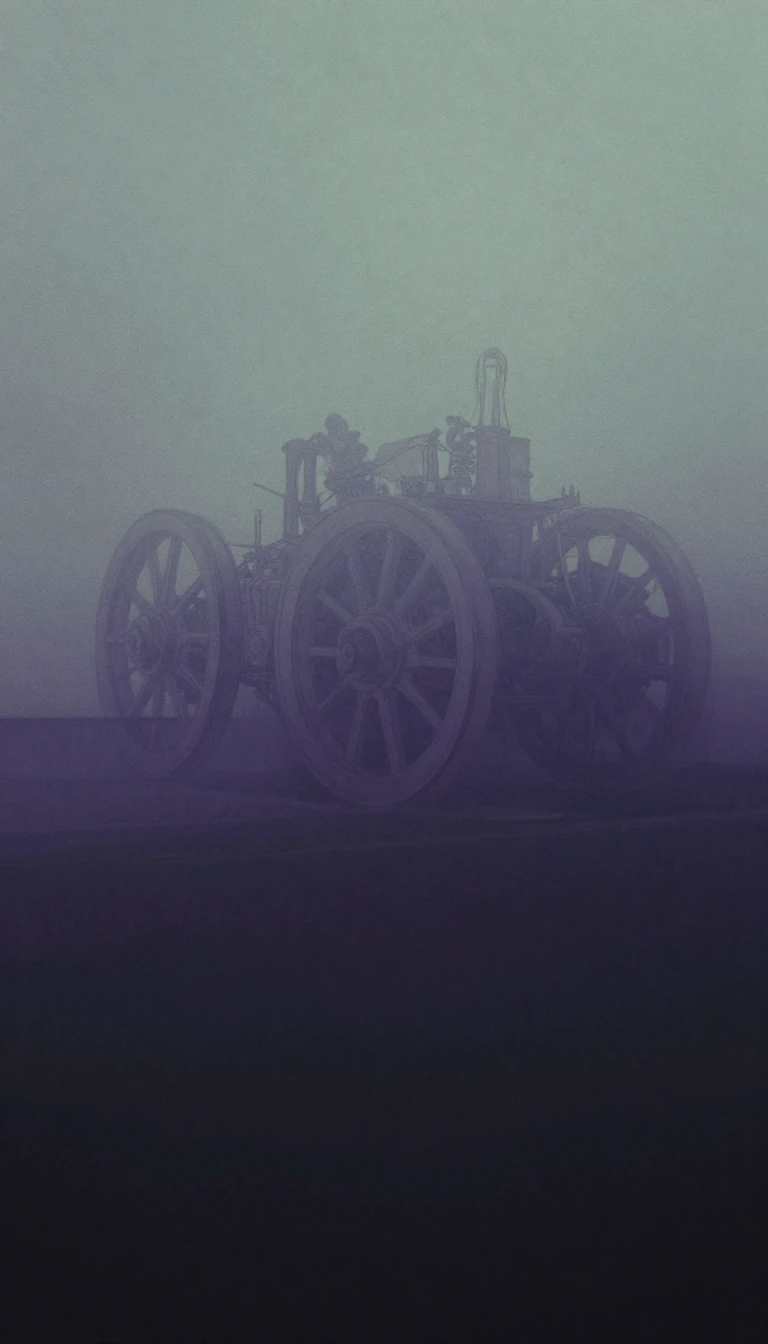
In short: Launched as a standalone brand in 1955, the Imperial was Chrysler’s bold attempt to dominate the American luxury market. With avant-garde styling, massive proportions, and cutting-edge features like electroluminescent dashboards and transistor radios, it challenged Cadillac and Lincoln. Yet, despite its engineering prowess, the brand struggled to escape its parent company's shadow.
In 1955, Chrysler Corporation repositioned its flagship Imperial as a separate make to compete directly with Cadillac and Lincoln. This shift was so deliberate that Chrysler notified state licensing agencies that the Imperial would no longer be registered as a Chrysler. The brand’s aesthetic was defined by Virgil Exner, whose 'Forward Look' styling introduced iconic features like 'gunsight' taillights and, eventually, the largest tailfins in the industry. By 1957, the Imperial was a sales success, moving 37,593 units, though it still trailed Cadillac’s 120,000-car volume.
The Imperial was a laboratory for automotive innovation. It introduced the world’s first all-transistor car radio in 1956 and pioneered cruise control, marketed as 'Auto-Pilot,' in 1958. Mechanically, the cars were distinguished by their 'Torsion-Aire' suspension, which improved handling by shifting the center of gravity. Critics like Tom McCahill praised the vehicle’s stability, noting it cornered 'flatter than a tournament billiard table.' Despite these technical merits, the brand faced persistent quality control issues and a recurring identity crisis, as buyers often persisted in calling the vehicles 'Chrysler Imperials,' undermining the prestige Chrysler desperately sought to cultivate.
By the early 1960s, the brand’s fortunes shifted. Following the departure of Exner and the arrival of Elwood Engel—who brought a more rectilinear, Lincoln-inspired design language—the Imperial’s styling became more conventional. While the 1964 model year saw a sales resurgence with 23,295 units sold, the brand could not sustain its momentum. Production was eventually moved back into standard Chrysler facilities in 1962, signaling the end of its era as a truly independent division. The Imperial nameplate would flicker in and out of existence until its final run concluded in 1983, leaving behind a legacy of excess, ambition, and experimental engineering.
The brand’s history is a study in the difficulty of manufacturing prestige. While the Imperial consistently offered more interior shoulder room than its rivals—setting records that stood until the 1970s—it never fully escaped the perception that it was an 'overpriced Chrysler.' This branding struggle, combined with the volatility of annual styling changes and the eventual shift toward more conservative design, ultimately prevented the Imperial from securing the long-term dominance its designers and executives originally envisioned.
Opens the Intellect+ feed with this card first. Swipe up for the next one.
Sources
- Summary by Intellect · source: Imperial (automobile)
To cite this card, link to https://intellectplus.co.uk/app/technology-imperial-automobile.
How we source, check and correct cards: Editorial standards.
General information, not professional advice. Spotted an error? Flag the card or see corrections and complaints.
Intellect Plus is a visual educational discovery platform for exploring fascinating facts and ideas. Brain Food, Not Brain Rot. What is Intellect Plus?
Related
More in Cars · More in Technology · Latest · A–Z · All topics
