From ancient clay pits to microwave ovens, the kiln has shaped human civilization.
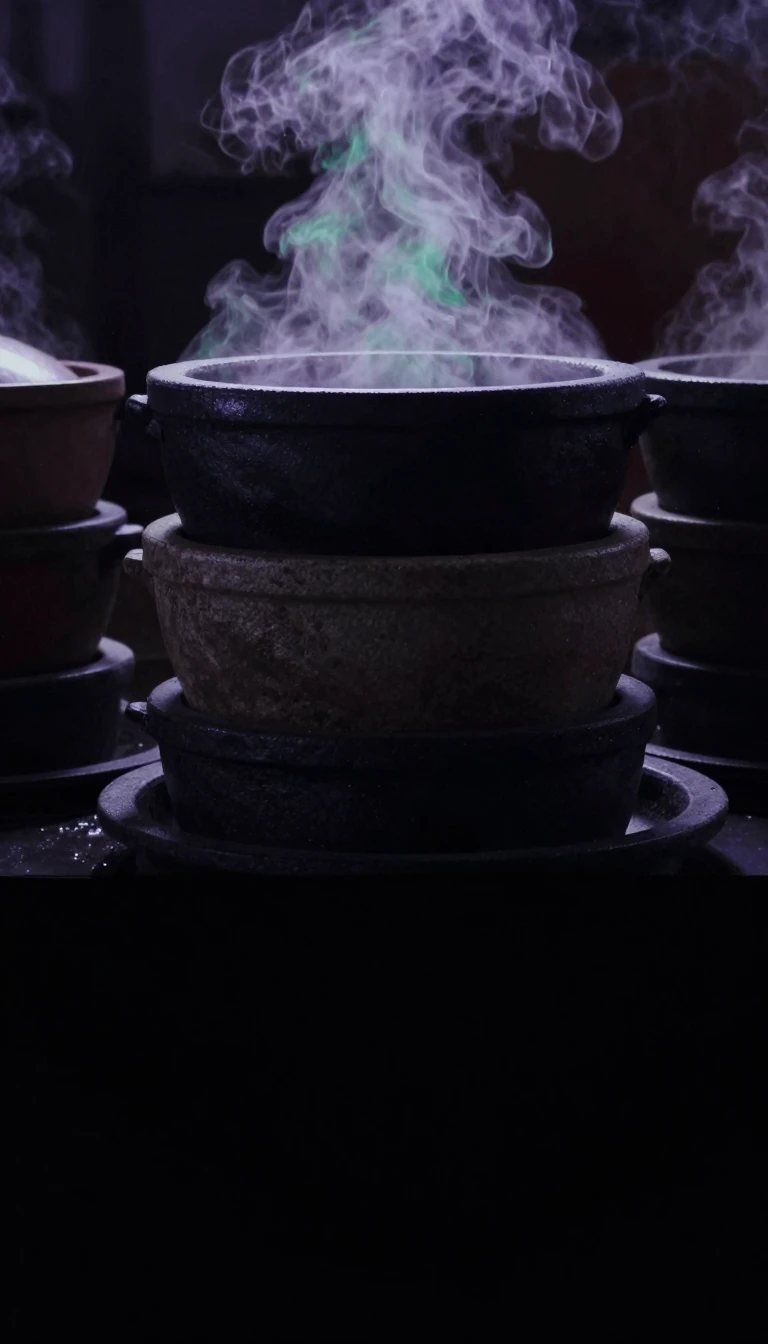
In short: For millennia, the kiln has been the silent engine of industry, transforming raw clay into stone-like ceramics and ores into essential building materials. While we often associate these insulated chambers with pottery, their evolution from simple earthen trenches to high-tech, computer-controlled systems reveals a sophisticated history of thermal engineering.
The earliest known kiln dates back to approximately 6000 BCE at the Yarim Tepe site in modern Iraq. These Neolithic structures were already capable of exceeding 900 °C, a significant leap from the pit-firing methods used for thousands of years prior. By 200 AD, Chinese innovators had developed two distinct designs—the dragon kiln and the mantou kiln—that could reliably reach temperatures above 1300 °C, enabling the production of porcelain. These technologies were so advanced that they remained in use for centuries, with the dragon kiln eventually spreading across East Asia, influencing Japanese designs like the anagama and noborigama.
Modern kilns generally fall into two categories: intermittent and continuous. Intermittent kilns, such as shuttle or top-hat designs, operate in cycles where ware is loaded, fired, and cooled before the next batch begins. In contrast, continuous or tunnel kilns are energy-efficient systems where ware moves through a heated central zone, allowing heat from the cooling process to pre-heat incoming material. Industrial applications are vast, ranging from the calcination of limestone for cement to the drying of lumber and the production of charcoal through pyrolysis.
The 20th century introduced electric kilns, which are now staples in schools and hobby centers. These systems typically maintain an oxygen-rich atmosphere, unlike traditional flame-based kilns. Today, technology continues to evolve with microwave-assisted firing and specialized microwave kilns. These small, portable devices use porous ceramic linings to absorb microwave energy, reaching temperatures over 1400 °C. Despite these modern advancements, the fundamental principle remains unchanged: a controlled, insulated environment that forces chemical and physical reactions to permanently alter a material's state, whether it is sintering clay particles into a strong, glassy mass or drying malted barley for brewing.
Opens the Intellect+ feed with this card first. Swipe up for the next one.
Sources
- Summary by Intellect · source: Kiln
To cite this card, link to https://intellectplus.co.uk/app/technology-kiln.
How we source, check and correct cards: Editorial standards.
General information, not professional advice. Spotted an error? Flag the card or see corrections and complaints.
Intellect Plus is a visual educational discovery platform for exploring fascinating facts and ideas. Brain Food, Not Brain Rot. What is Intellect Plus?
Related
More in Industry · More in Technology · Latest · A–Z · All topics
