Why the dream of the sci-fi death ray remains trapped in the atmosphere
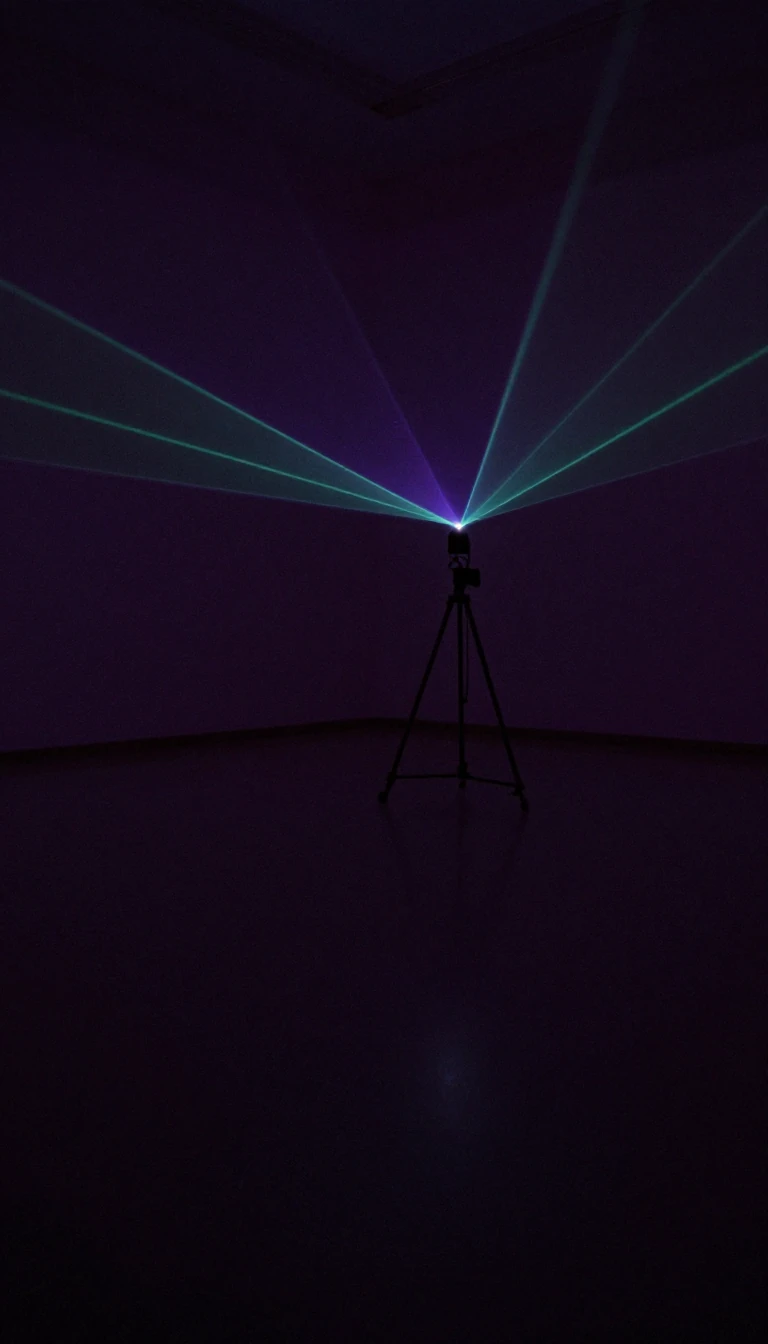
In short: Laser weapons promise the speed of light, but they struggle with the reality of air. From thermal blooming to simple smoke screens, the physics of light makes high-power lasers surprisingly fragile. While they excel at blinding sensors or downing small drones, the ultimate weapon remains elusive.
Directed-energy weapons (DEWs) operate by focusing light to damage targets, but they face a fundamental hurdle: the atmosphere. When a laser fires, it creates a phenomenon called thermal blooming, where energy densities reach one megajoule per cubic centimeter, causing the beam to defocus and disperse. This effect is severely worsened by fog, rain, smoke, or even dust. Because lasers require clear air or a vacuum, simple countermeasures like smoke screens or specialized coatings—made of materials like carbon fiber, silver, or diamonds—can effectively deflect or absorb their energy.
Despite these challenges, military development has surged in the 21st century, primarily targeting small unmanned aerial vehicles (UAVs). Systems like Israel’s Iron Beam, expected to be operational by late 2025, and Ukraine’s Tryzub and SlimBeam, demonstrate the shift toward tactical, short-range applications. These systems are often used for close defense or as non-lethal dazzlers, which temporarily disorient human vision or electronic sensors. While the U.S. Navy tested the 30-kW LaWS and the 60-kW HELIOS, high-power systems capable of destroying larger targets remain largely experimental as of 2026.
Engineers have proposed various methods to overcome atmospheric distortion, such as phased arrays or phase-conjugate systems that use a guide laser to correct for path interference. Yet, many of these solutions, like large, precise mirrors or chemical-based mirrors, are fragile or overheat at useful power levels. Consequently, most laser projects have been canceled or relegated to niche roles. As Arthur C. Clarke and science fiction writers discovered by the 1970s, the reality of the laser as a 'death ray' is far more constrained by physics than the imagination suggests.
Opens the Intellect+ feed with this card first. Swipe up for the next one.
Sources
- Summary by Intellect · source: Laser weapon
To cite this card, link to https://intellectplus.co.uk/app/technology-laser-weapon.
How we source, check and correct cards: Editorial standards.
General information, not professional advice. Spotted an error? Flag the card or see corrections and complaints.
Intellect Plus is a visual educational discovery platform for exploring fascinating facts and ideas. Brain Food, Not Brain Rot. What is Intellect Plus?
Related
More in Military technology · More in Technology · Latest · A–Z · All topics
