How a wartime emergency cargo ship became the foundation of modern global shipping empires
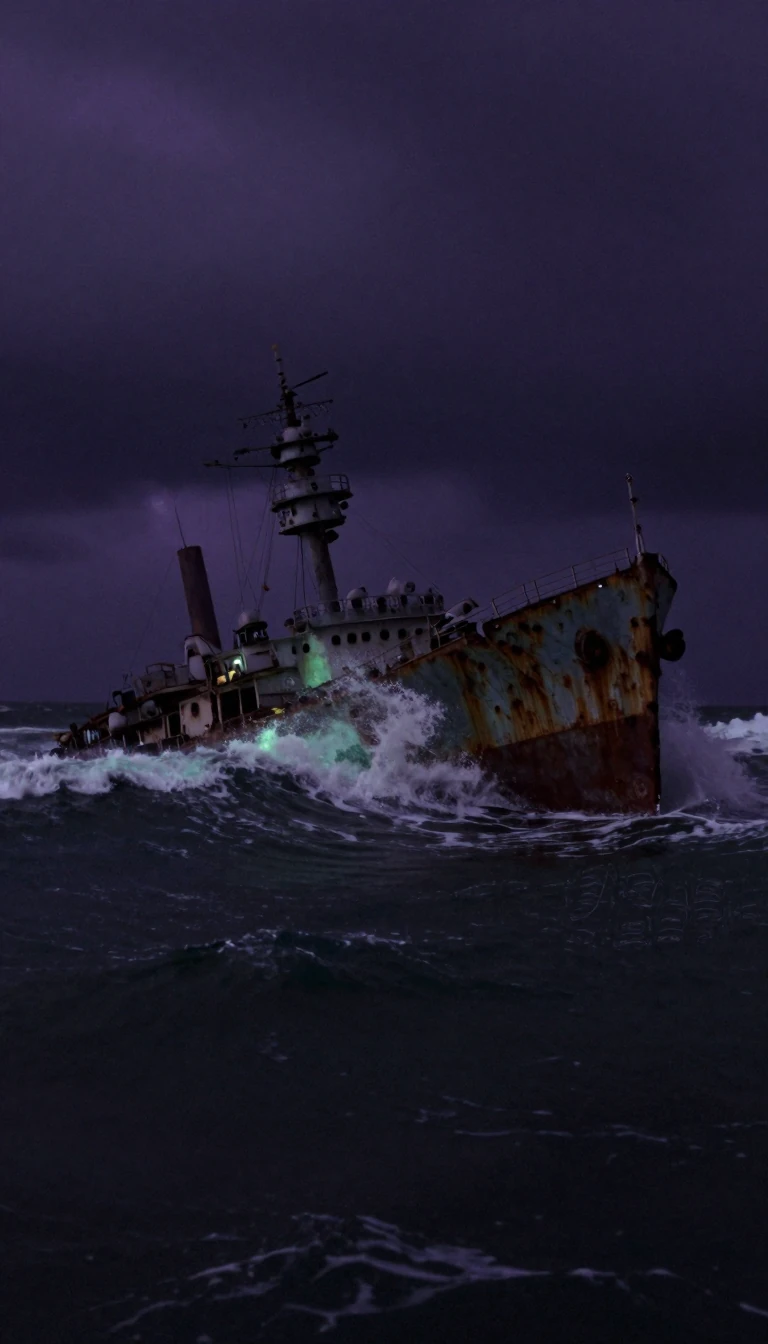
In short: Mass-produced at an unprecedented scale to sustain the Allied war effort, the Liberty ship was a triumph of industrial speed over design elegance. Though initially mocked as an ugly duckling, these rugged vessels survived the war to launch the fleets of some of the world's most famous shipping magnates.
Developed under the Emergency Shipbuilding Program, the Liberty ship was a response to the urgent need for cargo vessels during World War II. Between 1941 and 1945, eighteen American shipyards constructed 2,710 of these ships, averaging three vessels every two days. The design, adapted from a British tramp steamer, prioritized simplicity and low-cost construction, utilizing welded steel sections instead of traditional riveting to save time and labor costs. Powered by an obsolete but reliable triple-expansion steam engine, the ships were designed to carry 10,000 long tons of cargo, though they were frequently overloaded during wartime operations.
The program's rapid expansion necessitated a workforce of newly trained laborers, including many women who replaced men enlisting in the armed forces. This haste, combined with the use of welded hulls, led to significant structural issues. Researchers like Constance Tipper discovered that the steel used became brittle at low temperatures, causing cracks to propagate through the continuous welded sheets. Twelve ships broke in half without warning during the war. These failures provided critical data for the emerging field of materials science, leading to modern innovations in ship design, such as avoiding rectangular hatch corners and developing tougher, temperature-resistant steel.
Beyond their role as cargo carriers, Liberty ships were remarkably versatile. They were converted into troop transports, floating aircraft repair depots for B-29 bombers, and even grain storage vessels. After the war, more than 2,400 ships survived, forming the backbone of the postwar merchant fleet. Shipping magnates like Aristotle Onassis and Stavros Niarchos built their empires by acquiring these vessels. While some met tragic ends—such as the Texas City disaster in 1947 or hitting forgotten naval mines—the Liberty ship remains a symbol of American industrial output and a catalyst for the evolution of modern maritime engineering.
Opens the Intellect+ feed with this card first. Swipe up for the next one.
Sources
- Summary by Intellect · source: Liberty ship
To cite this card, link to https://intellectplus.co.uk/app/technology-liberty-ship.
How we source, check and correct cards: Editorial standards.
General information, not professional advice. Spotted an error? Flag the card or see corrections and complaints.
Intellect Plus is a visual educational discovery platform for exploring fascinating facts and ideas. Brain Food, Not Brain Rot. What is Intellect Plus?
Related
More in History · Latest · A–Z · All topics
