Why your car needs a limited-slip differential to stop spinning its wheels
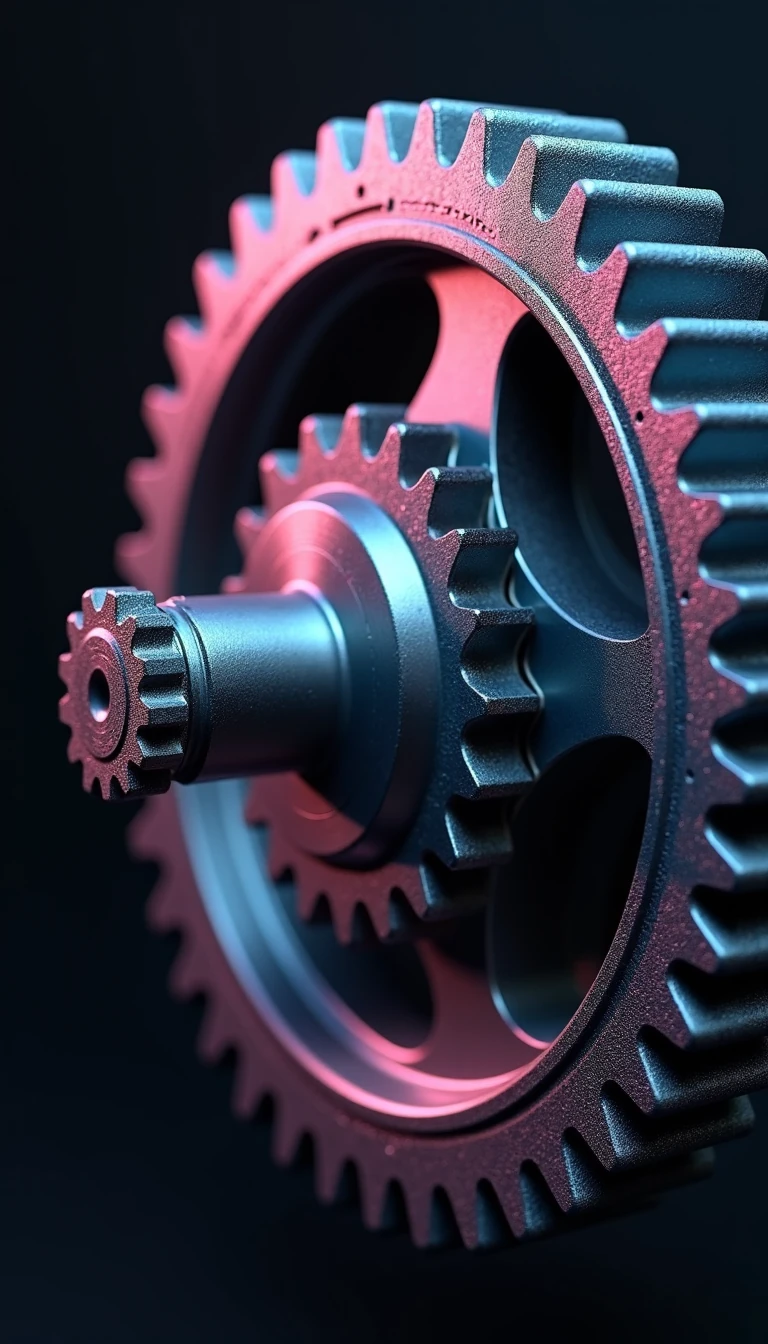
In short: An open differential is the standard for most cars, but it has a fatal flaw: it sends all power to the wheel with the least traction. A limited-slip differential solves this by forcing power to both wheels, ensuring you keep moving even when one tire is on ice or spinning freely.
The primary limitation of a standard open differential is its inability to manage torque when traction is uneven. Because an open differential always provides equal torque to both wheels, a tire on a slippery surface—like ice—will spin uncontrollably while the wheel with actual grip remains stationary. This effectively leaves the vehicle stranded, as the engine's power is entirely absorbed by the spinning, low-traction wheel. A limited-slip differential (LSD) corrects this by incorporating a mechanism that resists the relative speed difference between the two output shafts, ensuring that power is distributed more effectively to the wheel that can actually use it.
Mechanical LSDs generally fall into two categories: torque-sensitive and speed-sensitive. Torque-sensitive designs, such as clutch-based or geared systems like the Torsen T-1, use the engine's input torque to press internal components together, increasing coupling as more power is applied. These are highly favored in performance driving, including drifting and muscle car applications, where maintaining stability is paramount. Conversely, speed-sensitive systems, such as viscous couplings, rely on the difference in rotation speed between the wheels. These use high-viscosity silicone fluids that thicken under heat and friction to limit slip, offering a smoother, more forgiving experience for the average driver, though they can lose effectiveness over time.
The history of these systems is marked by a flurry of marketing names, such as Positraction, Twin Traction, and Sure-Grip, which emerged as U.S. automakers vied for dominance in the 1950s and 1960s. While Ferdinand Porsche commissioned an early design from ZF in 1935 to manage the immense power of Grand Prix cars, it was the muscle car era that cemented the technology's popularity. Today, modern iterations even include computer-regulated hydraulic systems, demonstrating that the quest to balance power delivery and traction remains a central challenge in automotive engineering.
Opens the Intellect+ feed with this card first. Swipe up for the next one.
Sources
- Summary by Intellect · source: Limited-slip differential
To cite this card, link to https://intellectplus.co.uk/app/technology-limited-slip-differential.
How we source, check and correct cards: Editorial standards.
General information, not professional advice. Spotted an error? Flag the card or see corrections and complaints.
Intellect Plus is a visual educational discovery platform for exploring fascinating facts and ideas. Brain Food, Not Brain Rot. What is Intellect Plus?
Related
More in Cars · More in Technology · Latest · A–Z · All topics
