Did modern humans evolve globally or just replace everyone else from an African base?
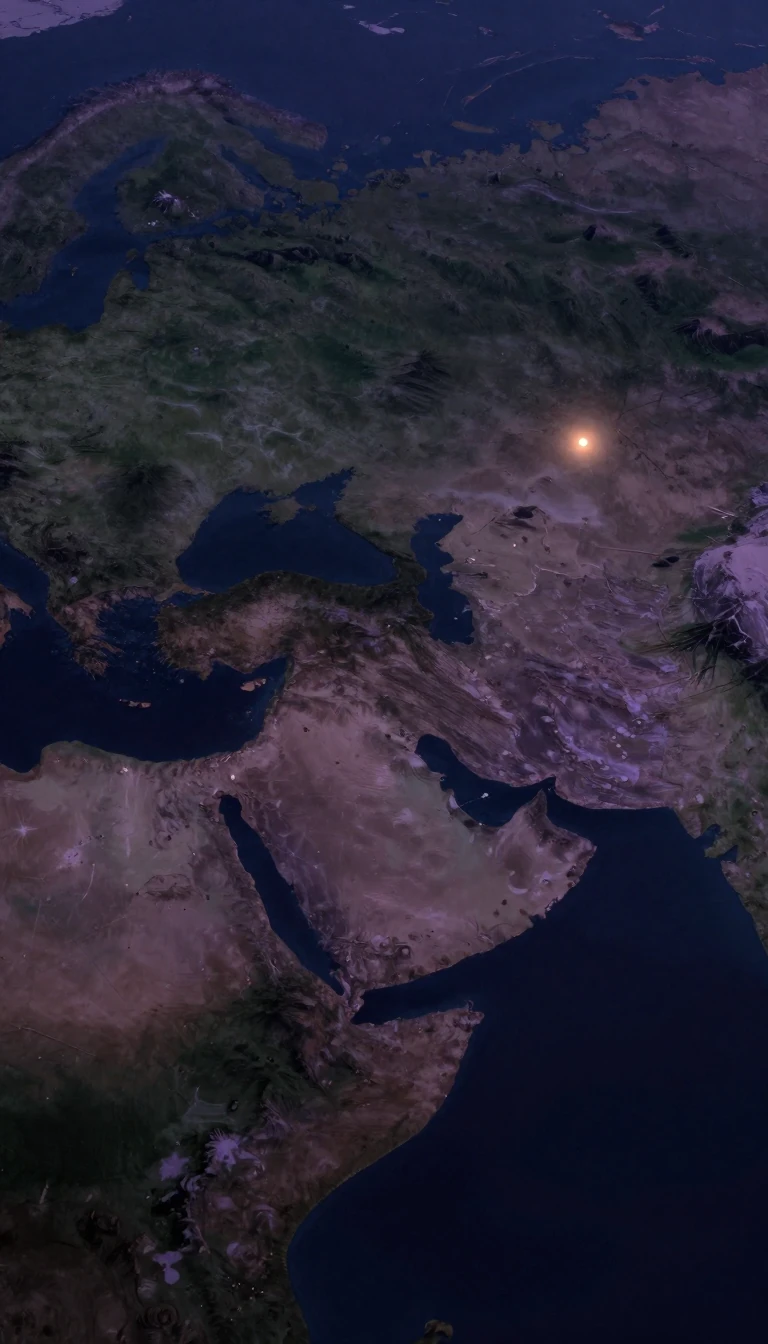
In short: The multiregional hypothesis suggests humans evolved as a single, continuous species across the globe for two million years. While the African replacement model remains the dominant scientific view, genetic evidence of ancient interbreeding has complicated the story, forcing a re-evaluation of how our ancestors truly populated the planet.
The multiregional hypothesis, formulated in 1984 by researchers including Milford H. Wolpoff, Alan Thorne, and Xinzhi Wu, posits that human evolution occurred as a single, global process. Proponents argue that archaic forms like Homo erectus, Neanderthals, and Denisovans are part of a continuous lineage that evolved into modern Homo sapiens. This model relies on the concept of clinal variation, where genetic drift, gene flow, and natural selection allowed populations to maintain regional morphological differences while evolving together as one species throughout the Pleistocene.
In contrast, the widely accepted African replacement model suggests modern humans emerged in Africa between 100,000 and 200,000 years ago before expanding globally around 50,000 to 60,000 years ago. This theory initially gained prominence due to mitochondrial DNA studies, such as the 1987 analysis by Cann et al., which traced human lineages to a common African ancestor. Critics of the multiregional view argue that regional skeletal traits are often primitive features found elsewhere, rather than evidence of unique, continuous lineages in places like China, Europe, or Australia.
The debate has shifted as genomic data reveals a more nuanced history. While early studies supported a total replacement, later research by Alan Templeton in 2005 analyzed 25 chromosomal regions and identified over 34 instances of gene flow between Africa and Eurasia, rejecting complete replacement with high statistical certainty. Furthermore, direct DNA analysis of Neanderthals and Denisovans has confirmed that these archaic groups contributed to the genomes of modern humans outside Africa. Today, the multiregional model has evolved into a weaker variant that acknowledges a significant African role, aligning more closely with assimilation models that recognize both a recent African origin and limited interbreeding with local archaic populations.
Opens the Intellect+ feed with this card first. Swipe up for the next one.
Sources
- Summary by Intellect · source: Multiregional origin of modern humans
To cite this card, link to https://intellectplus.co.uk/app/technology-multiregional-origin-of-modern-humans.
How we source, check and correct cards: Editorial standards.
General information, not professional advice. Spotted an error? Flag the card or see corrections and complaints.
Intellect Plus is a visual educational discovery platform for exploring fascinating facts and ideas. Brain Food, Not Brain Rot. What is Intellect Plus?
Related
More in Science · Latest · A–Z · All topics
