Human evolution was a complex web rather than a simple linear progression
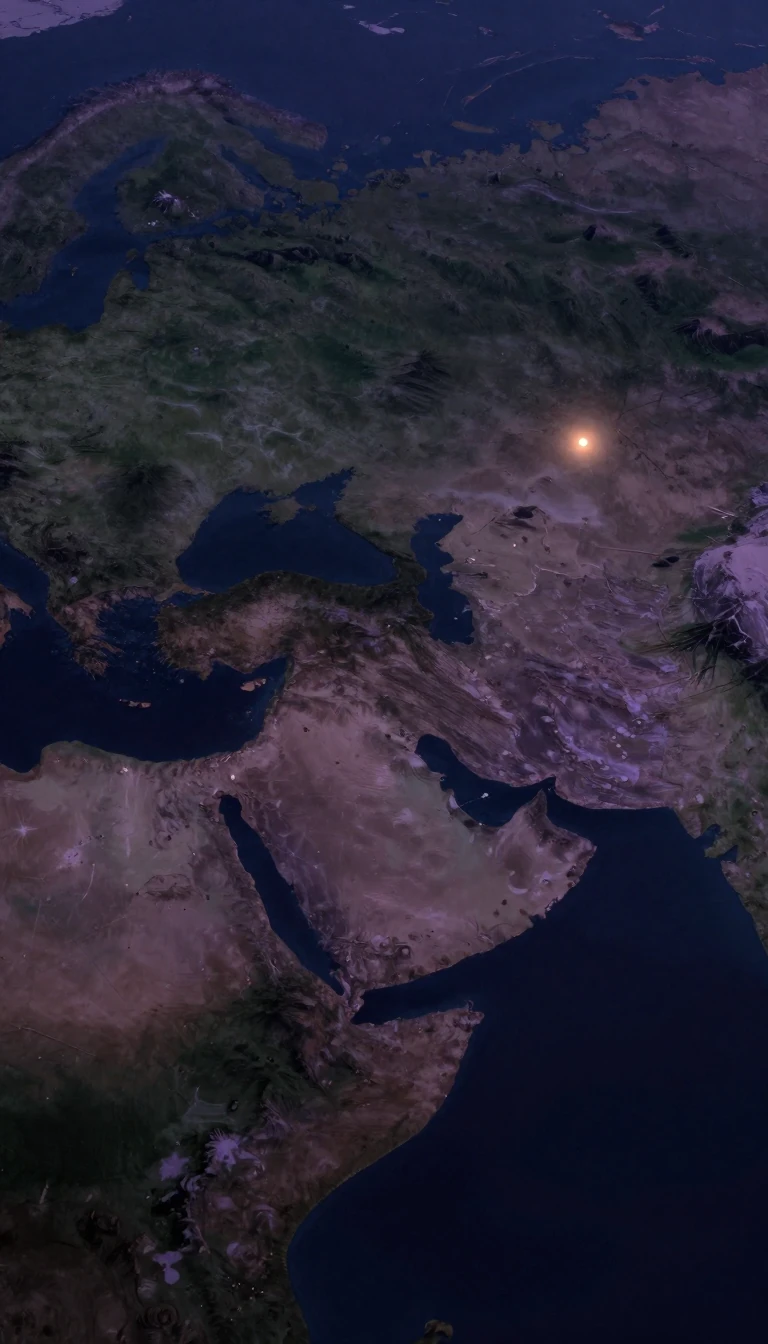
In short: A review of fossil and genetic evidence suggests that the history of Homo sapiens was far more intricate than a straight line of progress. By examining various Middle Pleistocene specimens, researchers found that early members of our species exhibited significant morphological variation and overlapped with different 'archaic' human forms.
The analysis compares skeletal features from fossils like Omo Kibish and Jebel Irhoud with genetic data indicating a much older common ancestor with Neanderthals. This suggests that the African fossil record likely contains early lineage members that lack the full suite of modern traits. However, the study is a review of existing morphological and genetic data rather than a new primary excavation.
Why it matters: Our species did not emerge in a straight line, but through a complex period of overlapping human forms.
Opens the Intellect+ feed with this card first. Swipe up for the next one.
Sources
- Summary by Intellect · source: Research: Stringer (2016). The origin and evolution of Homo sapiens. Philosophical Transactions of the Royal Society B Biological Sciences.
To cite this card, link to https://intellectplus.co.uk/app/culture-research-human-evolution-was-a-complex-web-rather-than-a-simple-linea.
How we source, check and correct cards: Editorial standards.
General information, not professional advice. Spotted an error? Flag the card or see corrections and complaints.
Intellect Plus is a visual educational discovery platform for exploring fascinating facts and ideas. Brain Food, Not Brain Rot. What is Intellect Plus?
Related
More in Ancient peoples · More in Cultures · Latest · A–Z · All topics
