Nuclear engineering is far more than just power plants and atomic weapons
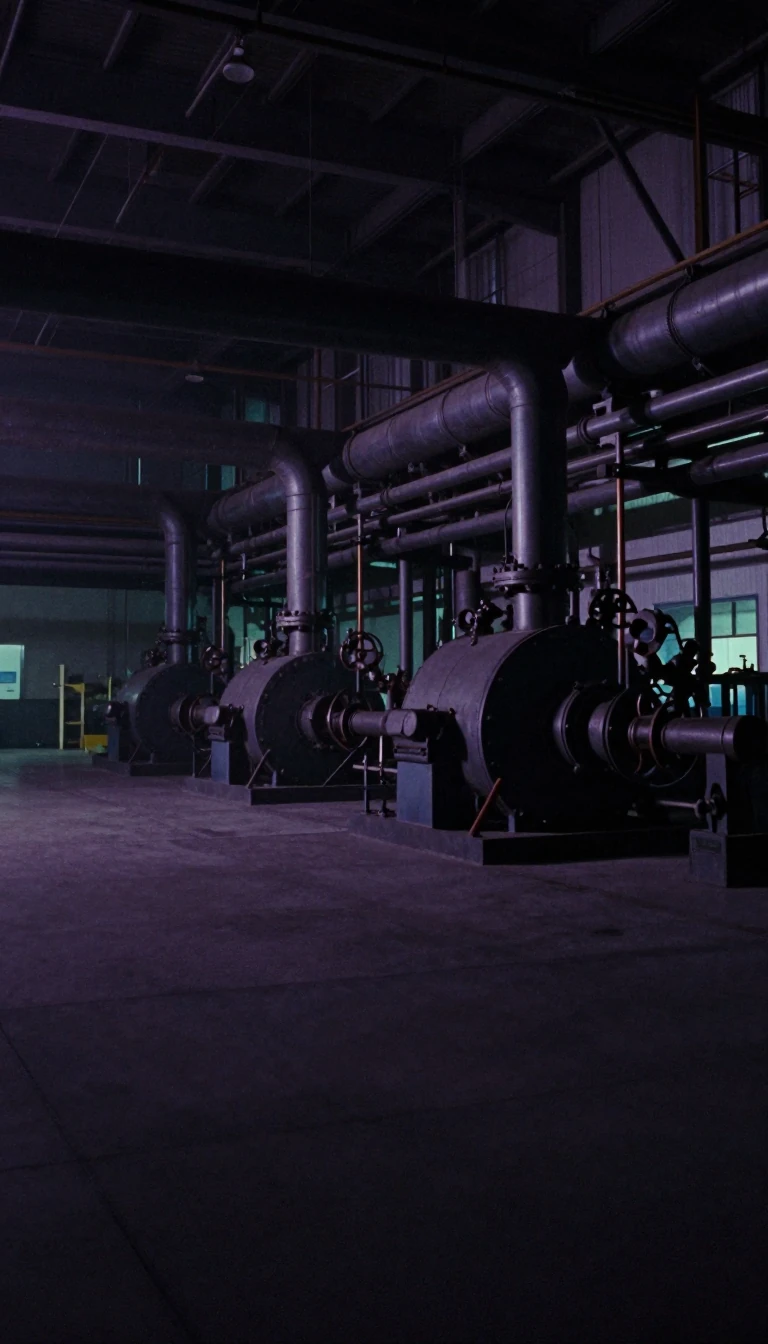
In short: While the discipline was born from the race to build weapons during World War II, modern nuclear engineering is a multifaceted field. It encompasses everything from medical diagnostics and deep-space exploration to the complex science of fusion, proving that the atom's potential extends well beyond simple electricity generation.
Nuclear engineering emerged as a distinct discipline in the mid-20th century, catalyzed by the 1939 discovery of nuclear fission by Otto Hahn and Fritz Strassmann. The urgency of World War II and the Manhattan Project, led by Enrico Fermi, accelerated the creation of the first artificial nuclear reactor, Chicago Pile No. 1, in 1942. Initially, these efforts focused on plutonium production for weaponry, but the post-war development of nuclear-powered submarines and the subsequent push for peaceful energy applications transformed the field. By the 1950s and 1960s, academic programs were established at institutions like the University of Michigan and Pennsylvania State University to train the next generation of specialists.
At its core, the field relies on fundamental physics and mathematics to manage nuclear interactions, radiation transport, and neutron behavior. Because nuclear systems are often too large or expensive for traditional testing, engineers rely heavily on sophisticated modeling and simulation. The work involves a deep understanding of heat transfer, fluid flow, and material science, as components must endure extreme conditions within reactors. Professionals in this sector design, operate, and eventually decommission facilities, ensuring safety through rigorous adherence to radiation protection protocols and complex regulatory frameworks.
Beyond power generation, the scope of nuclear engineering is vast. It includes the generation of radionuclides for medical imaging and treatment, the development of power sources for deep-space probes, and contributions to particle physics at facilities like the Large Hadron Collider. As the field matures, some departments have rebranded to include 'nuclear science' or 'radiological sciences' to better reflect this breadth. Whether managing the nuclear fuel cycle or exploring fusion energy, the discipline remains vital for modern industry, national security, and scientific research, requiring a blend of technical expertise and meticulous attention to detail.
Opens the Intellect+ feed with this card first. Swipe up for the next one.
Sources
- Summary by Intellect · source: Nuclear engineering | Power, Safety & Research | Britannica
- Also: Study nuclear engineering | Courses, careers and entry requirements | Prospects.ac.uk
- Also: Nuclear engineering
To cite this card, link to https://intellectplus.co.uk/app/technology-nuclear-engineering.
How we source, check and correct cards: Editorial standards.
General information, not professional advice. Spotted an error? Flag the card or see corrections and complaints.
Intellect Plus is a visual educational discovery platform for exploring fascinating facts and ideas. Brain Food, Not Brain Rot. What is Intellect Plus?
Related
More in Technology: General · More in Technology · Latest · A–Z · All topics
