The hidden logistics of your doorstep: how packages survive the modern delivery gauntlet
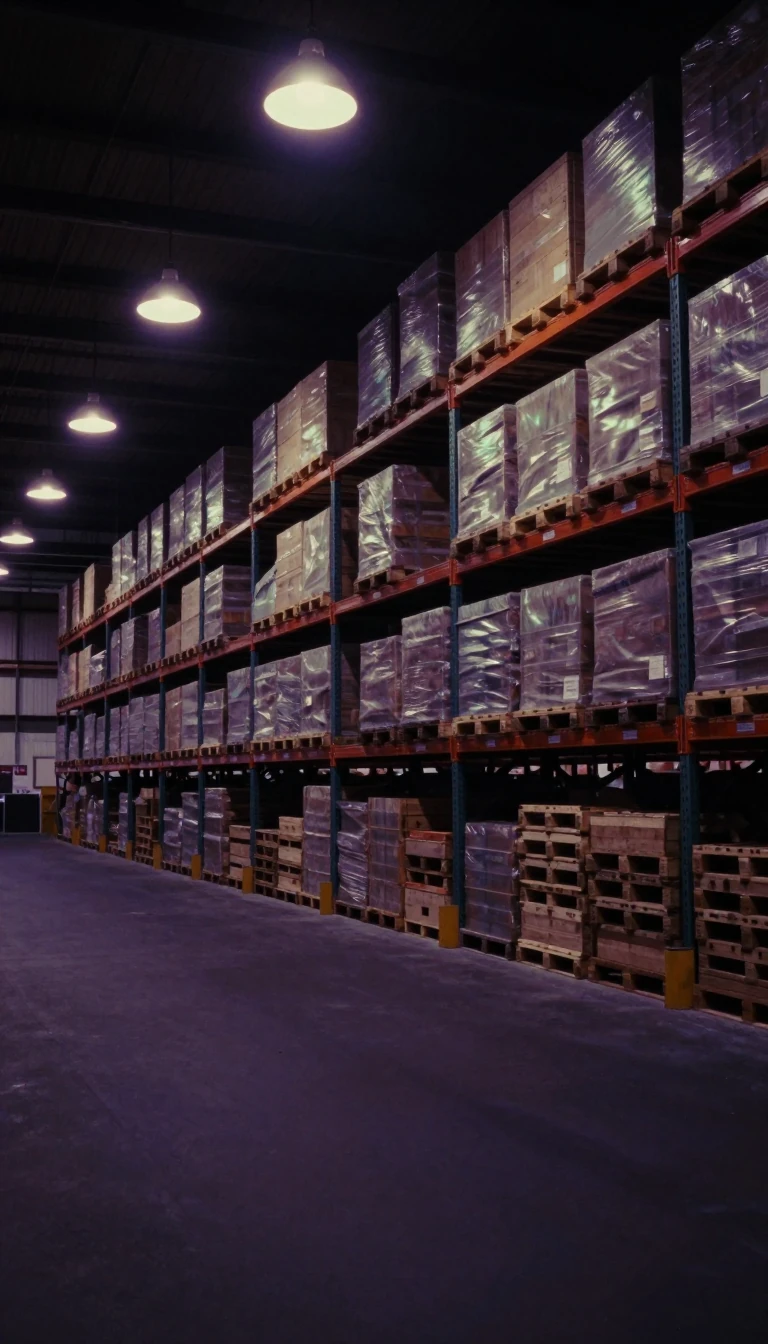
In short: From the 1861 mail-order flannel catalogues to today's complex white-glove networks, package delivery has evolved into a high-stakes engineering challenge. Beyond the speed of transit, your parcels face extreme temperature fluctuations and mechanical stress, requiring sophisticated packaging design and specialized infrastructure to ensure they arrive intact and usable.
The history of package delivery is a story of shifting transport modes and evolving consumer expectations. In the mid-19th century, companies like Wells Fargo dominated overland traffic, often bypassing federal postal services to move gold and financial assets. By 1869, the completion of the transcontinental railroad shifted the industry toward rail-based shipping, which remained the standard until the mid-20th century. The subsequent rise of motor freight and the 1973 introduction of the hub-and-spoke system by FedEx revolutionized the industry, enabling the overnight delivery services that define modern e-commerce.
Today, the final leg of delivery—the last mile—presents unique logistical hurdles. For heavy items like furniture, white-glove services provide specialized handling, including assembly and debris removal. Meanwhile, small parcel carriers utilize automated sorting systems that subject packages to intense mechanical stress. To mitigate damage, engineers design packaging specifically for these hazards, often designating items as ships in own container (SIOC) to reduce waste and improve efficiency. These standards are rigorously tested against protocols like ASTM International D7386.
Environmental factors also pose a significant threat to delivered goods. Items left on porches or in mailboxes are vulnerable to extreme temperatures, which can degrade pharmaceuticals, food, and chemicals. Research indicates that a black-painted steel mailbox can reach 136 °F (58 °C) when the ambient air is only 101 °F (38 °C). To combat this, recipients and carriers employ solutions ranging from high-capacity parcel boxes with security baffles to thermal-controlled packaging and temperature data loggers. As delivery volumes continue to climb, the infrastructure of our homes and the design of our shipments must adapt to protect the integrity of the goods within.
Opens the Intellect+ feed with this card first. Swipe up for the next one.
Sources
- Summary by Intellect · source: Package delivery
To cite this card, link to https://intellectplus.co.uk/app/technology-package-delivery.
How we source, check and correct cards: Editorial standards.
General information, not professional advice. Spotted an error? Flag the card or see corrections and complaints.
Intellect Plus is a visual educational discovery platform for exploring fascinating facts and ideas. Brain Food, Not Brain Rot. What is Intellect Plus?
Related
More in Machinery and tools · More in Technology · Latest · A–Z · All topics
