The Palouse hills are not dunes, but a massive, wind-blown geological puzzle
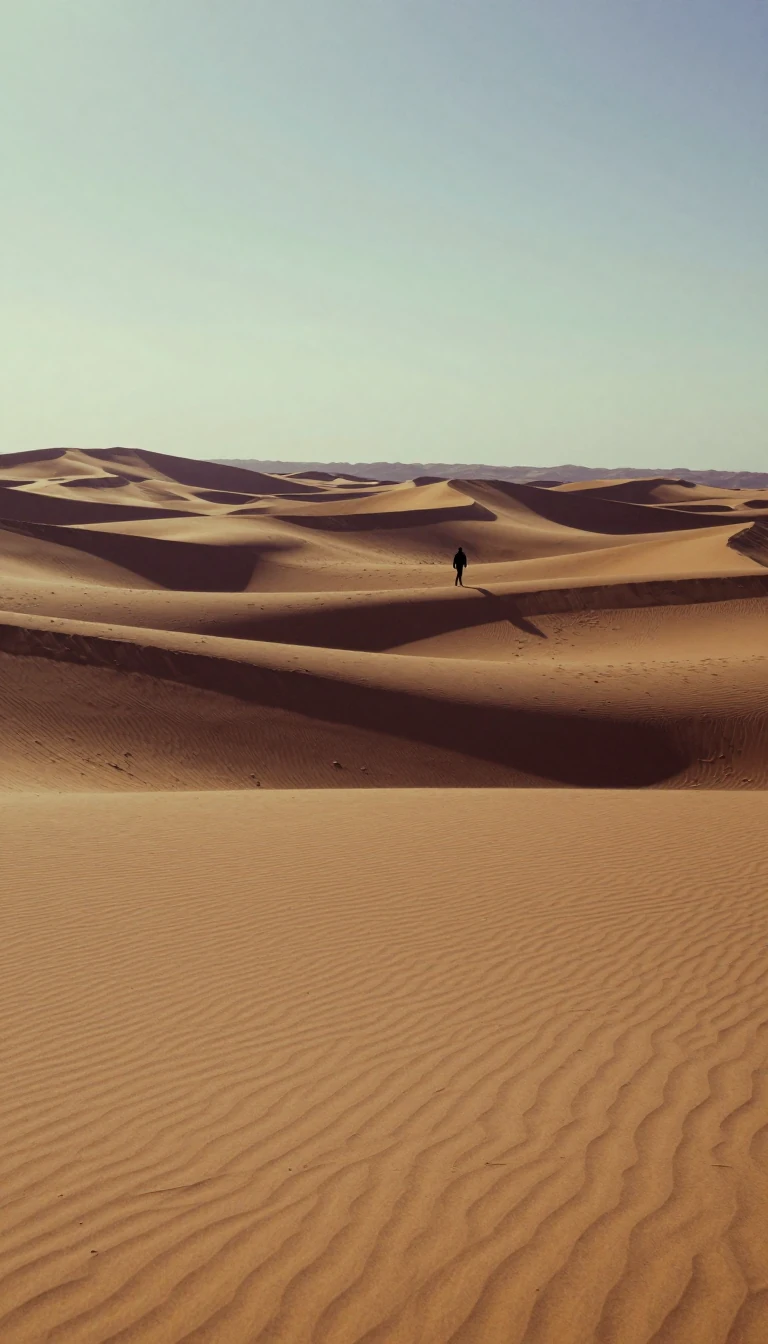
In short: The rolling, picturesque hills of the Palouse region in the Pacific Northwest look like giant sand dunes, but they are something entirely different. Formed by ancient wind-blown silt, these hills hold a complex history of climate cycles and soil development that stretches back over a million years.
The Palouse landscape is defined by its loess hills, a fine-grained mantle of sediment that covers over 50,000 square kilometers across Washington, Idaho, and Oregon. While they appear similar to dunes, they lack the cross-bedding patterns typical of wind-driven sand. Instead, the hills are composed of alternating layers of loess and calcrete, a structure that confirms they accumulated through the slow, steady airfall of silt over millennia. This process was punctuated by long periods of weathering and soil formation, with the oldest layers dating back between 2 and 1 million years.
The origin of this sediment is tied to the catastrophic Missoula floods. These floods deposited fine-grained materials in the Eureka Flats area, which were then picked up by the wind and deposited across the Columbia Plateau. Detailed dating shows the most recent layer accumulated between 15,000 years ago and the present, while the layer beneath it formed episodically between 77,000 and 16,000 years ago. The entire formation is constantly being homogenized by the activity of plant roots and insects, further cementing its unique character.
This geological foundation supported a vast prairie ecosystem dominated by perennial grasses. Today, however, this native habitat is among the most threatened in the United States, with less than one percent of the original prairie remaining. Since 1900, the vast majority of these grasslands and wetlands have been converted to agricultural use. While the region is now a powerhouse for wheat and lentil production, the shift from perennial grasses to annual crops has fundamentally altered the local hydrology, leading to increased erosion and the drying of once-perennial streams.
Opens the Intellect+ feed with this card first. Swipe up for the next one.
Sources
- Summary by Intellect · source: Palouse
To cite this card, link to https://intellectplus.co.uk/app/technology-palouse.
How we source, check and correct cards: Editorial standards.
General information, not professional advice. Spotted an error? Flag the card or see corrections and complaints.
Intellect Plus is a visual educational discovery platform for exploring fascinating facts and ideas. Brain Food, Not Brain Rot. What is Intellect Plus?
Related
More in Machinery and tools · More in Technology · Latest · A–Z · All topics
