The humble pallet is the invisible engine driving the global economy and modern logistics.
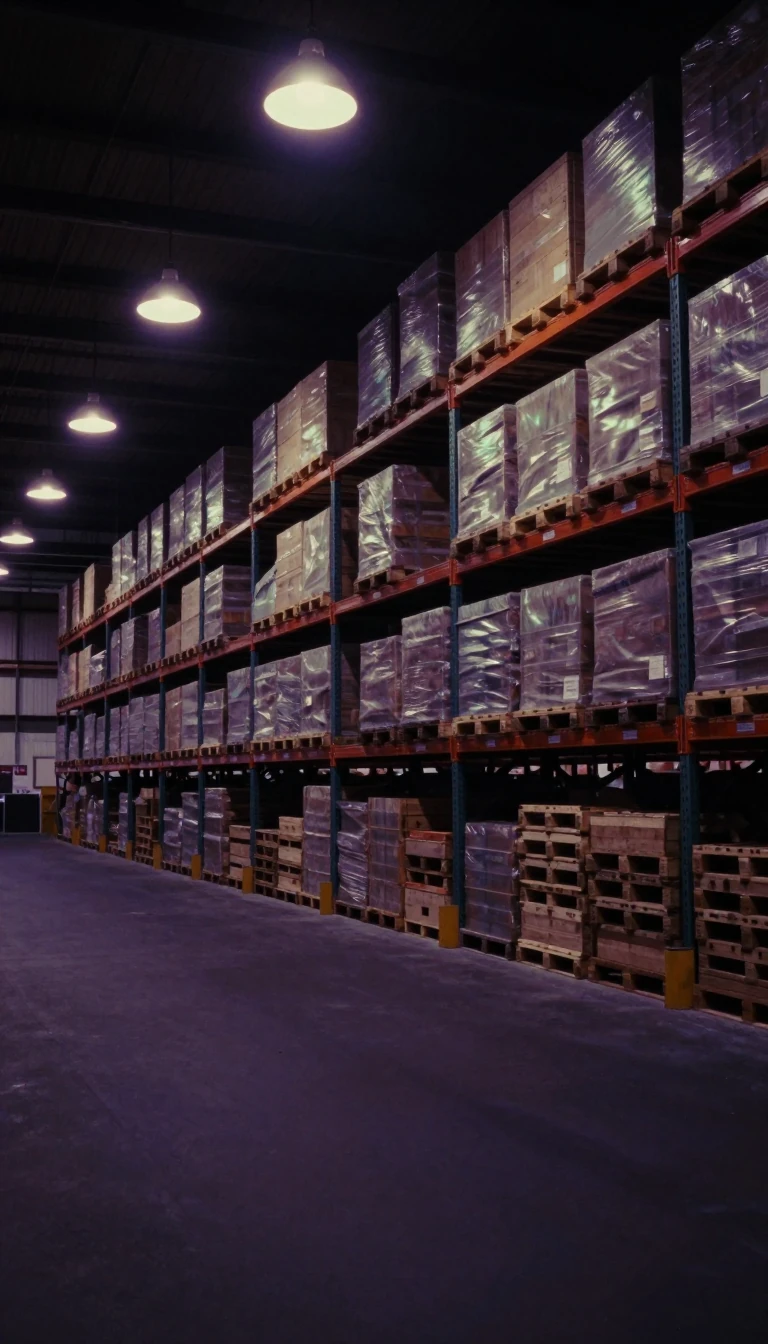
In short: Half a billion pallets are manufactured annually, serving as the structural foundation for nearly everything we consume. While they appear to be simple wooden platforms, they are highly engineered tools that dictate the efficiency of global trade, warehouse design, and the safety of the goods arriving at your doorstep.
Though their ancestors date back to Ancient Egypt and Mesopotamia, the modern pallet emerged from the logistical pressures of the 20th century. The invention of the forklift and the urgent demands of World War II transformed the pallet from a simple skid into a standardized unit load. Today, these platforms are categorized into two primary designs: stringer pallets, which use parallel timber supports, and block pallets, which allow for four-way entry by pallet jacks.
The lack of a single international standard remains a significant hurdle for global trade. While the North American 48-inch by 40-inch GMA pallet is a dominant force, hundreds of different dimensions exist worldwide to accommodate specific building doorways and container sizes. This fragmentation creates ongoing costs, as businesses must balance the price of expendable softwood pallets against the durability of reusable plastic, metal, or engineered paper alternatives. The choice of material is often dictated by the environment; for instance, stainless steel is preferred in clean rooms, while plastic is favored for its sanitization capabilities.
Beyond mere dimensions, the pallet industry is governed by strict biological and mechanical regulations. To prevent the spread of invasive species, the International Plant Protection Convention mandates ISPM 15 standards, requiring wood to be heat-treated or fumigated. Meanwhile, manufacturers use sophisticated software to optimize designs for load-bearing and cost-efficiency. As supply chains evolve, the integration of RFID chips and the shift toward reusable materials highlight a move toward smarter, more sustainable logistics. Despite their ubiquity, pallets are far from static; they are constantly being refined to handle heavier loads, integrate with automated warehouses, and minimize the waste inherent in moving the world's goods.
Opens the Intellect+ feed with this card first. Swipe up for the next one.
Sources
- Summary by Intellect · source: Pallet
To cite this card, link to https://intellectplus.co.uk/app/nature-pallet.
How we source, check and correct cards: Editorial standards.
General information, not professional advice. Spotted an error? Flag the card or see corrections and complaints.
Intellect Plus is a visual educational discovery platform for exploring fascinating facts and ideas. Brain Food, Not Brain Rot. What is Intellect Plus?
Related
More in Physical geography · More in Nature · Latest · A–Z · All topics
