Passive House is not just a style, but a rigorous, measurable engineering standard.
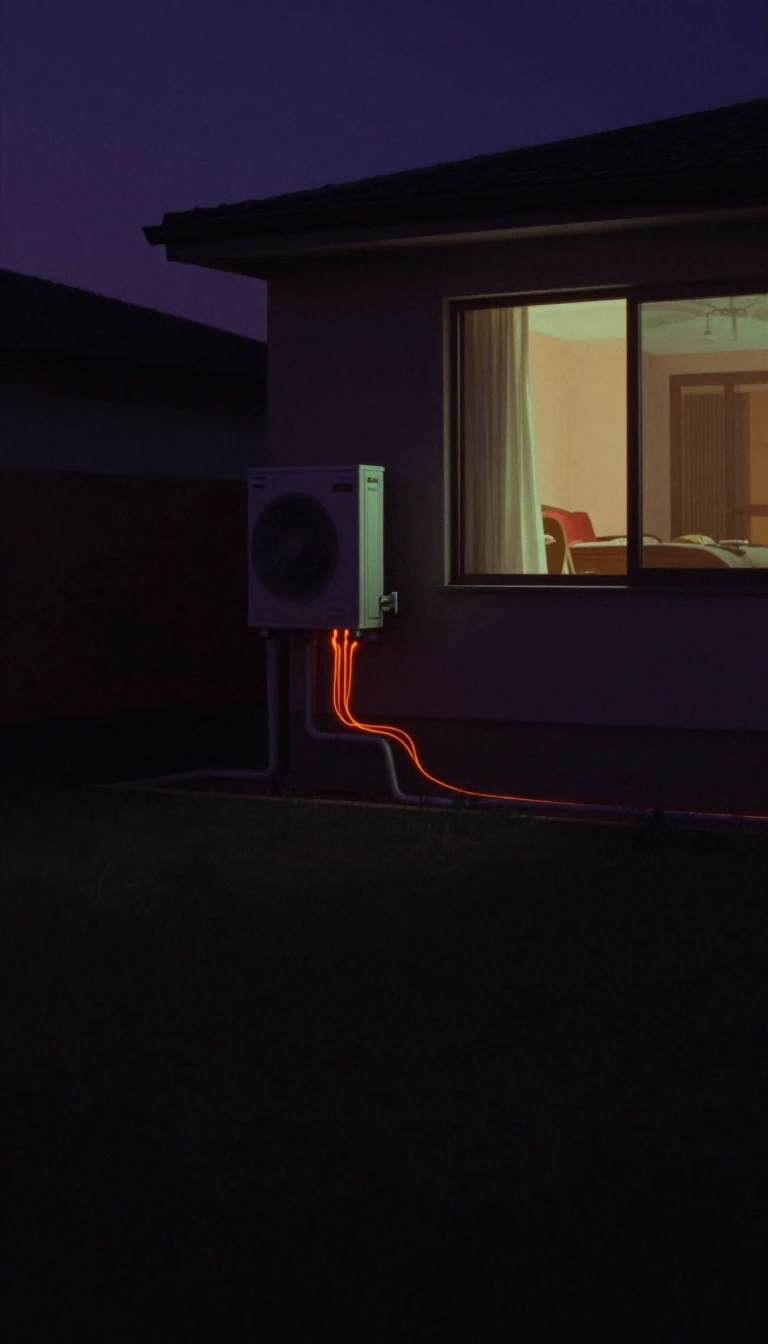
In short: Forget the aesthetic of solar panels or rustic wood. A Passive House is a high-performance machine designed to slash energy consumption by up to 95 percent. By prioritizing airtight envelopes and thermal efficiency over active heating systems, this building standard is quietly transforming how we construct everything from schools to skyscrapers.
The Passive House standard, or Passivhaus, originated from a 1988 collaboration between Bo Adamson and Wolfgang Feist. Unlike earlier 1970s experiments that focused primarily on passive solar strategies, the modern standard is defined by strict, quantified performance criteria. These include specific limits on annual space heating demand, airtightness measured via blower-door tests, and the use of mechanical ventilation systems with heat recovery. The first buildings to meet these rigorous requirements were completed in Darmstadt-Kranichstein between 1990 and 1991.
Today, the Passive House Institute (PHI) oversees a global network of certified projects, with over 47,400 units registered by January 2025. The approach has scaled significantly, evidenced by the massive Railway City development in Gaobeidian, China, and the 88-meter Bolueta tower in Bilbao, Spain. In North America, the landscape is split between the original PHI standard and PHIUS+, a climate-specific certification system that optimizes performance targets for local conditions, reflecting a shift toward broader, more flexible adoption.
While critics sometimes worry that such homes restrict occupant behavior, data suggests the performance is robust. Construction cost premiums typically range from 5 to 10 percent, though these are often offset by the elimination of conventional HVAC systems and lower long-term operating costs. Retrofitting existing structures is possible but expensive; however, even partial upgrades can yield massive improvements in energy efficiency. As supply chains mature and experience grows, the industry is moving toward cost parity with standard code-compliant buildings, proving that extreme efficiency can be a standard, rather than a luxury.
Opens the Intellect+ feed with this card first. Swipe up for the next one.
Sources
- Summary by Intellect · source: Passive house
To cite this card, link to https://intellectplus.co.uk/app/technology-passive-house.
How we source, check and correct cards: Editorial standards.
General information, not professional advice. Spotted an error? Flag the card or see corrections and complaints.
Intellect Plus is a visual educational discovery platform for exploring fascinating facts and ideas. Brain Food, Not Brain Rot. What is Intellect Plus?
Related
More in Industry · More in Technology · Latest · A–Z · All topics
