The Pergamon Altar: A monumental Hellenistic masterpiece once dismissed as a mere quarry
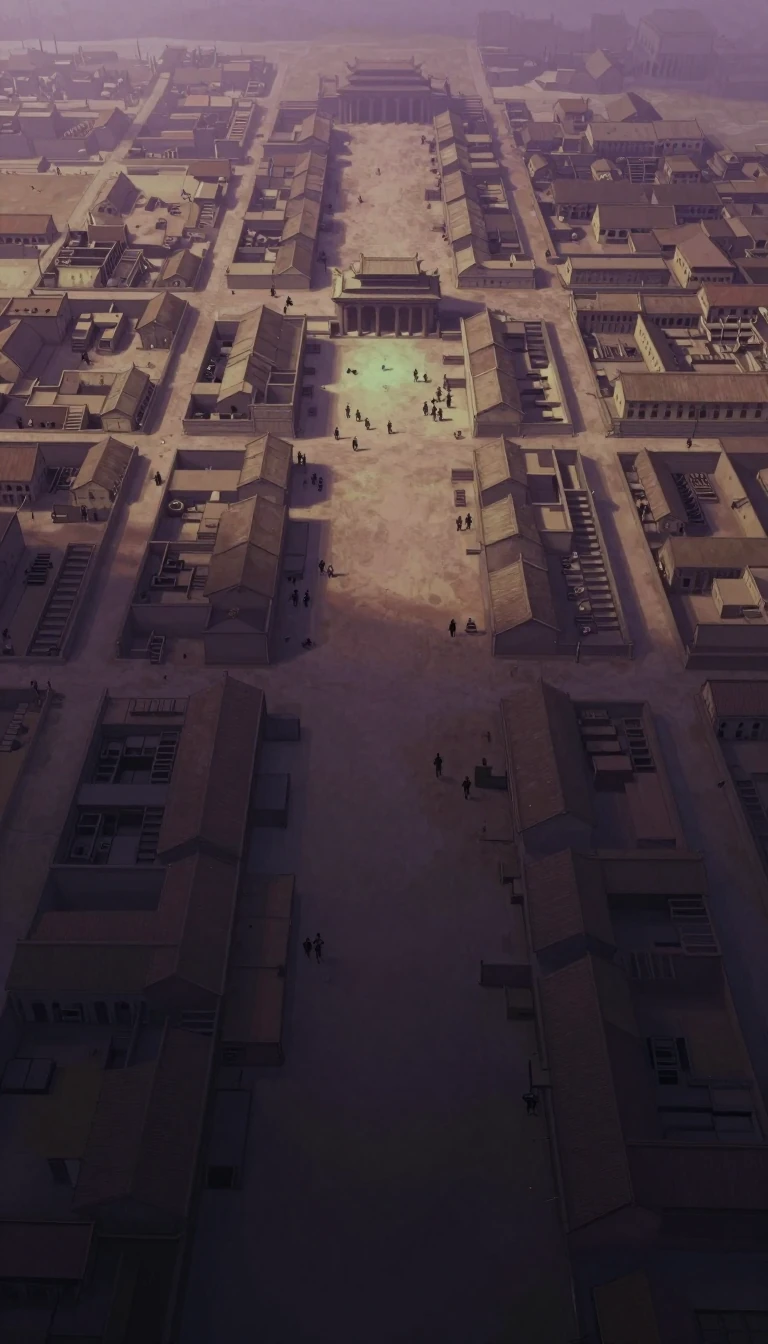
In short: Built in the 2nd century BC, this massive marble structure was once considered one of the Seven Wonders of the Ancient World. Today, it sits in Berlin, but its origins, purpose, and even the identity of the gods it honored remain subjects of intense scholarly debate and modern geopolitical tension.
The Pergamon Altar was a colossal Hellenistic construction erected on the acropolis of Pergamon in modern-day Turkey during the first half of the 2nd century BC. Measuring approximately 35.74 meters wide and 33.4 meters deep, the structure featured a grand western stairway and a base adorned with the Gigantomachy, a high-relief frieze depicting the battle between Olympian gods and Giants. An inner court wall contained a second frieze detailing the life of Telephus, the city's legendary founder. Despite its scale, the altar was not a temple but likely a sacrificial site, possibly dedicated to Zeus and Athena.
The altar's history is marked by destruction and rediscovery. In the 7th century, the acropolis was fortified against Arab incursions, leading to the partial dismantling of the altar for building materials. By the 19th century, local inhabitants were burning its marble for lime. German engineer Carl Humann initiated official excavations between 1878 and 1886, eventually transferring the panels to Berlin. The current museum display, completed in 1930, was delayed by World War I and hyperinflation. Following World War II, the fragments were seized by the Red Army as war trophies and held in Leningrad until 1958, before returning to East Germany in 1959.
Scholarly consensus on the altar remains elusive. While some once linked it to specific military victories, such as Eumenes II's defeat of the Galatians in 166 BC, others argue it was a general votive offering. The lack of contemporary written records—save for a brief mention by the Roman Lucius Ampelius—has fueled diverse interpretations, including the controversial theory that it is the 'Seat of Satan' mentioned in the Book of Revelation. Today, the Turkish government has occasionally requested the return of the artifacts, though major European and American museums generally maintain that such antiquities should remain where they are currently housed.
Technically, the altar was an engineering marvel for its time. Its foundation utilized a grid of tuff walls to provide stability against earthquakes, a feature still visible at the original site. The structure utilized grey-veined marble from the island of Marmara and darker, fossil-inclusive marble from Lesbos-Moria. Despite its artistic significance, the altar's history is a reminder of how cultural heritage can be fragmented by war, shifting political borders, and the evolving priorities of archaeological preservation.
Opens the Intellect+ feed with this card first. Swipe up for the next one.
Sources
- Summary by Intellect · source: Pergamon Altar
To cite this card, link to https://intellectplus.co.uk/app/technology-pergamon-altar.
How we source, check and correct cards: Editorial standards.
General information, not professional advice. Spotted an error? Flag the card or see corrections and complaints.
Intellect Plus is a visual educational discovery platform for exploring fascinating facts and ideas. Brain Food, Not Brain Rot. What is Intellect Plus?
Related
More in Inventions · More in Technology · Latest · A–Z · All topics
