Plants are constantly waging chemical warfare to survive, and we can harness it
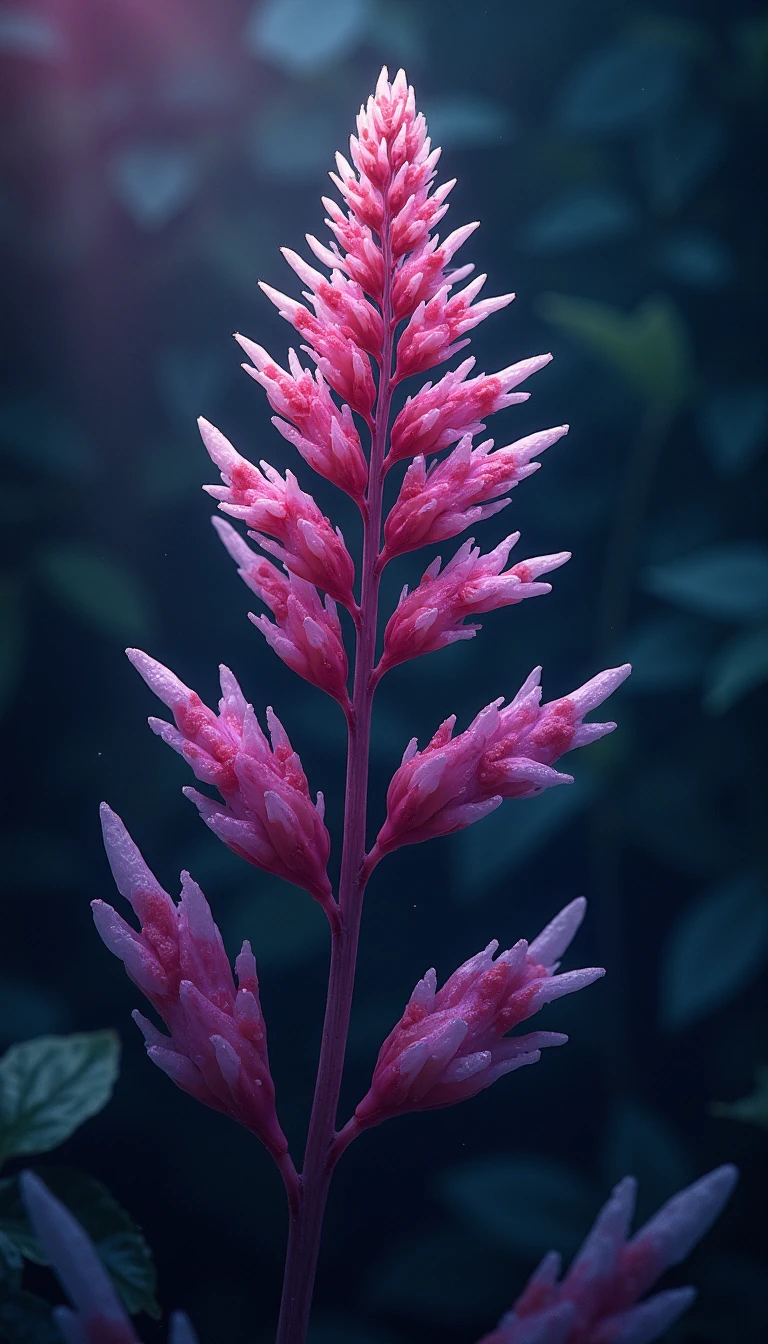
In short: Plants do not just sit there; they actively defend themselves by releasing potent antimicrobial and insecticidal compounds known as phytoncides. Coined in 1928, this term describes the invisible shield plants use to kill or inhibit bacteria, fungi, and insects. Understanding these natural defenses could revolutionize how we store food and treat infections.
The term phytoncide, derived from Greek and Latin roots meaning 'exterminated by the plant,' was introduced by Soviet biochemist Boris P. Tokin in 1928. His research at Moscow State University revealed that plants produce these biologically active substances to prevent rot and deter predators. These compounds are essentially a plant's immune system, with production often surging when the plant sustains an injury. There are over 5,000 known volatile substances that serve this protective function, ranging from simple terpenes to complex glycosides.
Phytoncides are categorized into two types: nonexcretory, found within cell protoplasm, and volatile, which are released into the surrounding air, soil, or water. Common household plants like onions, garlic, and horseradish rely on nonexcretory defenses, while trees such as pine, oak, and eucalyptus emit volatile versions. The potency of these chemicals is remarkable; a single hectare of pine forest can release approximately 5 kg of volatile phytoncides daily. This emission effectively sterilizes the forest air, keeping bacterial counts as low as 200–300 cells per cubic meter.
The mechanism of action varies by species. Some phytoncides act rapidly, neutralizing threats in seconds, while others work over hours to impede pest reproduction or disrupt the autonomic nervous systems of insects. Beyond their ecological role, these compounds are being studied for modern applications. Researchers are exploring their use in protecting perishable produce during storage and as potential treatments for drug-resistant bacteria, such as MRSA and vancomycin-resistant Enterococcus, using specific compounds like sophoraflavanone G.
While phytoncides have long been utilized in traditional medicine across Ukraine, Korea, China, and Japan, their scientific potential is only beginning to be fully mapped. From aromatherapy to large-scale greenhouse protection, the ability to harness these plant-derived defenses offers a promising frontier for medicine and agriculture. By mimicking the natural sterilization processes found in coniferous forests, we may find sustainable ways to manage microbial threats without relying solely on synthetic chemicals.
Opens the Intellect+ feed with this card first. Swipe up for the next one.
Sources
- Summary by Intellect · source: Phytoncide
To cite this card, link to https://intellectplus.co.uk/app/technology-phytoncide.
How we source, check and correct cards: Editorial standards.
General information, not professional advice. Spotted an error? Flag the card or see corrections and complaints.
Intellect Plus is a visual educational discovery platform for exploring fascinating facts and ideas. Brain Food, Not Brain Rot. What is Intellect Plus?
Related
More in Inventions · More in Technology · Latest · A–Z · All topics
