The Porsche 997: How an Evolutionary Sports Car Redefined the 911 Experience
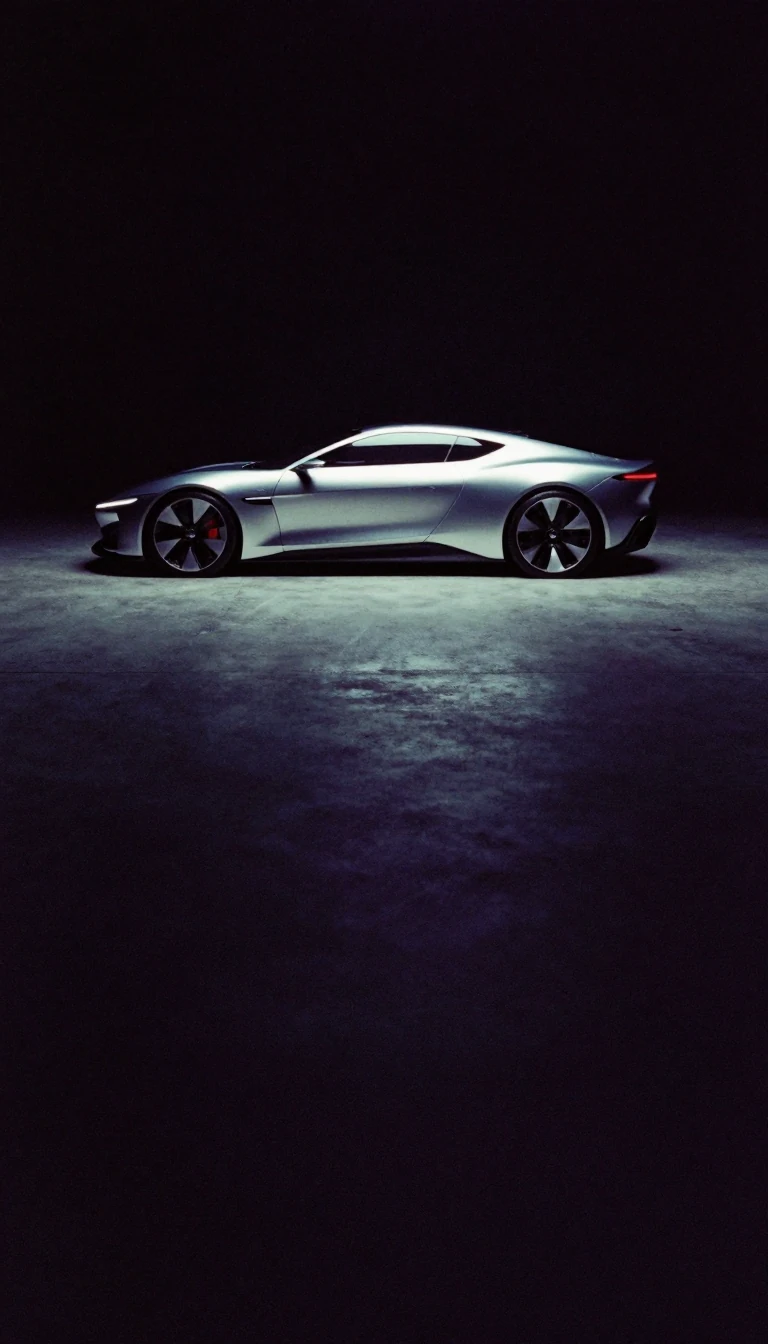
In short: The 997 generation of the Porsche 911 bridged the gap between classic heritage and modern performance. By ditching controversial styling for a return to iconic oval headlights and introducing groundbreaking engineering like Variable Turbine Geometry, Porsche created a machine that critics admitted could stir the soul of even the most hardened skeptic.
Launched in 2004, the 997 was an evolution of the 996, though it felt like a return to form. The most striking change was the abandonment of the 996's 'fried egg' headlamps in favor of traditional oval units. While technically similar to its predecessor, the 997 featured a wider rear body and a re-designed interior that leaned into classic 911 aesthetics. Designers, led by Grant Larson, had been working on the project since late 1998, ensuring the car maintained a low profile with a drag coefficient as low as 0.28.
The 2009 mid-cycle refresh marked a significant technological leap. Porsche introduced direct-injection engines and the PDK dual-clutch transmission, replacing the older Mercedes-sourced Tiptronic system. These updates made the cars faster, lighter, and more fuel-efficient. The Turbo variant saw particularly aggressive upgrades, including an optional torque-vectoring system and the first-ever use of Variable Turbine Geometry (VTG) turbochargers in a production car, which adjusted guide vanes to minimize lag at low speeds.
Performance reached new heights with specialized models like the GT2 and GT3. The 997 GT2, released in 2007, was the most powerful road-going 911 of its time, producing 530 PS and becoming the first 911 to break the 200 mph barrier. Meanwhile, the GT3 focused on track-oriented precision, featuring a high-revving, dry-sump engine that avoided the mechanical issues of earlier iterations. Whether through the 50-unit limited Club Coupé or the high-performance Turbo Cabriolet, the 997 demonstrated that Porsche could refine its engineering while honoring its racing roots.
Beyond raw speed, the 997 was notable for its engineering philosophy. Porsche prioritized the cabriolet’s structural integrity during development, ensuring that the coupé—which followed—benefited from superior rigidity. This attention to detail extended to the Targa models, which utilized a complex glass roof system. By the time production ended in 2013, the 997 had solidified its reputation as a driver-friendly masterpiece that balanced daily usability with the visceral demands of a true sports car.
Opens the Intellect+ feed with this card first. Swipe up for the next one.
Sources
- Summary by Intellect · source: Porsche 911 (997)
To cite this card, link to https://intellectplus.co.uk/app/technology-porsche-911-997.
How we source, check and correct cards: Editorial standards.
General information, not professional advice. Spotted an error? Flag the card or see corrections and complaints.
Intellect Plus is a visual educational discovery platform for exploring fascinating facts and ideas. Brain Food, Not Brain Rot. What is Intellect Plus?
Related
More in Cars · More in Technology · Latest · A–Z · All topics
