How a Mitsubishi patent helped Porsche build its most successful sports car ever
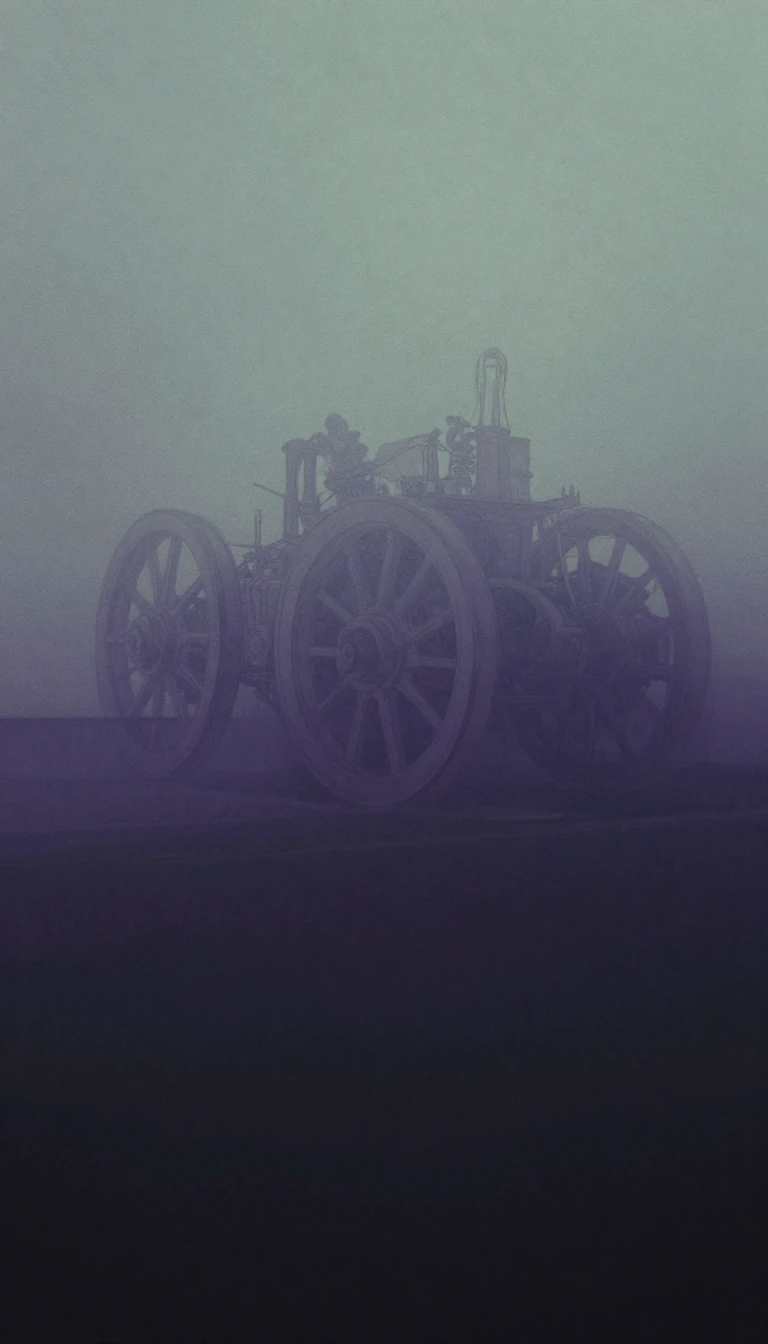
In short: To solve the inherent vibrations of a four-cylinder engine, Porsche engineers turned to a 1904 invention by British engineer Frederick Lanchester. By licensing a balance shaft system from Mitsubishi, Porsche created a smooth, high-performance engine that powered the 944, the most successful sports car in the company's history.
The Porsche 944, produced from 1982 to 1991, was a pivotal model that cemented Porsche's reputation for engineering excellence in the entry-level sports car market. With over 163,000 units manufactured, it held the title of Porsche's most successful sports car until the arrival of the Boxster and 997 Carrera. The vehicle was built on the front-engine, rear-wheel-drive platform originally developed for the 924, a project that had its roots in a complicated joint venture between Porsche, Volkswagen, and Audi.
At the heart of the 944 was a 2.5-liter inline-four engine, which Porsche designed to be both fuel-efficient and compact. Because inline-four engines are prone to secondary vibrations, Porsche needed a solution to ensure the refinement expected of a luxury sports car. They turned to counter-rotating balance shafts—a technology invented in 1904 by Frederick Lanchester and later patented by Mitsubishi Motors in 1975. Rather than reinventing the wheel, Porsche opted to pay licensing fees of approximately US$7–8 per car, a cost passed on to consumers, to ensure the engine felt as smooth as a six-cylinder unit.
The 944 evolved significantly throughout its decade-long lifespan. It introduced innovations like the Motronic engine management system and, in 1987, became the first production car to offer driver and passenger airbags as standard equipment on its Turbo variant. The car's performance was further pushed by the 944 Turbo S, which featured a 250 PS engine, and the 944 S2, which boasted a 3.0-liter engine—the largest production four-cylinder of its time. By 1990, engineers began developing an 'S3' evolution, but the scope of the changes was so vast that Porsche decided to rebrand the vehicle as the 968, marking the end of the 944 era in 1991.
Opens the Intellect+ feed with this card first. Swipe up for the next one.
Sources
- Summary by Intellect · source: Porsche 944
To cite this card, link to https://intellectplus.co.uk/app/technology-porsche-944.
How we source, check and correct cards: Editorial standards.
General information, not professional advice. Spotted an error? Flag the card or see corrections and complaints.
Intellect Plus is a visual educational discovery platform for exploring fascinating facts and ideas. Brain Food, Not Brain Rot. What is Intellect Plus?
Related
More in Cars · More in Technology · Latest · A–Z · All topics
