How Porsche transformed its mid-engine platform into a generation of performance icons
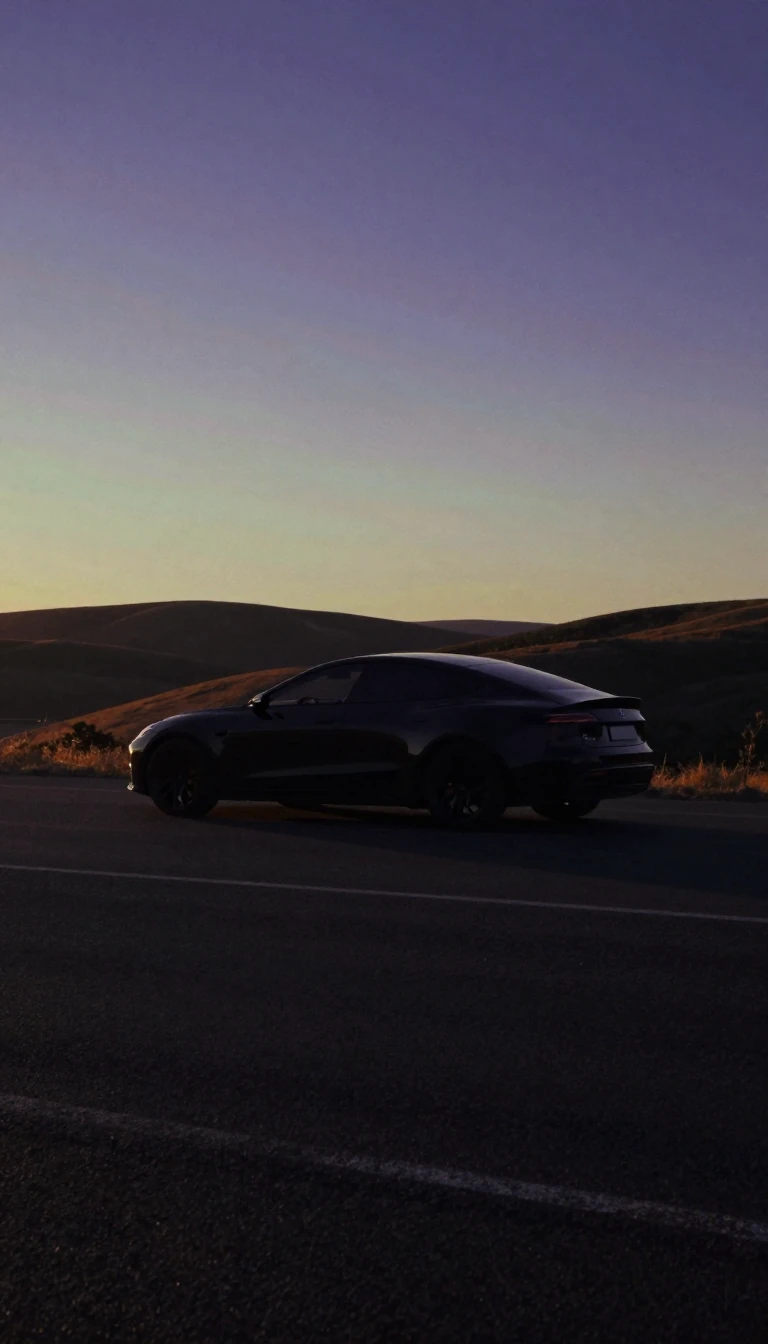
In short: The 987 generation redefined Porsche's mid-engine lineup, spawning the Boxster roadster and the Cayman fastback. By sharing a platform yet carving out distinct identities, these cars evolved from 2005 debuts into high-performance variants like the lightweight Spyder and the track-focused Cayman R, proving that shared engineering can yield diverse, exceptional results.
Launched in 2005, the 987 generation represented the second iteration of the Boxster, debuting alongside the 911 (997). Porsche engineers utilized a shared mid-engine platform for both the Boxster and the new Cayman coupé, which arrived shortly after. While they shared critical components like doors, headlights, and interior sections, the Cayman distinguished itself with a fixed roof and a hatchback for luggage access. Porsche claimed the 987 Boxster shared only 20% of its parts with its predecessor, marking a significant mechanical departure despite the familiar silhouette.
The 987.2 update in 2009 introduced a major powertrain shift, replacing the earlier engines with new units that eliminated the intermediate shaft—a component previously identified as a weak link. These revised models featured Direct Fuel Injection and the introduction of the 7-speed PDK dual-clutch transmission, replacing the older Tiptronic system. Performance was further pushed by limited editions, such as the 2011 Boxster Spyder and the Cayman R. The Spyder focused on extreme weight reduction, shedding 80 kg compared to the Boxster S by removing items like the radio and air conditioning, while the Cayman R served as the pinnacle of the generation, featuring a 330 PS engine and aggressive aerodynamic enhancements.
Beyond standard production, the 987 platform demonstrated remarkable versatility. Private teams successfully campaigned the Cayman in endurance events like the 2007 Nürburgring 24 Hour race, where they outperformed factory-supported 997 GT3 models. Meanwhile, Porsche explored future propulsion by developing the Boxster E in 2011, a battery-electric prototype that utilized two traction motors to achieve a 0–100 km/h sprint in 5.5 seconds. These diverse applications—from track-focused specials to experimental electric vehicles—cemented the 987's legacy as a cornerstone of modern Porsche engineering.
Opens the Intellect+ feed with this card first. Swipe up for the next one.
Sources
- Summary by Intellect · source: Porsche Boxster and Cayman (987)
To cite this card, link to https://intellectplus.co.uk/app/technology-porsche-boxster-and-cayman-987.
How we source, check and correct cards: Editorial standards.
General information, not professional advice. Spotted an error? Flag the card or see corrections and complaints.
Intellect Plus is a visual educational discovery platform for exploring fascinating facts and ideas. Brain Food, Not Brain Rot. What is Intellect Plus?
Related
More in Cars · More in Technology · Latest · A–Z · All topics
