How did Ancestral Puebloans construct North America's largest buildings before the 19th century?
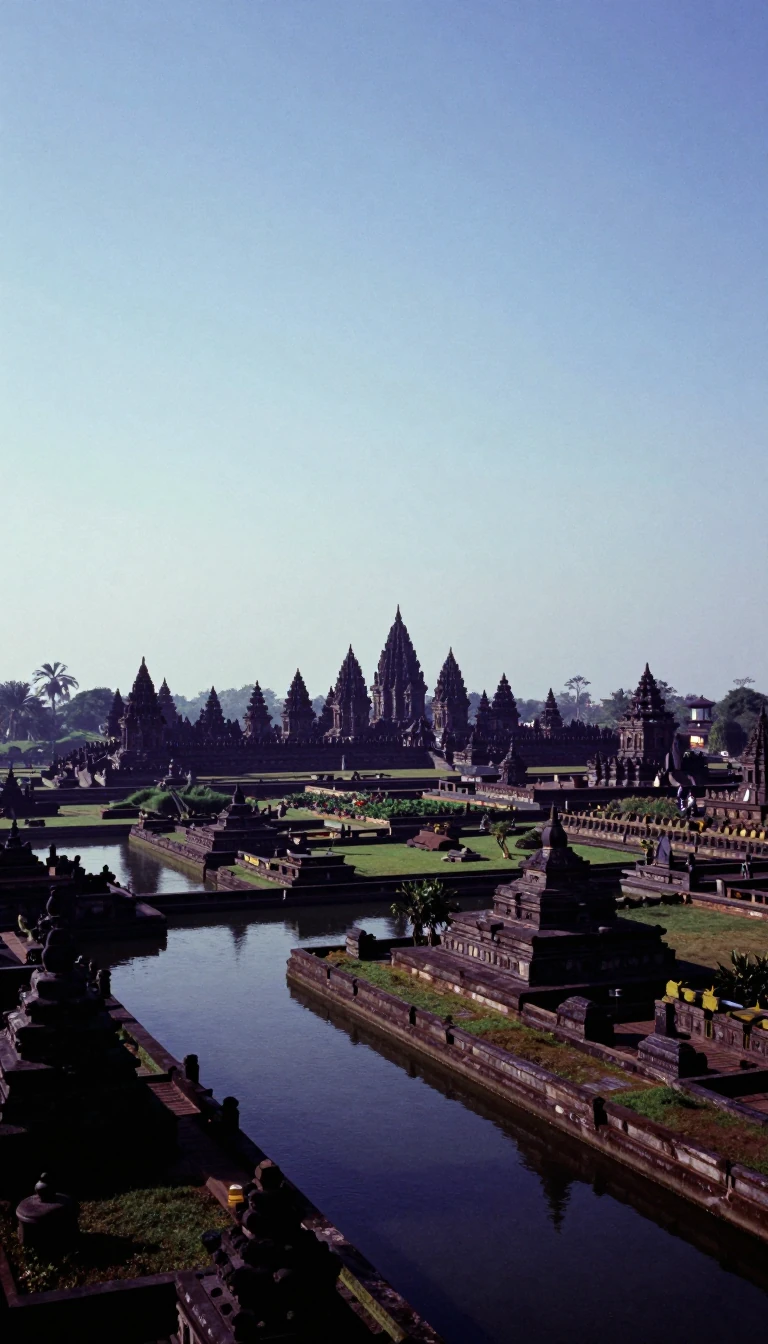
In short: In the arid canyons of New Mexico, the Ancestral Pueblo people engineered massive stone complexes that remained unmatched in scale for centuries. These architectural feats, built without modern tools, reveal a sophisticated society that thrived through climate shifts and complex social organization long before the arrival of Spanish colonial forces.
The Ancestral Pueblo culture, which flourished between AD 100 and 1600, transformed from nomadic hunter-gatherers into master builders. Their developmental history is categorized into six distinct periods, beginning with the Late Basketmaker II era. Initially, these groups relied on caves and shallow pithouses, but as agriculture—specifically the cultivation of corn, beans, and the domestication of turkeys—became central to their economy, their settlement patterns shifted. By the Pueblo I and II periods, they moved above ground, constructing large communities and intricate masonry structures.
The pinnacle of this architectural evolution occurred during the Pueblo III period. Builders created expansive, multi-story apartment-like complexes that featured up to 1,000 rooms. These structures were often built in a stepped-back design, utilizing the roofs of lower levels as terraces. Beyond mere housing, these sites served as hubs for community life, featuring kivas—underground circular chambers dedicated to ceremonial functions. The precision of these sites, including alignments with solar and lunar cycles, suggests a deep, generations-long commitment to astronomical observation and coordinated labor.
The decline of these central canyon communities remains a subject of intense study. By approximately AD 1300, the Ancestral Puebloans abandoned their homes, likely due to a convergence of environmental and social pressures. The Great Drought, lasting from 1276 to 1299, caused widespread crop failure, while increased conflict with neighboring groups further destabilized the region. Following this, the population migrated toward the Rio Grande valley and the White Mountains of Arizona. Today, the descendants of these people—including the Hopi, Zuni, Acoma, and Laguna tribes—maintain a spiritual connection to these ancestral lands, preserving the legacy of a civilization that mastered survival in a challenging landscape.
Opens the Intellect+ feed with this card first. Swipe up for the next one.
Sources
- Summary by Intellect · source: Chaco Culture National Historical Park | Ancestral Puebloans, Ruins, Archaeology | Britannica
- Also: Chaco Culture National Historical Park
To cite this card, link to https://intellectplus.co.uk/app/places-chaco-culture-national-historical-park.
How we source, check and correct cards: Editorial standards.
General information, not professional advice. Spotted an error? Flag the card or see corrections and complaints.
Intellect Plus is a visual educational discovery platform for exploring fascinating facts and ideas. Brain Food, Not Brain Rot. What is Intellect Plus?
Related
More in Historical cities, towns and archaeological sites · More in Countries & Cities · Latest · A–Z · All topics
