Is the future of sustainable architecture buried beneath our feet in ancient rammed earth?
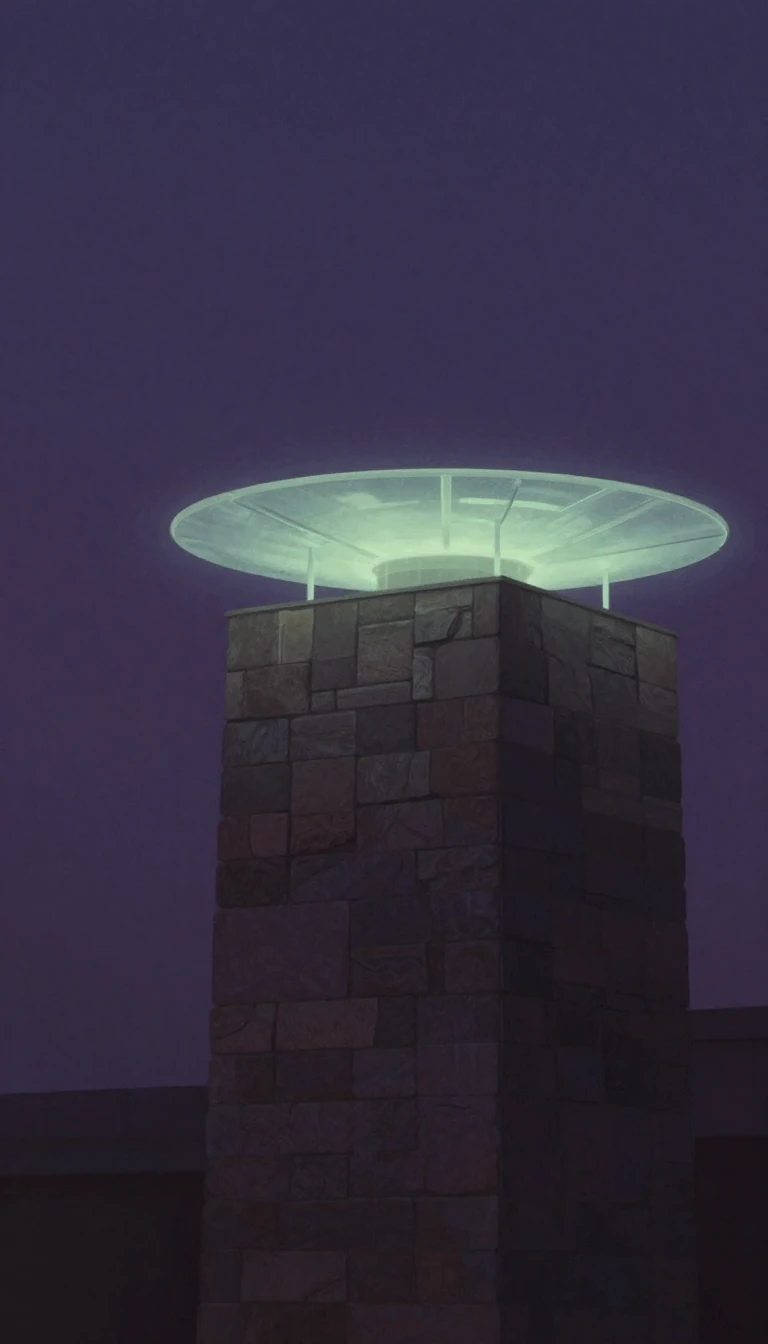
In short: Rammed earth, an ancient construction method using compacted soil, is seeing a modern resurgence. By compressing damp mixtures into formwork, builders create durable, fireproof, and thermally efficient structures. While often praised for its low environmental footprint, the addition of cement can complicate its sustainability credentials in contemporary building projects.
Rammed earth, or pisé, involves compacting a mixture of subsoil—containing sand, gravel, clay, and silt—into a temporary formwork. Historically, this was done manually with ramming poles, but modern systems often use pneumatic tampers. Because the material hardens rapidly, formwork can be removed almost immediately after the wall is complete, allowing for surface textures like carving or brushing. Once cured, these walls offer exceptional thermal mass, absorbing heat during the day and releasing it at night, which significantly moderates indoor temperatures.
The technique has deep historical roots, with evidence dating back to the 9th–7th millennium BC in the Fertile Crescent and 5000 BCE in China. In the United States, it gained traction in the 1800s via S. W. Johnson’s book, Rural Economy, leading to landmarks like the Borough House Plantation. By the 1920s and 1940s, institutions like South Dakota State College and Clemson Agricultural College researched its viability for low-income housing. In China, the 1960s saw a massive promotion of rammed earth as a low-cost, indigenous alternative to Soviet-style prefabricated materials.
Today, the material is valued for its sustainability, particularly when using locally sourced subsoil. However, modern builders often add cement to increase compressive strength, which can reach up to 40 megapascals in some Australian projects. This creates a paradox: cement production is carbon-intensive, and a 300 mm wall with 5% cement can produce more emissions than a 100 mm concrete wall. Furthermore, the lack of standardized building codes in many regions remains a significant barrier to wider adoption, as engineers and contractors often view the method as substandard compared to conventional materials.
Despite these hurdles, the technique is experiencing a revival in Europe and Australia, driven by interest in passive solar design and traditional craftsmanship. From the Nk'Mip Desert Cultural Centre in Canada to contemporary homes in Austria, architects are proving that with proper design and maintenance, rammed earth can endure for thousands of years while providing natural humidity regulation and soundproofing.
Opens the Intellect+ feed with this card first. Swipe up for the next one.
Sources
- Summary by Intellect · source: Rammed earth
To cite this card, link to https://intellectplus.co.uk/app/technology-rammed-earth.
How we source, check and correct cards: Editorial standards.
General information, not professional advice. Spotted an error? Flag the card or see corrections and complaints.
Intellect Plus is a visual educational discovery platform for exploring fascinating facts and ideas. Brain Food, Not Brain Rot. What is Intellect Plus?
Related
More in Infrastructure · More in Technology · Latest · A–Z · All topics
