From ancient clay to modern streets, the humble tile has shaped human civilization.
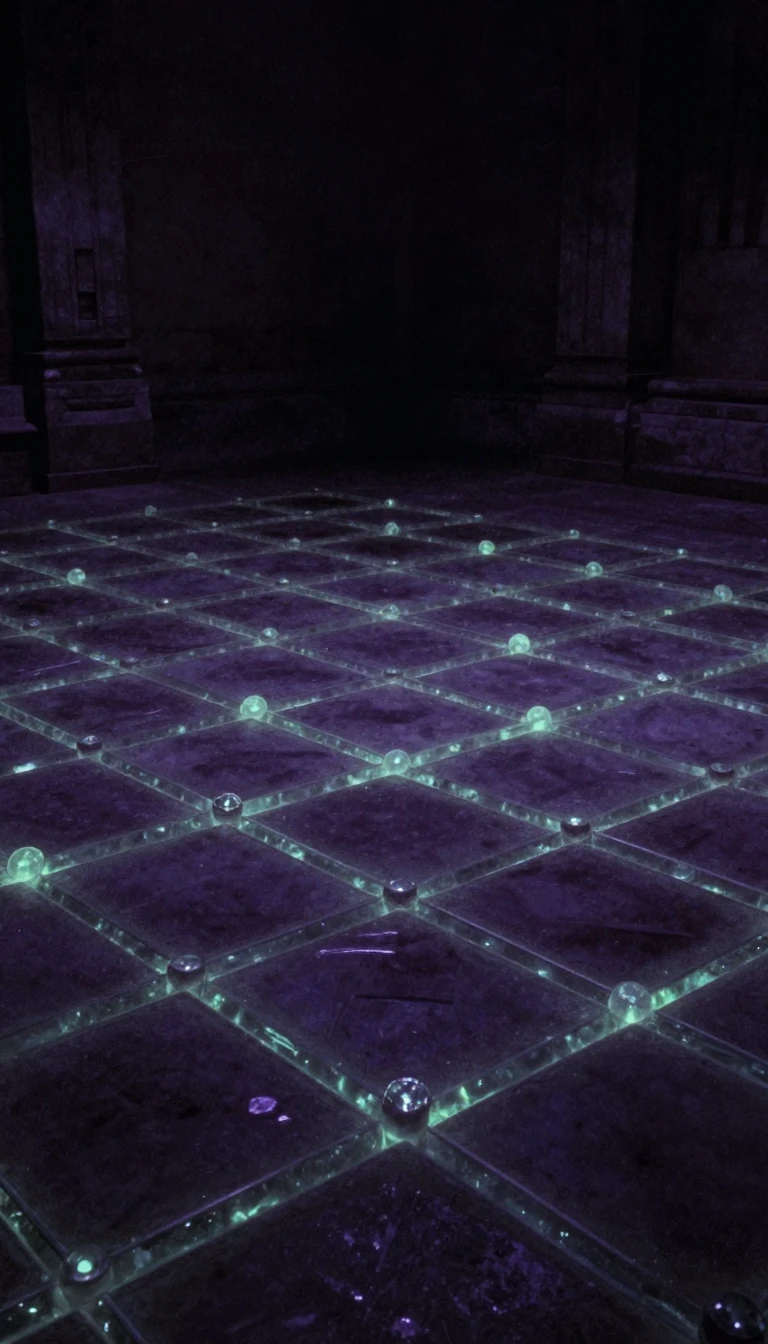
In short: Tiles are more than simple floor coverings; they are a sophisticated technology of protection and art. From the earliest fired bricks in Mesopotamia to the intricate geometric patterns of Islamic architecture and the mass-produced Victorian revival, tiles have evolved to define our public spaces, homes, and most enduring historical monuments.
The history of tiling is a testament to human ingenuity in material science. While the earliest surviving examples date back approximately 5,575 years to Ethiopia, the technology reached a pinnacle in Ancient Mesopotamia. Faced with a scarcity of stone, Mesopotamians developed kiln-fired bricks—an advanced pottery technique—to protect their most important structures. By heating clay to temperatures between 950 °C and 1,150 °C, they created durable, weather-resistant surfaces that would eventually evolve into the glazed brick masterpieces like the Ishtar Gate.
As tiling traditions spread, they became a canvas for cultural expression. The Islamic world, in particular, elevated tilework to a high art form. Techniques like the mo'araq mosaic and the cuerda seca method allowed for complex geometric and floral designs that adorned mosques from Iran to Spain. The 17th-century Shah Mosque in Isfahan remains a technological triumph, showcasing an aesthetic union of abstract ornament and precise engineering. These traditions influenced European styles, from the blue-and-white Delftware of Holland to the Gothic and Arts and Crafts revivals of the Victorian era, which brought machine-produced, hygienic tiling into the modern home.
Today, the utility of tiles remains unmatched. Whether it is the five million square meters of panot-tiled streets in Barcelona or the specialized slip-resistant stone used in modern wet areas, the material continues to adapt. While popular belief often credits glazes for weatherproofing, the true secret lies in the porosity of the clay body itself. Whether made of ceramic, stone, or composite materials, tiles represent a perfect marriage of form and function, balancing the need for structural durability with the human desire for beauty.
Opens the Intellect+ feed with this card first. Swipe up for the next one.
Sources
- Summary by Intellect · source: Tile
To cite this card, link to https://intellectplus.co.uk/app/technology-tile.
How we source, check and correct cards: Editorial standards.
General information, not professional advice. Spotted an error? Flag the card or see corrections and complaints.
Intellect Plus is a visual educational discovery platform for exploring fascinating facts and ideas. Brain Food, Not Brain Rot. What is Intellect Plus?
Related
More in Infrastructure · More in Technology · Latest · A–Z · All topics
