The chemist who gave us the burner but refused to patent his inventions
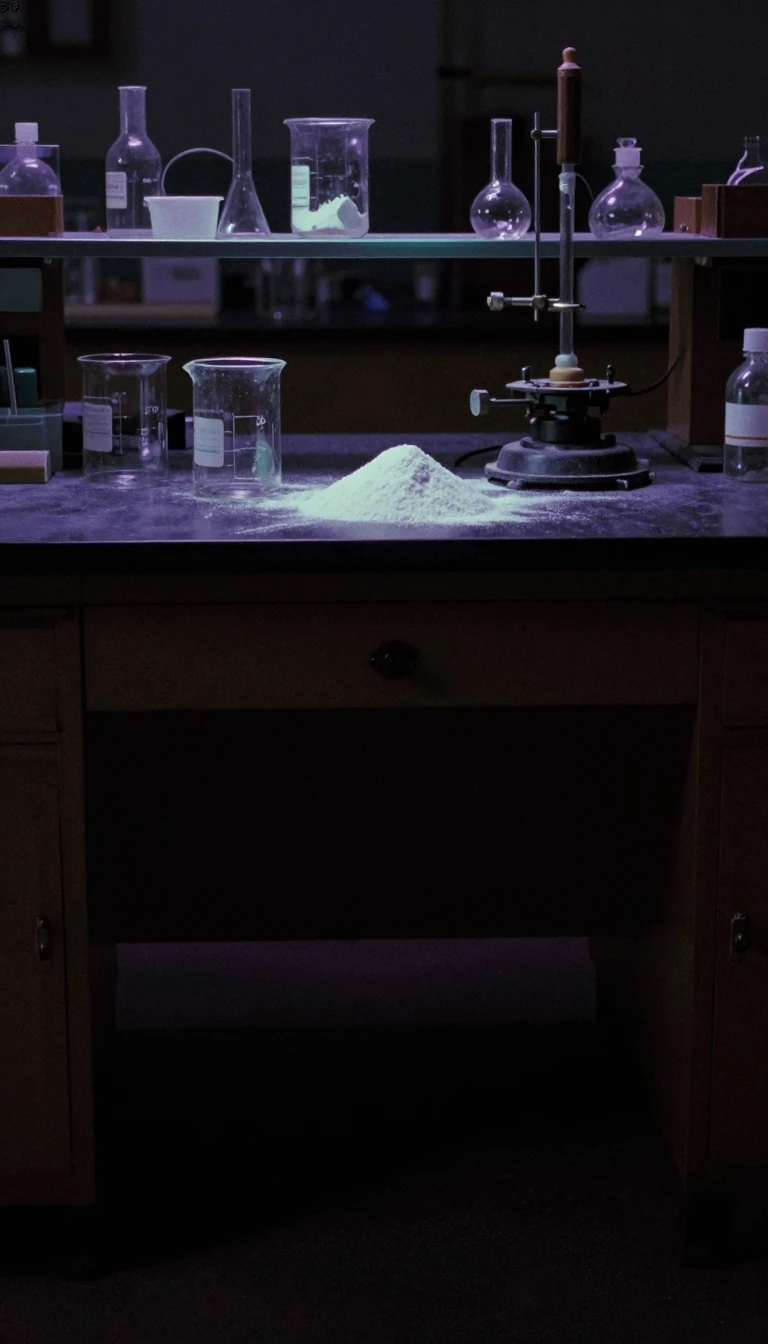
In short: Robert Bunsen is synonymous with the ubiquitous laboratory burner, yet he never patented it or any of his other discoveries. A brilliant experimentalist, he survived near-fatal arsenic poisoning and the loss of an eye to pioneer spectroscopy, discovering new elements and changing how we analyze the chemical world.
Born in 1811 in Göttingen, Germany, Robert Bunsen was a man of intense laboratory focus who famously avoided the caustic theoretical debates of his time. His career was marked by a series of dangerous experiments, particularly in organic arsenic chemistry. While investigating cacodyl derivatives, he nearly died from poisoning and suffered a permanent eye injury during an explosion. Despite these hazards, his work with arsenic led to the discovery of iron oxide hydrate as an effective antidote for poisoning, a contribution that remains relevant today.
Bunsen’s technical ingenuity was matched by his commitment to open science. In 1841, he developed a carbon-electrode battery as a cost-effective alternative to expensive platinum models. By 1855, working with his assistant Peter Desaga, he perfected the gas burner that now bears his name. The device provided a clean, hot flame essential for his later breakthroughs in spectrum analysis. Rather than seeking profit, Bunsen maintained a strict principle of never patenting his work, preferring to let his innovations serve the broader scientific community.
His most transformative period began in 1859 when he teamed up with physicist Gustav Kirchhoff. By refining the spectroscope, they identified the unique spectral signatures of elements. This method allowed Bunsen to discover caesium in 1860 and rubidium in 1861, the latter requiring the distillation of forty tons of mineral water to isolate a mere 17 grams. Their collaborative work earned them the inaugural Davy Medal in 1877. Even after retiring in 1889, Bunsen remained active in geology and mineralogy until his death in 1899 at age 88, leaving behind a legacy of rigorous, quiet discovery that fundamentally shaped modern chemistry.
Opens the Intellect+ feed with this card first. Swipe up for the next one.
Sources
- Summary by Intellect · source: Robert Bunsen
To cite this card, link to https://intellectplus.co.uk/app/technology-robert-bunsen.
How we source, check and correct cards: Editorial standards.
General information, not professional advice. Spotted an error? Flag the card or see corrections and complaints.
Intellect Plus is a visual educational discovery platform for exploring fascinating facts and ideas. Brain Food, Not Brain Rot. What is Intellect Plus?
Related
More in Chemistry · More in Science · Latest · A–Z · All topics
