A £20 million tomb sinking into the marshy ground of Windsor
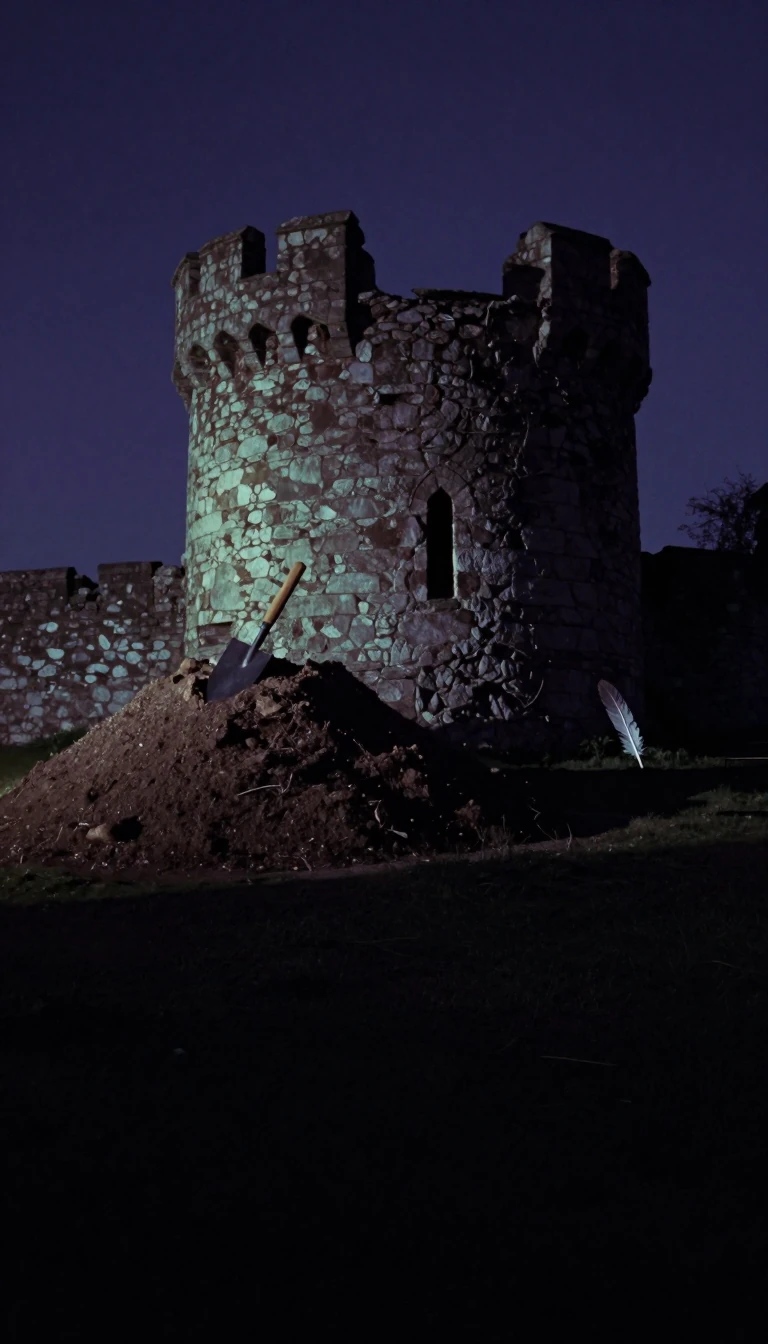
In short: Queen Victoria and Prince Albert chose a private final resting place over traditional royal chapels. But their masterpiece of Victorian funerary architecture faces a literal structural crisis. Built on waterlogged land, the mausoleum's foundations are disintegrating, threatening to swallow the very monuments intended to preserve their memory forever.
Constructed between 1862 and 1871, the Royal Mausoleum was a private commission funded entirely by Victoria and Edward, Prince of Wales, from their personal funds. Victoria selected the site on December 18, 1861, just four days after Prince Albert's death. The design, a Romanesque Greek cross with a 70-foot diameter, was intended to be a unique sanctuary separate from Westminster Abbey or St George's Chapel. Global riches adorn the inside, featuring Sienese marble, Portuguese red stone, and mosaics produced by Antonio Salviati, who volunteered to fix the work personally because his workers disliked the porch's restricted height.
The mausoleum's structural design proves just as daring as its aesthetic embellishments. The central sarcophagus was carved from a single block of granite from the Cairngail quarry in Aberdeenshire. This specific block was the fourth mined, as the first three were rejected for flaws. The raw stone weighed over 33 tonnes, though it was fashioned down to 18 tonnes for the sarcophagus. It rests on a base of black Belgian marble gifted by King Leopold II. However, the site's geography has proven a foe; the marshy nature of the land has left the foundations waterlogged, causing the lower elements of the building to disintegrate.
The building was closed to the public in 2007 due to these structural issues. While repairs began in June 2018—including the creation of a dry moat and a new roof to stop water ingress—the project has been a long-standing battle against nature. The mausoleum remains a testament to Victorian craftsmanship, featuring a roof of Australian copper and sculptures by William Theed, yet it serves as a poignant reminder of how even the most expensive monuments must eventually contend with the earth they occupy.
Opens the Intellect+ feed with this card first. Swipe up for the next one.
Sources
- Summary by Intellect · source: Royal Mausoleum, Frogmore
To cite this card, link to https://intellectplus.co.uk/app/technology-royal-mausoleum-frogmore.
How we source, check and correct cards: Editorial standards.
General information, not professional advice. Spotted an error? Flag the card or see corrections and complaints.
Intellect Plus is a visual educational discovery platform for exploring fascinating facts and ideas. Brain Food, Not Brain Rot. What is Intellect Plus?
Related
More in Inventions · More in Technology · Latest · A–Z · All topics
