How a single steam locomotive design defined 150 years of railway travel
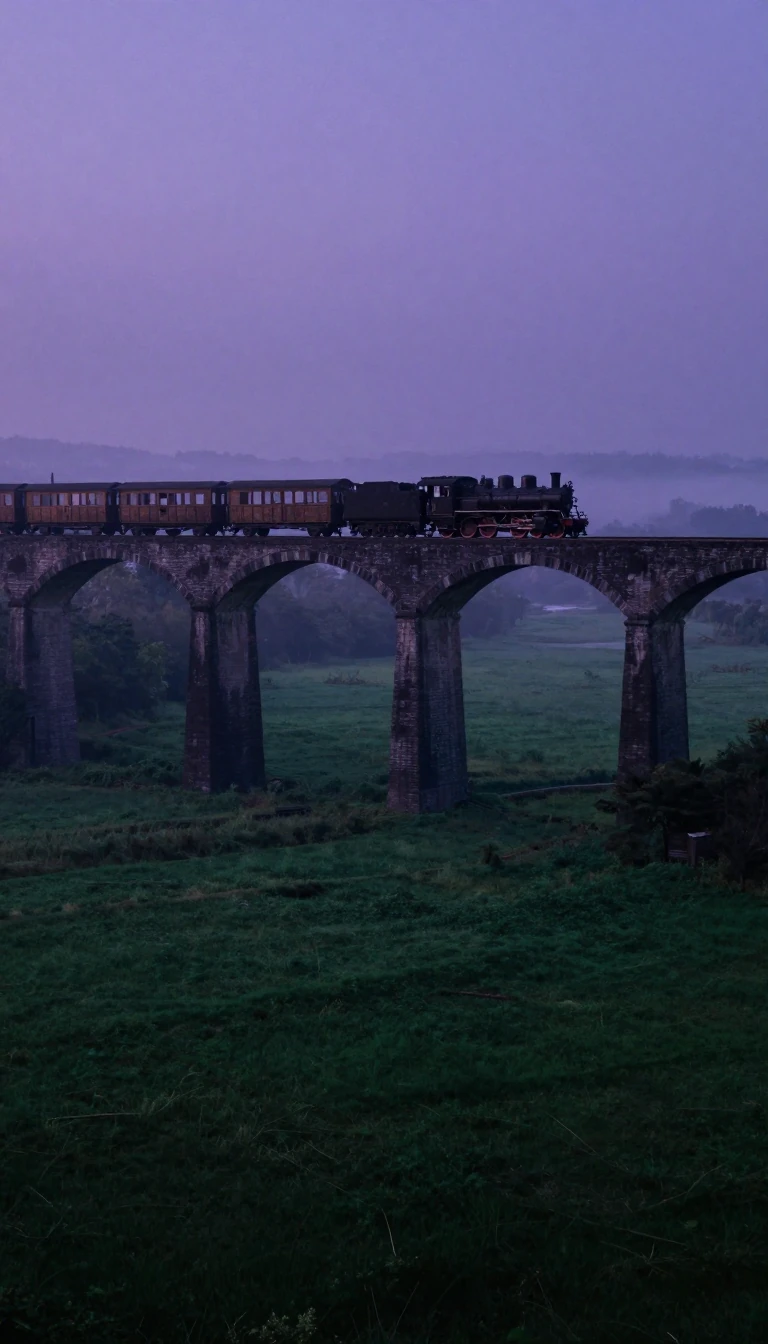
In short: Built to win a high-stakes speed trial in 1829, Stephenson's Rocket was not merely the fastest engine of its day. By integrating a multi-tubular boiler, a blastpipe, and a separate firebox, it established a technical template that dominated steam locomotive engineering for the next century and a half.
In October 1829, the Liverpool and Manchester Railway hosted the Rainhill Trials to determine if steam locomotives could reliably replace stationary engines. Robert Stephenson designed Rocket specifically for this contest, which imposed strict weight limits—four and a half tons for four-wheeled engines—and required hauling power three times the locomotive's own weight. Stephenson’s design, built at the Forth Street Works in Newcastle, proved superior by achieving speeds over 10 mph during the trials and demonstrating light engine running at approximately 30 mph.
Rocket’s success relied on a convergence of innovations. Its multi-tubular boiler, featuring 25 copper fire-tubes, significantly increased the surface area for heat transfer compared to earlier single-flue designs. This was paired with a blastpipe that induced a vacuum to pull air through the fire, and a separate, double-walled firebox that utilized radiant heat for greater efficiency. While the origins of the multi-tubular boiler remain debated—with Marc Seguin also experimenting with similar concepts—Rocket’s implementation was the most advanced, effectively solving the draught issues that plagued competitors like the Novelty.
Although Rocket was a landmark prototype, its design evolved rapidly. By 1830, newer models like Stephenson's Northumbrian and Planet had already begun to supersede it. The original Rocket underwent extensive modifications, including shifting its cylinders to a near-horizontal position and enlarging the firebox. These changes were so significant that by 1884, The Engineer magazine argued the 1829 original and the later, modified version were effectively different machines. Today, the preserved locomotive serves as a testament to this era of rapid mechanical development, having spent time in various museums, including the Science Museum in London and the National Railway Museum in York.
The legacy of Rocket extends beyond its mechanical components. It proved that steam power was viable for passenger transport, convincing skeptics and setting the standard for future locomotives. While its specific 0-2-2 wheel arrangement and angled cylinders were eventually refined, the core principles of its boiler and firebox design became the industry standard. Even after its retirement from active service in 1840, the engine's influence persisted through numerous replicas and its enduring status as the definitive archetype of the steam age.
Opens the Intellect+ feed with this card first. Swipe up for the next one.
Sources
- Summary by Intellect · source: Stephenson's Rocket
To cite this card, link to https://intellectplus.co.uk/app/technology-stephenson-s-rocket.
How we source, check and correct cards: Editorial standards.
General information, not professional advice. Spotted an error? Flag the card or see corrections and complaints.
Intellect Plus is a visual educational discovery platform for exploring fascinating facts and ideas. Brain Food, Not Brain Rot. What is Intellect Plus?
Related
More in Transportation · More in Technology · Latest · A–Z · All topics
