How a high-speed data bridge evolved from experimental light beams to universal connectivity
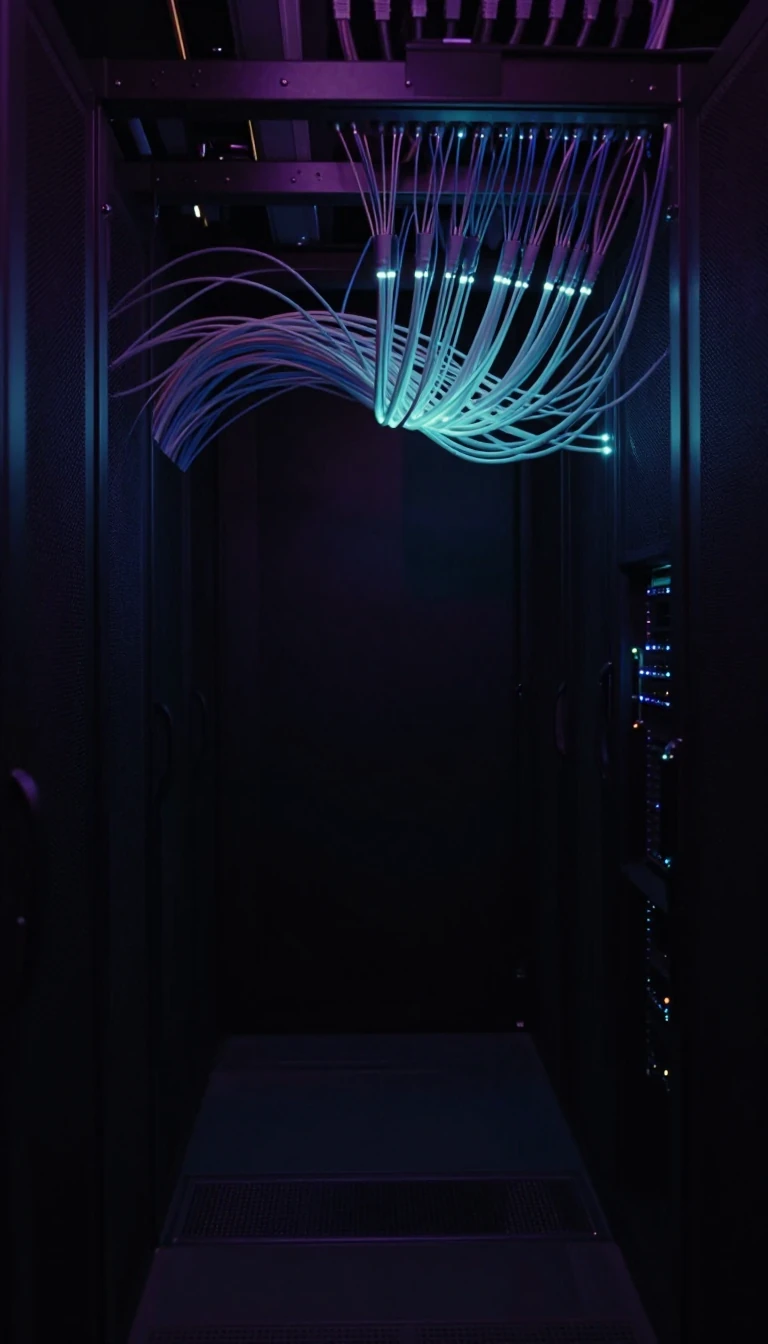
In short: Thunderbolt began as a vision for optical data transmission, but it found its true power in copper. By merging PCI Express and DisplayPort signals into a single, versatile cable, this Intel and Apple collaboration redefined how computers interact with external hardware, scaling from niche professional tools to modern industry standards.
Originally codenamed Light Peak, Thunderbolt was designed to push data through optical fibers. Intel first unveiled this concept in 2009, demonstrating the ability to stream high-definition video and manage peripheral data over long distances. However, engineers soon realized that standard copper wiring could achieve the required 10 Gbit/s per channel at a significantly lower cost. This pivot transformed the technology into a practical, mass-market interface that debuted on Apple’s MacBook Pro in 2011, utilizing the existing Mini DisplayPort connector to maintain physical compatibility.
The core mechanism of Thunderbolt relies on multiplexing. Controllers bundle individual data lanes from PCIe and DisplayPort devices into two high-speed duplex lanes for transmission, then separate them at the destination. This architecture allows a single port to support up to six daisy-chained peripherals. While early iterations focused on speed, later versions like Thunderbolt 2 introduced channel aggregation, allowing two 10 Gbit/s channels to combine into a single 20 Gbit/s stream, enabling the transfer and display of 4K video simultaneously.
With the introduction of Thunderbolt 3, the interface adopted the USB-C connector, marking a major shift toward universal adoption. This iteration doubled the bandwidth to 40 Gbit/s and introduced advanced power management, allowing ports to deliver or receive as much as 100 watts of electricity. This capability effectively removed the need for separate power bricks for many peripherals. The technology continues to evolve, with newer controllers like Titan Ridge enhancing robustness and adding support for modern standards like DisplayPort 1.4, ensuring that Thunderbolt remains a critical link between high-performance computing and external displays or storage.
Despite its complexity, the system remains remarkably flexible. It prioritizes video data to ensure smooth display performance, while dynamically allocating remaining bandwidth to general-purpose PCIe data. By supporting both legacy devices through adapters and cutting-edge hardware through high-speed controllers, Thunderbolt has successfully bridged the gap between specialized professional workstations and the everyday needs of modern laptop users, cementing its role as a cornerstone of contemporary peripheral connectivity.
Opens the Intellect+ feed with this card first. Swipe up for the next one.
Sources
- Summary by Intellect · source: Thunderbolt (interface)
To cite this card, link to https://intellectplus.co.uk/app/technology-thunderbolt-interface.
How we source, check and correct cards: Editorial standards.
General information, not professional advice. Spotted an error? Flag the card or see corrections and complaints.
Intellect Plus is a visual educational discovery platform for exploring fascinating facts and ideas. Brain Food, Not Brain Rot. What is Intellect Plus?
Related
More in Computing and information technology · More in Technology · Latest · A–Z · All topics
