How Islamic builders transformed Indian stone masonry into a unique architectural fusion
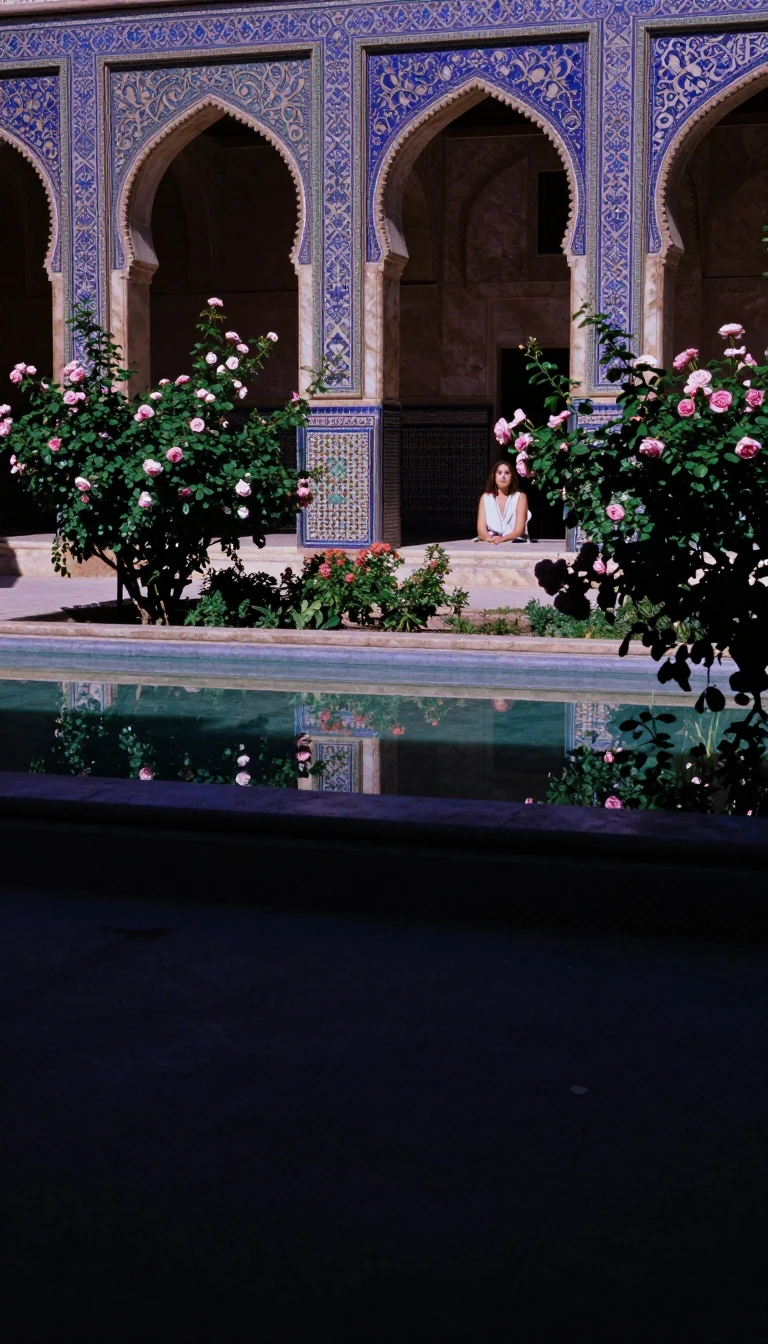
In short: Indo-Islamic architecture emerged when Central Asian dynasties arrived in India, blending their own structural traditions with the expertise of local stone masons. This synthesis created a distinct aesthetic, moving away from figurative temple sculpture toward grand domes, arches, and symmetrical layouts that eventually influenced buildings across the entire subcontinent.
The roots of this architectural style trace back to the late 12th century, specifically 1193, when the Ghurid dynasty established Delhi as their capital. As these rulers expanded their influence, they introduced West Asian forms—most notably mosques and tombs—that differed significantly from indigenous Indian styles. While the Islamic world traditionally favored brick construction, Indian builders were masters of high-quality stone masonry. Consequently, early projects like the Qutb Complex in Delhi utilized existing temple columns and corbelled arch techniques, marking a pragmatic adaptation of local skills to new, foreign design requirements.
By the 14th century, the technology evolved toward true domes and voussoir arches, exemplified by the 1311 Alai Darwaza gatehouse. Regional sultanates further diversified the landscape. In Bengal, builders adapted to the climate and material availability by using brick and incorporating curved rooflines reminiscent of village thatch houses. Meanwhile, in Gujarat, architects integrated intricate micro-architectural elements from earlier Maru-Gurjara traditions into their minarets and facades. The Bahmani Sultanate in the Deccan displayed strong Iranian influences, such as four-iwan plans and glazed tiles, while Kashmir saw a unique hybridization of Persianate aesthetics with local wooden pagoda structures.
The Mughal Empire, spanning from 1526 to 1857, represents the zenith of this architectural evolution. Mughal designers emphasized symmetry and grand scale, blending Central Asian, Persian, and Indian elements into iconic structures like the Taj Mahal and the Red Fort. This style eventually transcended religious boundaries; by the late 18th century, Hindu patrons and regional rulers were incorporating Mughal features into their own palaces and tombs. The legacy of this period remains deeply embedded in the modern built environment of India, Pakistan, and Bangladesh, continuing to shape both secular and religious architecture today.
Opens the Intellect+ feed with this card first. Swipe up for the next one.
Sources
- Summary by Intellect · source: Indo-Islamic architecture
To cite this card, link to https://intellectplus.co.uk/app/science-indo-islamic-architecture.
How we source, check and correct cards: Editorial standards.
General information, not professional advice. Spotted an error? Flag the card or see corrections and complaints.
Intellect Plus is a visual educational discovery platform for exploring fascinating facts and ideas. Brain Food, Not Brain Rot. What is Intellect Plus?
Related
More in Social scientists · More in Science · Latest · A–Z · All topics
