A medieval machine that mapped the universe before we knew its shape
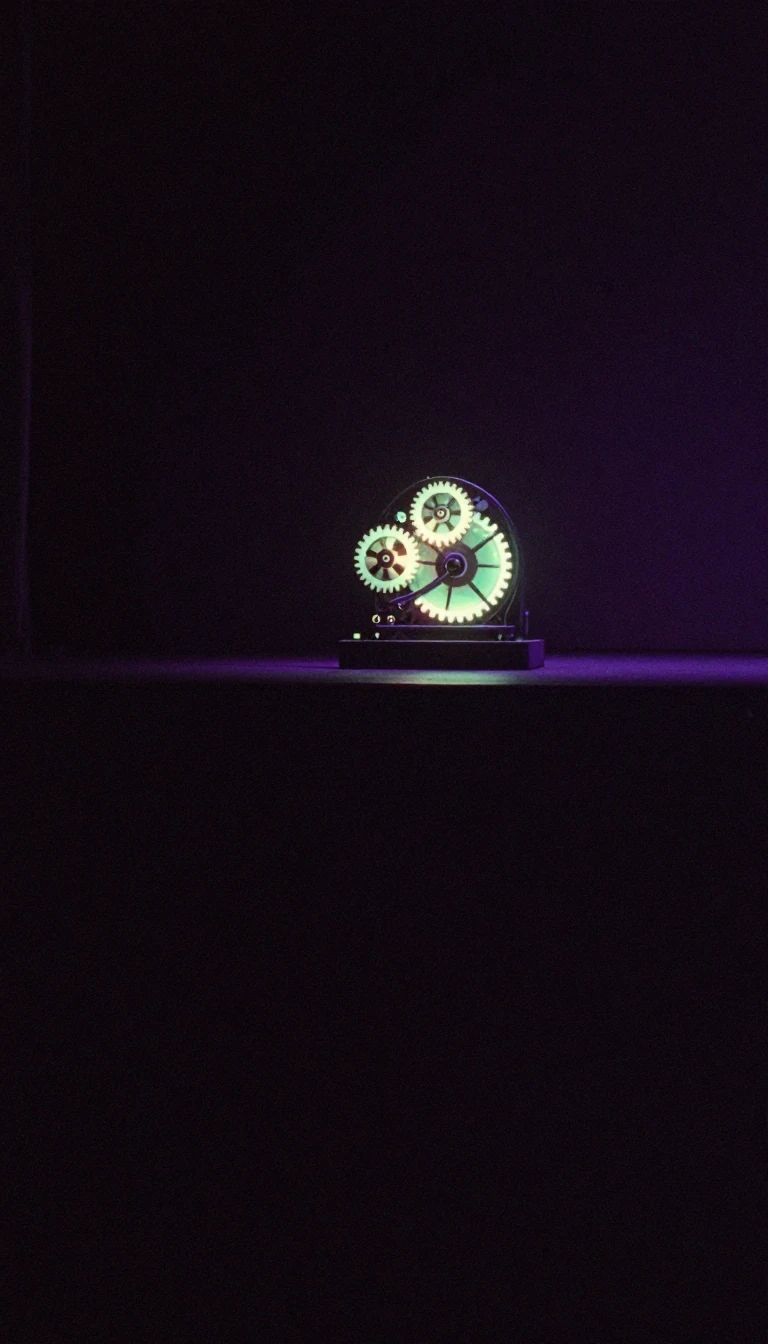
In short: The Wells Cathedral clock is more than a timekeeper; it is a mechanical philosophy. Built in the late 14th century, it depicts a geocentric cosmos where the Earth sits still while the heavens revolve around it—a sophisticated physical model of the pre-Copernican universe.
Located in the north transept of Wells Cathedral, the clock's interior dial serves as a celestial map. At its center sits a ball representing the Earth, surrounded by clouds and a background of stars. The Sun rotates once every 24 hours against Roman numerals, while the Moon follows a more complex path. To show the lunar phase, the mechanism uses two discs: a 'moon back plate' rotating every 24 hours and a 'moon plate' moving slightly slower to complete a cycle in approximately 24 hours and 49 minutes.
The engineering reflects a transition in medieval horology. While it shares many construction details with a clock at Salisbury Cathedral—possibly brought by Bishop Ralph Erghum when he moved in 1388—the Wells mechanism features specific improvements like a more reliable double lever striking system. Historical records suggest the clock may have been commissioned specifically for Wells after a monk named Peter Lightfoot built a similar 'great clock' for Glastonbury Abbey.
The clock also incorporates theatrical elements, including a figure known as Jack Blandifers who strikes bells and jousting knights that move every 15 minutes. Even its inscriptions are steeped in mystery; one phrase describes the dial as showing an "archetypal microcosm," though scholars debate whether this was a scribal error for "macrocosmum." Though it was converted to a pendulum system in the 17th century, the original mechanism survives today at the Science Museum.
For centuries, the clock required manual winding. However, the retirement of the long-time Keeper in 2010 marked a significant shift as the Cathedral planned to replace human labor with an electric motor, ending a centuries-old tradition of hand-winding.
Opens the Intellect+ feed with this card first. Swipe up for the next one.
Sources
- Summary by Intellect · source: Wells Cathedral clock
To cite this card, link to https://intellectplus.co.uk/app/technology-wells-cathedral-clock.
How we source, check and correct cards: Editorial standards.
General information, not professional advice. Spotted an error? Flag the card or see corrections and complaints.
Intellect Plus is a visual educational discovery platform for exploring fascinating facts and ideas. Brain Food, Not Brain Rot. What is Intellect Plus?
Related
More in Medieval clockmaking · More in Technology · Latest · A–Z · All topics
