How a 2026 Middle East conflict triggered the largest energy supply shock in history
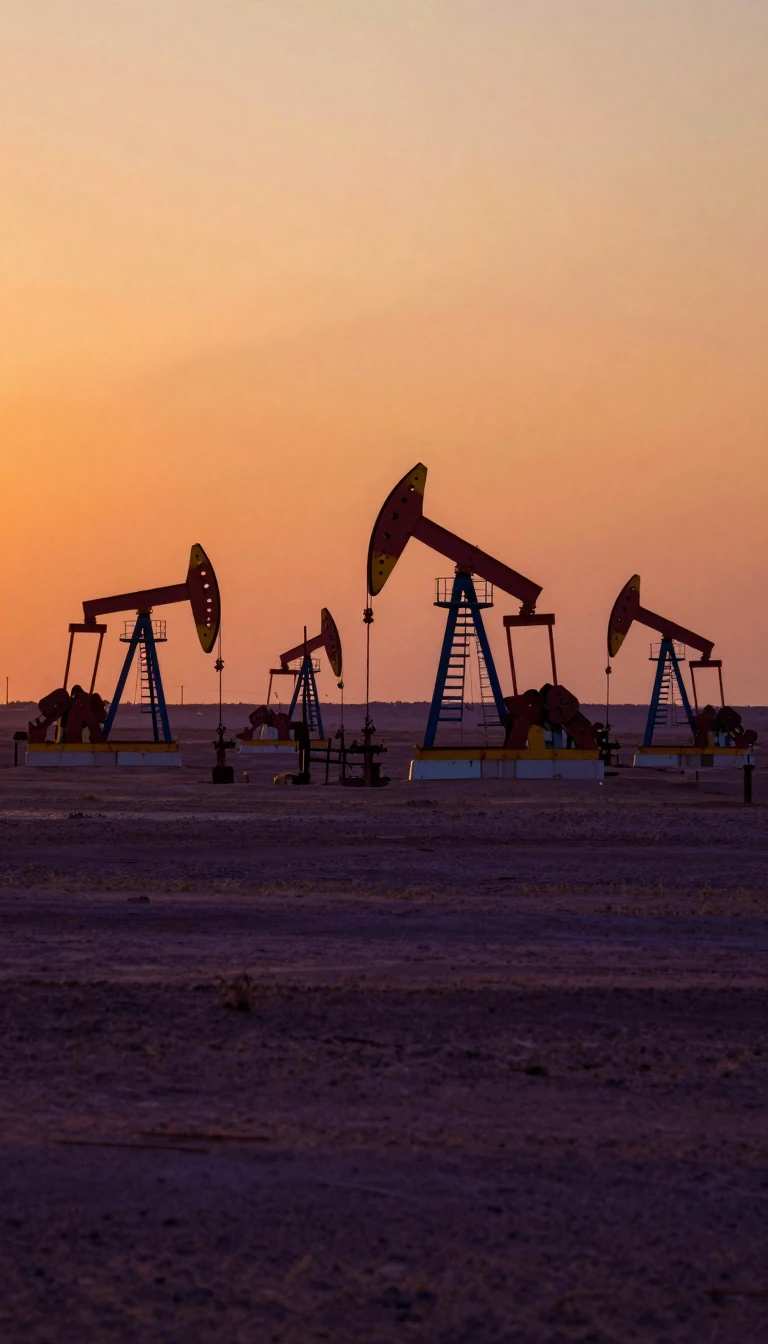
In short: When the Strait of Hormuz effectively closed during the 2026 war between Iran and a U.S.-Israel coalition, the global economy faced its most severe energy security crisis ever. With over 20% of the world's oil trade halted, nations scrambled to manage fuel shortages, soaring inflation, and the threat of global recession.
The conflict began on February 28, 2026, with a massive joint military operation by the United States and Israel. The initial strikes targeted Iranian military infrastructure and leadership, resulting in the death of Supreme Leader Ali Khamenei. Iran responded with extensive missile and drone barrages across the region, leading to a volatile standoff that centered on the Strait of Hormuz. This vital maritime chokepoint, which typically carries over 20% of global oil and significant liquefied natural gas (LNG) volumes, became the primary theater for economic warfare.
The resulting supply disruption was characterized by the International Energy Agency as the largest in history. Even after a temporary ceasefire in April, shipping traffic remained severely restricted. Iran further escalated the crisis in March by striking the Ras Laffan LNG complex in Qatar, which reduced the nation's production capacity by 17% and caused Asian LNG spot prices to surge by over 140%. Because the Gulf region accounts for the vast majority of oil and LNG exports to major Asian economies like China, India, and Japan, the shock hit these markets with particular intensity.
The global economic fallout was widespread. By mid-2026, countries faced rising inflation, currency volatility, and the necessity of emergency rationing. Nations like Ethiopia and Bangladesh struggled with severe fuel shortages, while even the United States saw petrol prices climb significantly. The crisis forced a fundamental shift in energy investment strategies, with the IEA noting an acceleration in efforts to diversify supply routes away from the Middle East. As of September 2026, markets remained unstable, with energy prices fluctuating wildly as traders reacted to ongoing attacks on shipping and the persistent threat of further escalation.
This crisis drew frequent comparisons to the energy shocks of the 1970s. Beyond fuel, the disruption impacted the global fertiliser trade, as a significant portion of the world's urea is produced from natural gas in the Gulf. This created a secondary crisis in food security, driving up the costs of essential crops like wheat and corn. The long-term economic consequences, including the risk of stagflation and the reshaping of global energy infrastructure, remain a defining challenge for the international community.
Opens the Intellect+ feed with this card first. Swipe up for the next one.
Sources
- Summary by Intellect · source: 2026 Iran war fuel crisis
- Also: 2026 Iran war | Oil, Explained, United States, Israel, Strait of Hormuz, Map, & Conflict | Britannica
To cite this card, link to https://intellectplus.co.uk/app/wars-2026-iran-war-fuel-crisis.
How we source, check and correct cards: Editorial standards.
General information, not professional advice. Spotted an error? Flag the card or see corrections and complaints.
Intellect Plus is a visual educational discovery platform for exploring fascinating facts and ideas. Brain Food, Not Brain Rot. What is Intellect Plus?
Related
More in Wars since 1945 · More in Wars & Conflicts · Latest · A–Z · All topics
