How a 2026 maritime standoff turned the Strait of Hormuz into a global energy bottleneck
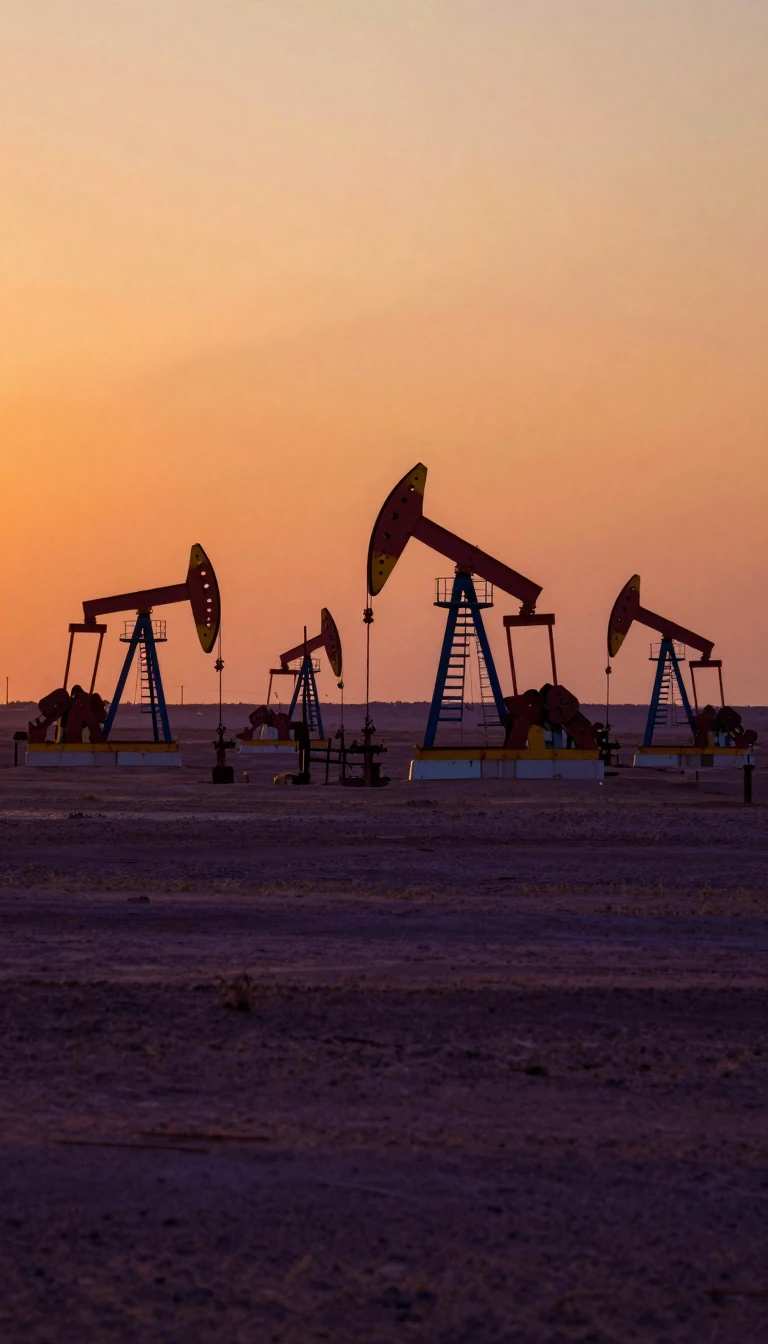
In short: In early 2026, a massive military escalation between the United States, Israel, and Iran effectively paralyzed one of the world's most critical energy arteries. As tankers vanished from the Strait of Hormuz, global markets reeled from the largest energy supply disruption seen since the 1970s, sparking a dangerous game of blockades.
The crisis ignited on 28 February 2026, when American and Israeli forces initiated a coordinated aerial campaign against Iranian nuclear and military infrastructure. Iran immediately retaliated by declaring the Strait of Hormuz—a narrow 34-kilometer passage responsible for roughly 20% of global seaborne oil trade—a closed zone. The Iranian Revolutionary Guard Corps (IRGC) utilized a multi-layered strategy to enforce this, deploying swarms of speedboats, drones, missiles, and sea mines to deter commercial traffic. By early March, the number of tankers navigating the strait had plummeted toward zero, driving Brent crude prices to a peak of US$126 per barrel.
The conflict evolved into a complex 'dual blockade.' While Iran restricted the Gulf, the U.S. Navy simultaneously blockaded Iranian ports. The situation remained volatile throughout the spring and summer, punctuated by failed diplomatic efforts like the Islamabad Talks and the short-lived memorandum of understanding signed on 17 June. Despite temporary lulls, the waterway remained a theater of kinetic warfare. Vessels were frequently targeted by projectiles and drone strikes, leading to significant loss of life among merchant crews and the destruction of multiple ships. The U.S. responded with retaliatory strikes on Iranian coastal radar, missile batteries, and minelaying vessels, including a major operation to clear mines from the Traffic Separation Scheme.
The disruption extended far beyond oil, impacting global supplies of fertilizer, ammonia, and helium. By mid-July, the intensity of attacks on tankers—including LNG carriers—forced the U.S. and Iran into a cycle of escalation and temporary truces. The crisis highlighted the extreme vulnerability of global energy logistics to localized conflict. Even after the U.S. Navy attempted to widen transit routes near Oman in late June, the persistent threat of underwater mines and IRGC aggression ensured that the strait remained a high-risk zone, fundamentally altering the calculus for international shipping and energy security for the remainder of the year.
Opens the Intellect+ feed with this card first. Swipe up for the next one.
Sources
- Summary by Intellect · source: 2026 Strait of Hormuz crisis
To cite this card, link to https://intellectplus.co.uk/app/wars-2026-strait-of-hormuz-crisis.
How we source, check and correct cards: Editorial standards.
General information, not professional advice. Spotted an error? Flag the card or see corrections and complaints.
Intellect Plus is a visual educational discovery platform for exploring fascinating facts and ideas. Brain Food, Not Brain Rot. What is Intellect Plus?
Related
More in Wars since 1945 · More in Wars & Conflicts · Latest · A–Z · All topics
