Airborne forces were once envisioned as a way to rain ten thousand men from clouds.
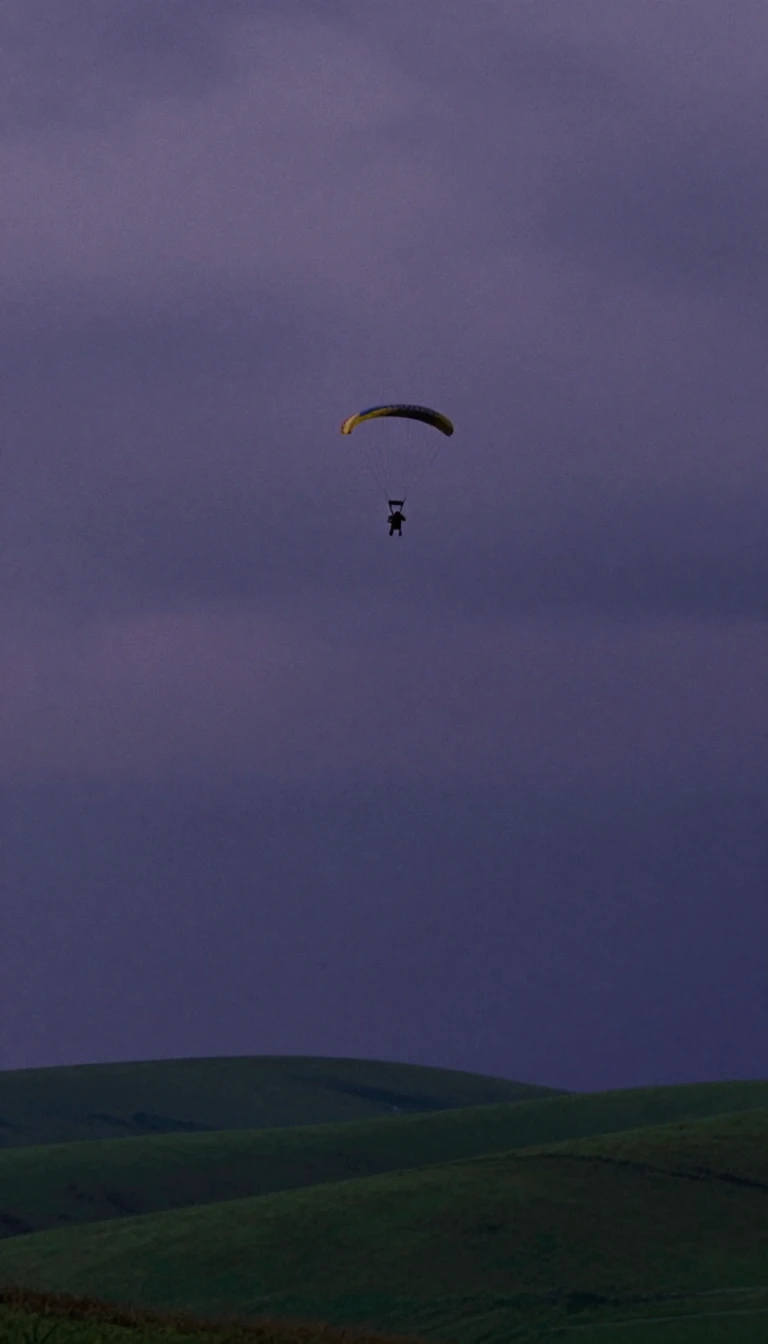
In short: Long before paratroopers jumped into World War II, Benjamin Franklin predicted that thousands of balloon-borne soldiers could descend behind enemy lines to cause infinite mischief. While the technology evolved from hot air balloons to transport aircraft, the dream of vertical envelopment remains a cornerstone of rapid military response today.
The concept of airborne warfare emerged from early twentieth-century military theory. In 1917, Winston Churchill proposed using airborne forces to strike behind German lines, and by 1918, American commanders like Billy Mitchell were planning parachute drops near Metz. While the First World War ended before these plans materialized, the interwar period saw rapid experimentation. Italy conducted the first true paratroop drop in 1927, and by 1935, the Soviet Union was demonstrating corps-sized drops to foreign observers, including British attaché Archibald Wavell.
Nazi Germany proved to be the most eager student of these developments. Under General Kurt Student, the Fallschirmjäger were organized and utilized in daring operations, such as the 1940 glider assault on the Belgian fortress of Eben Emael and the invasion of the Netherlands. However, the 1941 Battle of Crete became a turning point. Although the Germans successfully pushed Commonwealth forces off the island, the high casualty rate led Adolf Hitler to forbid future large-scale airborne operations, believing the element of surprise had been lost.
Conversely, the Allies were galvanized by the potential of airborne units. The British established the No. 1 Parachute Training School at RAF Ringway, which trained 60,000 paratroopers during the war. By 1944, the Allies had organized massive formations, including the U.S. XVIII Airborne Corps and the British 1st Airborne Corps. These units played critical roles in operations across North Africa, Italy, and France. While modern technology like helicopters and tiltrotors has shifted the preference toward air assaults, the ability to deploy troops via parachute remains a vital rapid-response capability for missions worldwide.
Opens the Intellect+ feed with this card first. Swipe up for the next one.
Sources
- Summary by Intellect · source: Airborne forces
To cite this card, link to https://intellectplus.co.uk/app/wars-airborne-forces.
How we source, check and correct cards: Editorial standards.
General information, not professional advice. Spotted an error? Flag the card or see corrections and complaints.
Intellect Plus is a visual educational discovery platform for exploring fascinating facts and ideas. Brain Food, Not Brain Rot. What is Intellect Plus?
Related
More in War and military · More in Wars & Conflicts · Latest · A–Z · All topics
