The Ancient Agora of Athens was a bustling hub of commerce, law, and art.
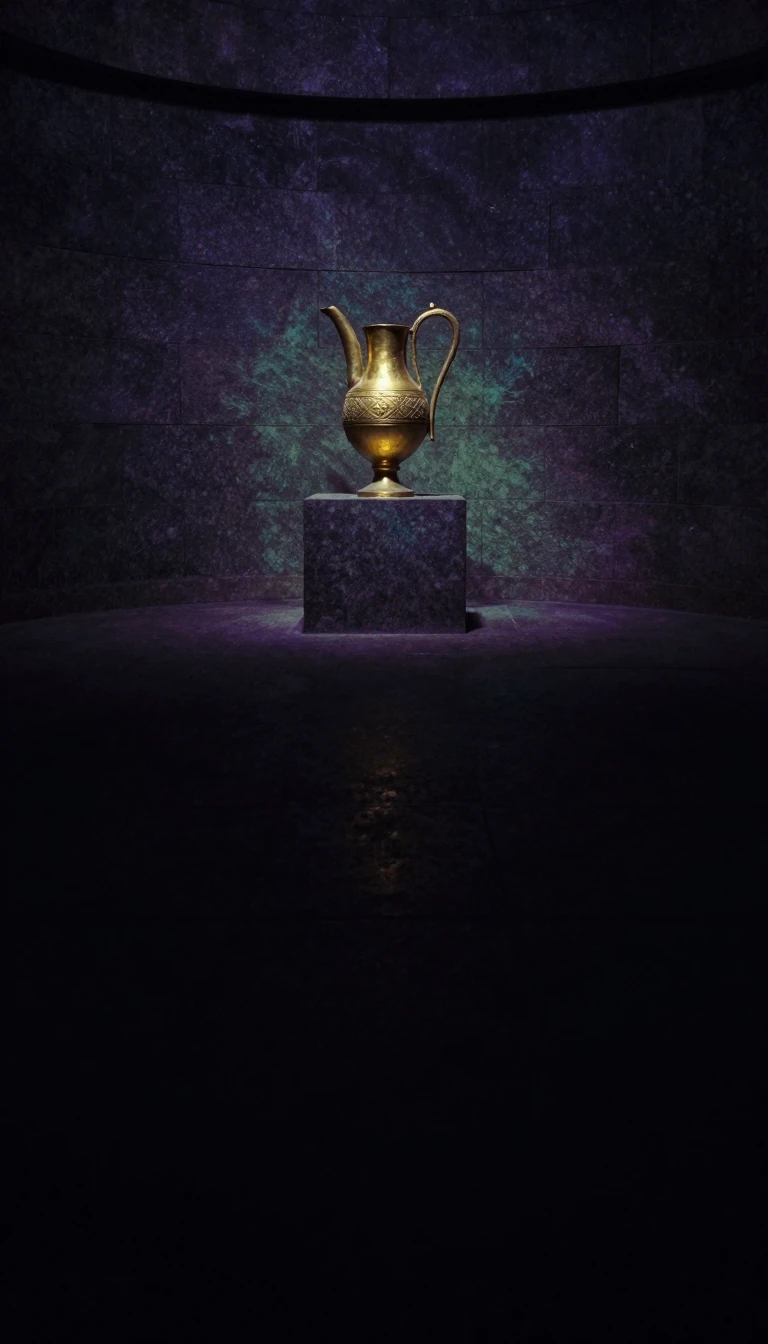
In short: Beyond its role as a commercial center, the Athenian Agora served as a vibrant social stage where women participated in religious life and master sculptors like Phidias crafted iconic works. Today, this site stands as a testament to centuries of history, from its classical origins to modern archaeological discovery.
The Ancient Agora of Athens, situated northwest of the Acropolis, functioned as the city's primary gathering place for commerce, assembly, and social life. It was a dense landscape of specialized structures, including the Stoa Poikile for socializing, the Mint for bronze coinage, and the Bema, which served as a platform for speakers. The site also hosted significant religious and civic monuments, such as the Monument of the Eponymous Heroes, which functioned as a public notice board for legislation and military conscription.
The Agora was also a major center for artistic production. Starting in the 5th century B.C., marble-workers established workshops in the area, creating everything from kitchen utensils to colossal statues. Famous masters like Phidias and his associate Alcamenes, as well as 4th-century sculptors like Praxiteles, left their mark on the site. These artisans were so integral to the Agora that even after the Roman general Sulla sacked Athens in 86 B.C., leaving the South Square in ruins, marble-workers repurposed the debris of ruined temples to continue their craft.
Modern understanding of the Agora is largely the result of extensive excavations led by the American School of Classical Studies at Athens (ASCSA) beginning in 1931. Funded by John D. Rockefeller Jr., this massive project cleared thousands of tons of earth to reveal the city's ancient layout. By the 1935 season, researchers had already cataloged nearly 600 sculptures, over 6,000 pieces of pottery, and more than 41,000 coins. These efforts, which continued until the onset of the Second World War in 1940, transformed the neighborhood of Vrysaki into a globally significant archaeological site, preserving the remnants of Athenian culture for future generations.
Opens the Intellect+ feed with this card first. Swipe up for the next one.
Sources
- Summary by Intellect · source: Ancient Agora of Athens
To cite this card, link to https://intellectplus.co.uk/app/wars-ancient-agora-of-athens.
How we source, check and correct cards: Editorial standards.
General information, not professional advice. Spotted an error? Flag the card or see corrections and complaints.
Intellect Plus is a visual educational discovery platform for exploring fascinating facts and ideas. Brain Food, Not Brain Rot. What is Intellect Plus?
Related
More in Ancient & biblical wars · More in Wars & Conflicts · Latest · A–Z · All topics
